Oculoplastic Surgery

Blepharoplasty Tunbridge Wells
Expert Blepharoplasty Near Tunbridge Wells with Natural, Long-Lasting Results
- ✔Reduce under-eye bags, excess skin and wrinkles
- ✔Natural-looking, long-lasting rejuvenation for brighter, more youthful eyes
- ✔Improve vision where drooping eyelids affect sight
- ✔Consultant-led care from our renowned blepharoplasty surgeons
- ✔Advanced techniques in a premium clinical setting

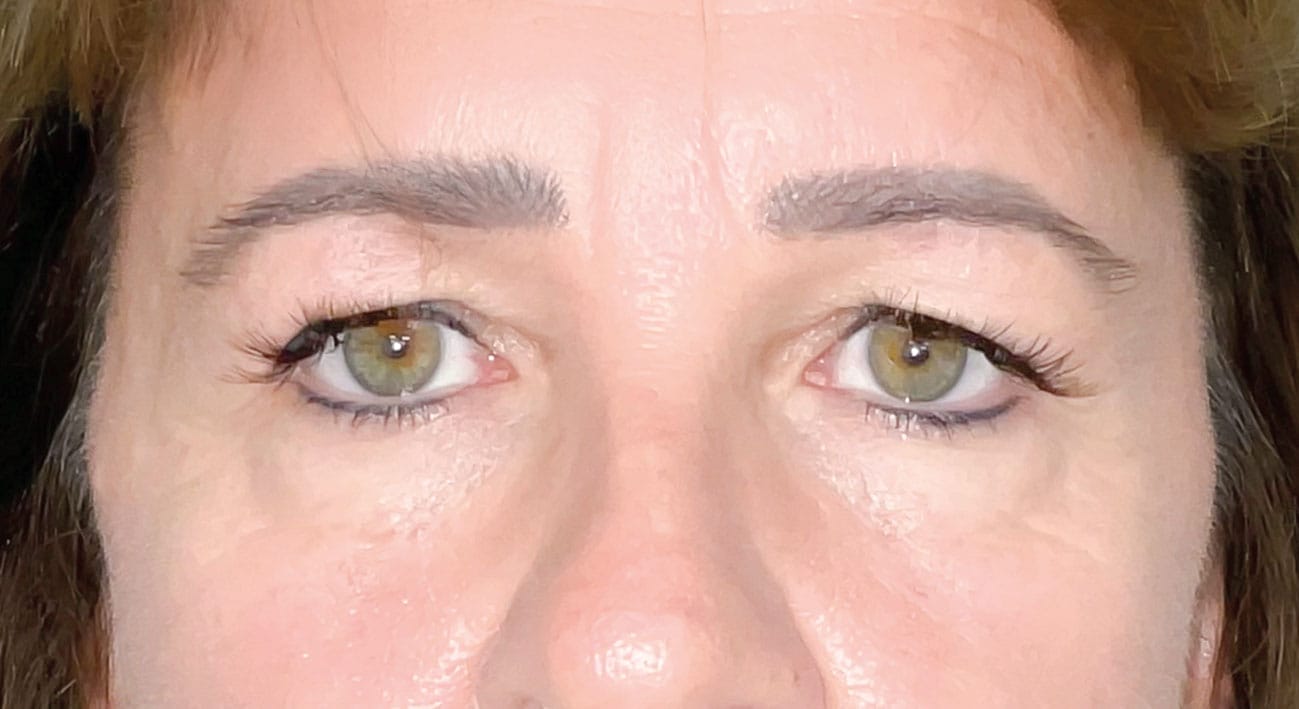
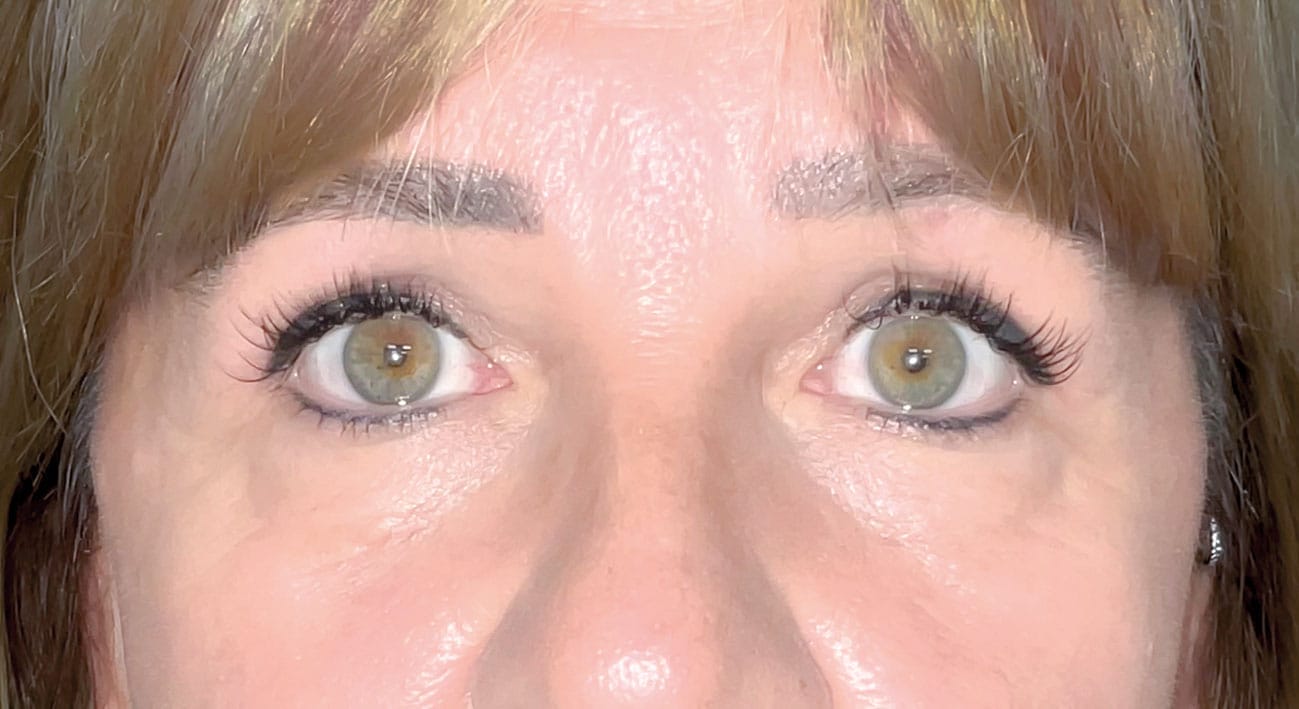
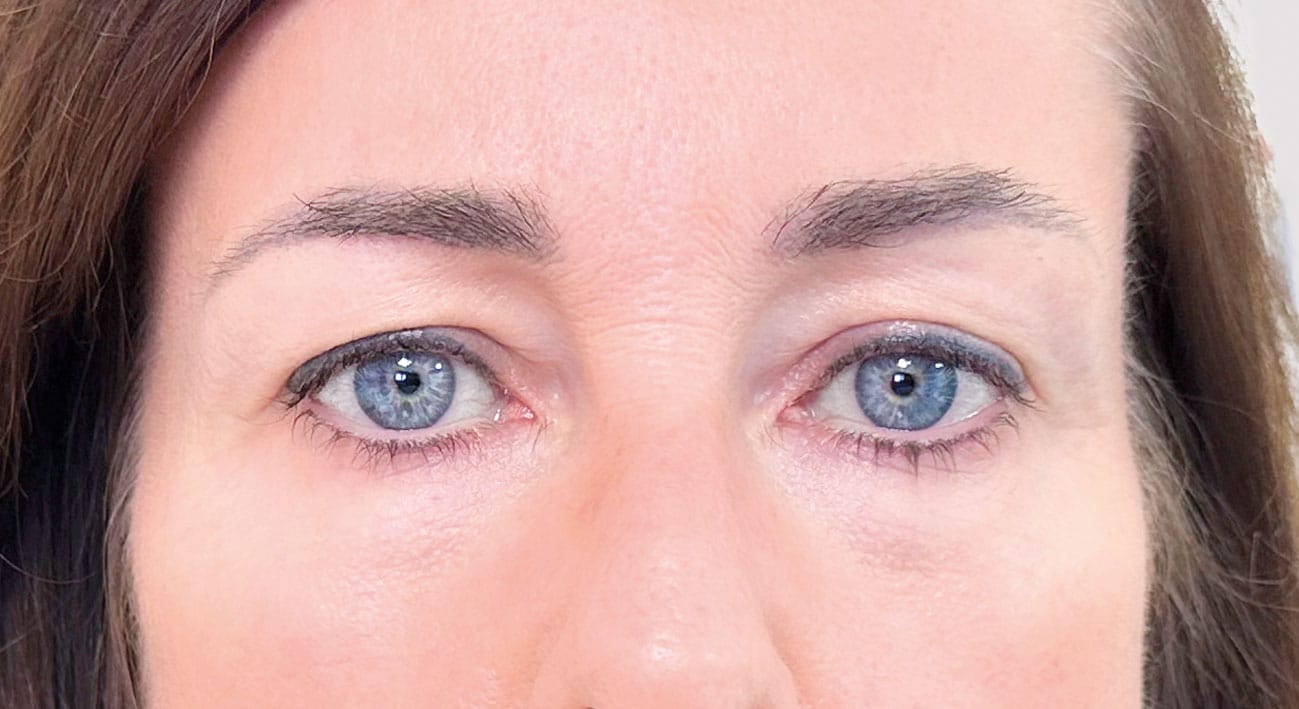
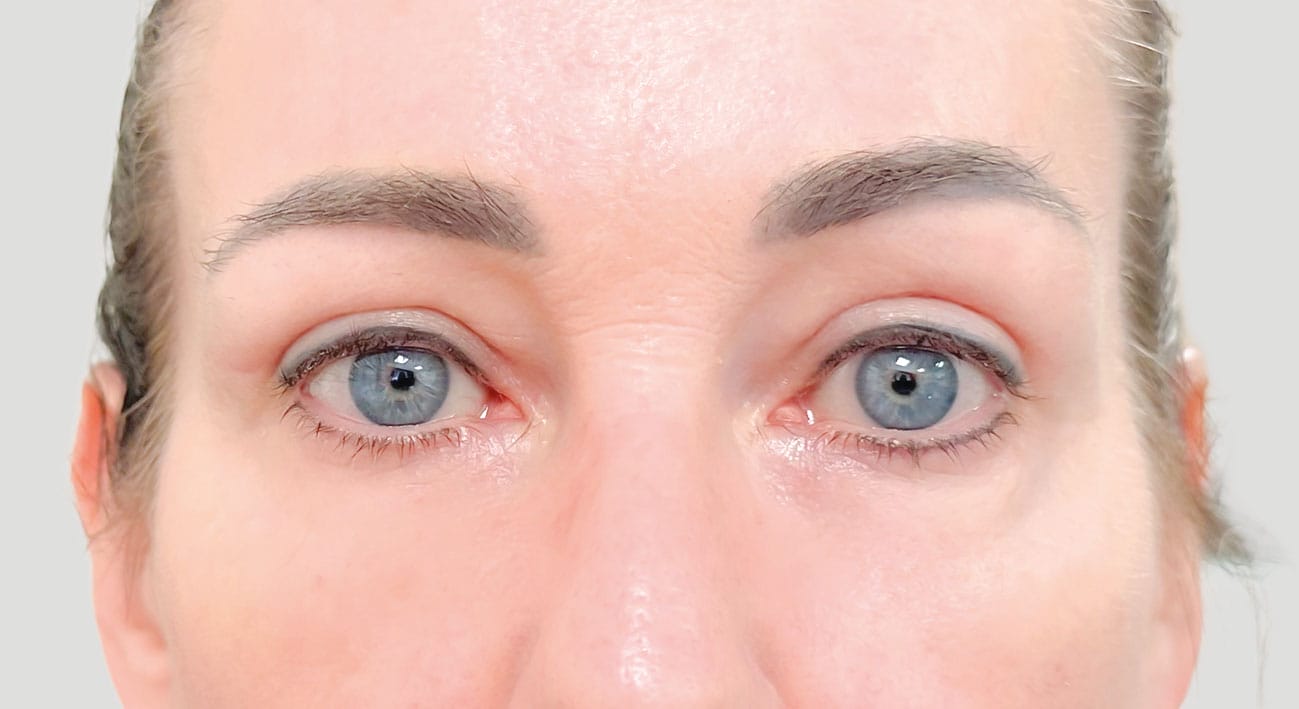
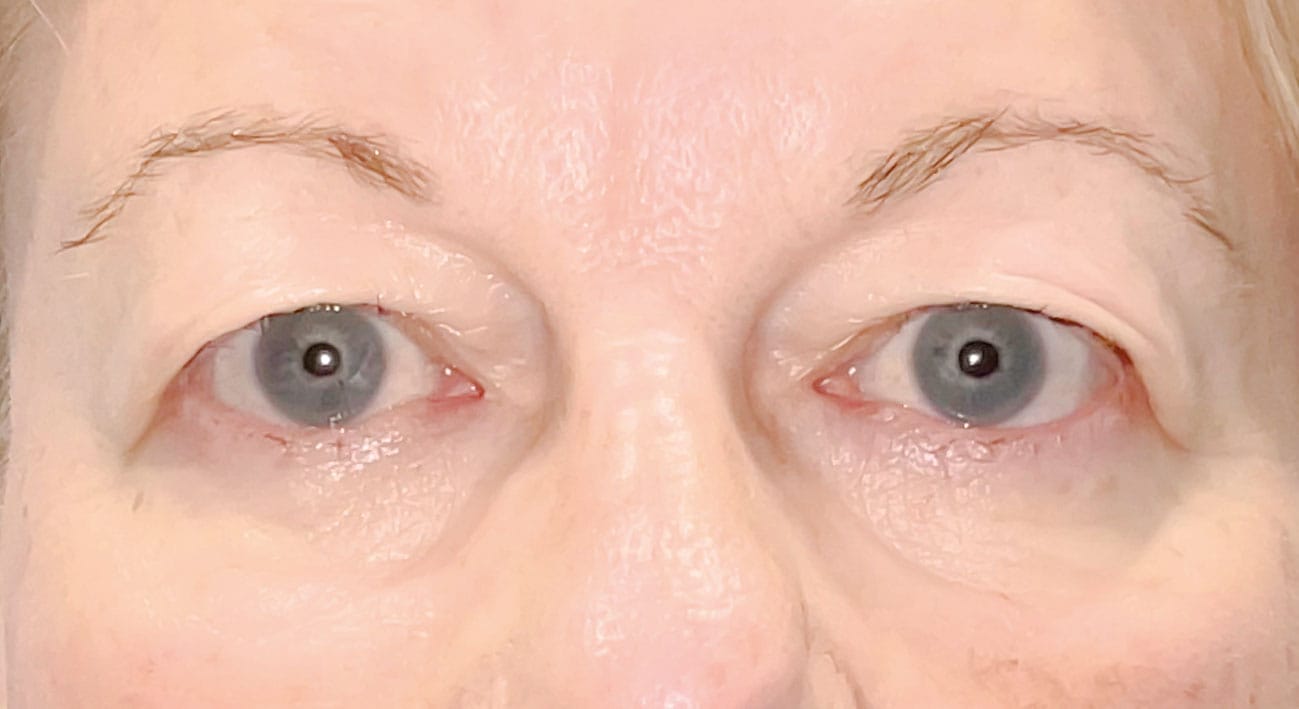
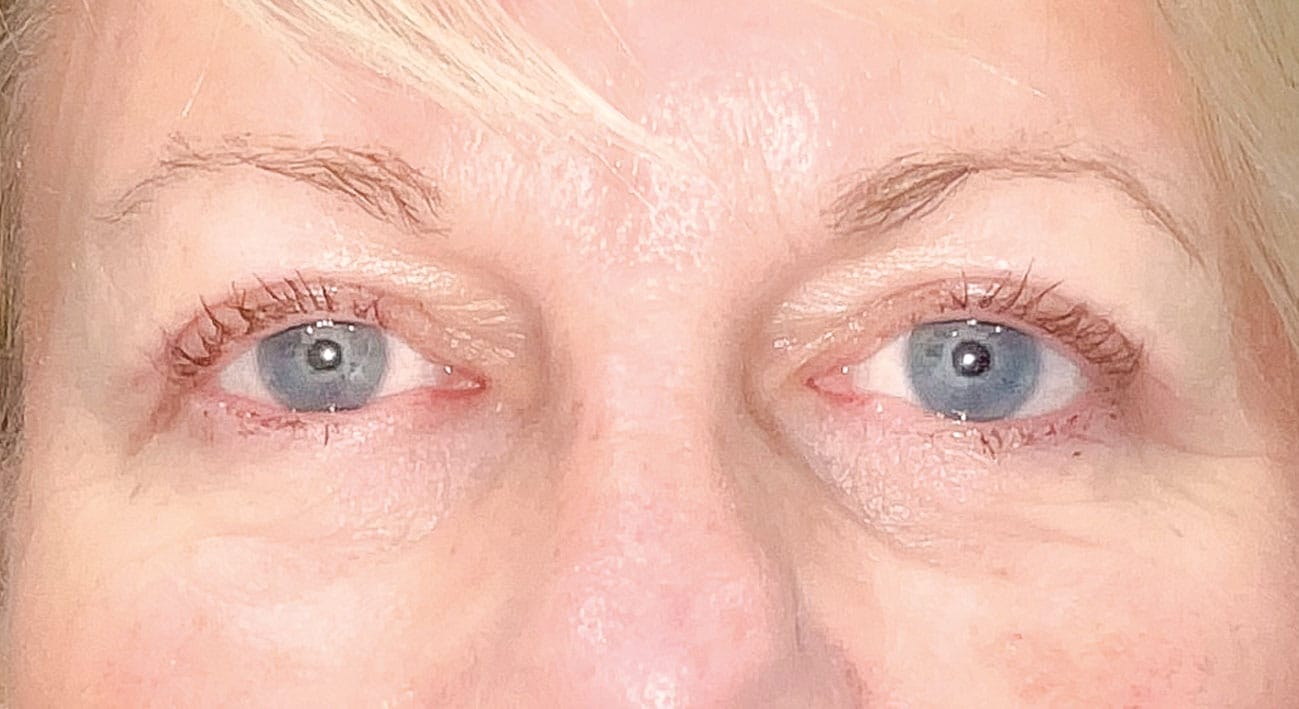
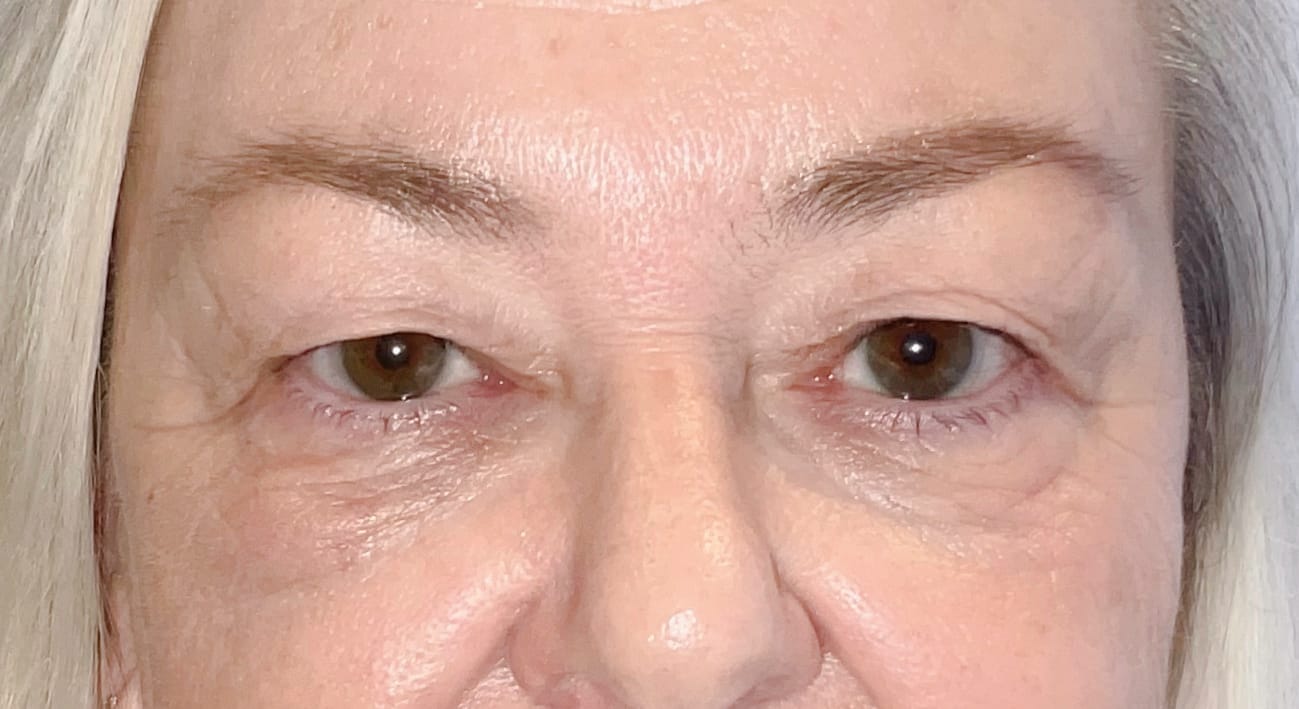
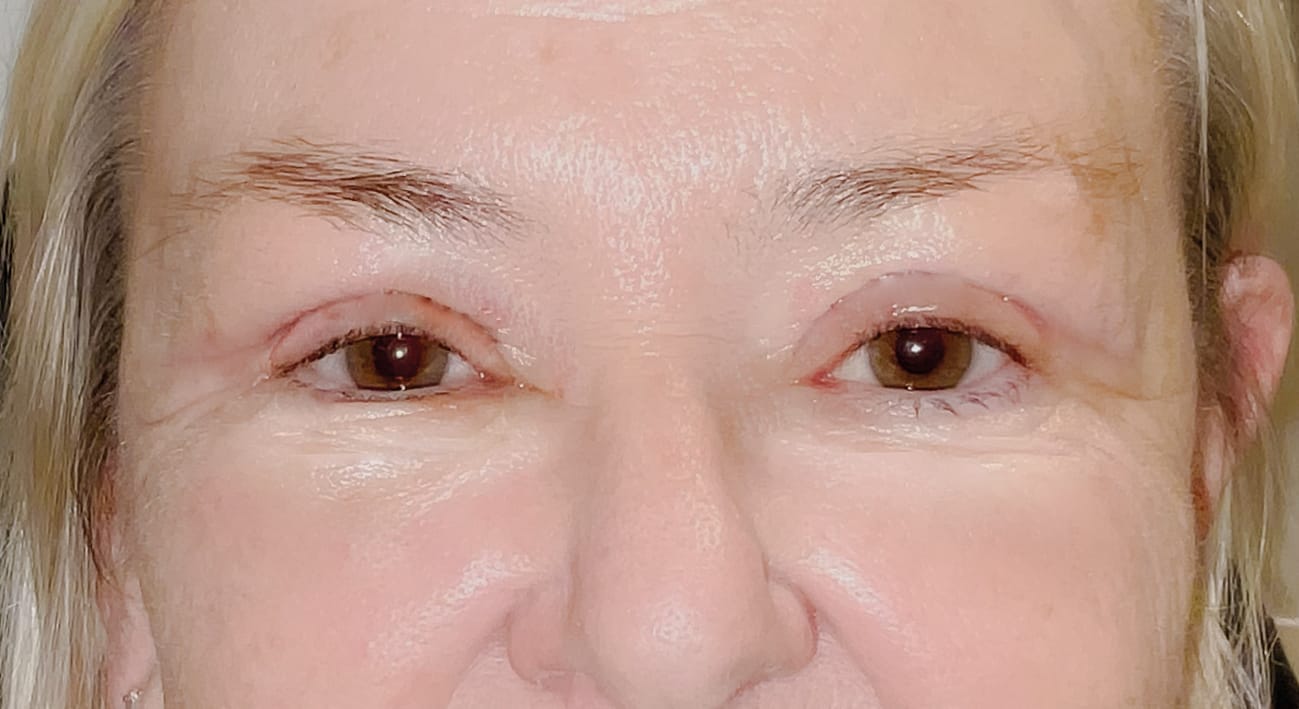
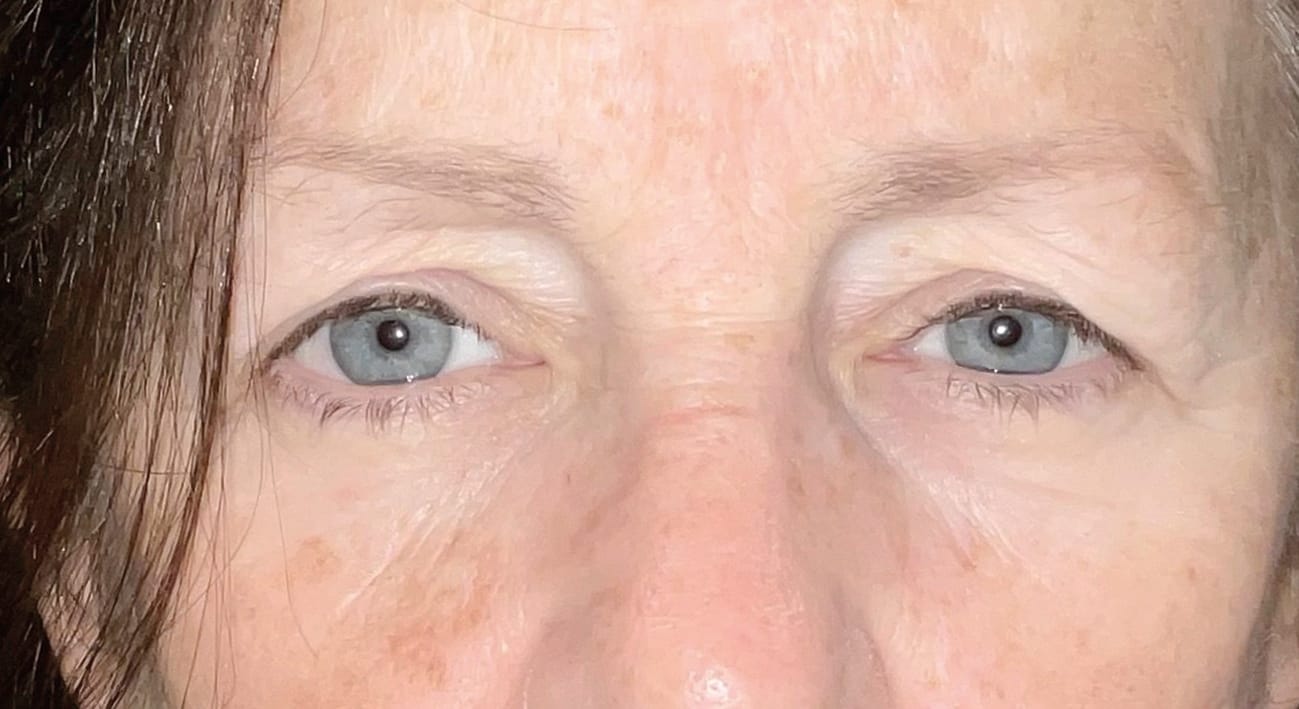
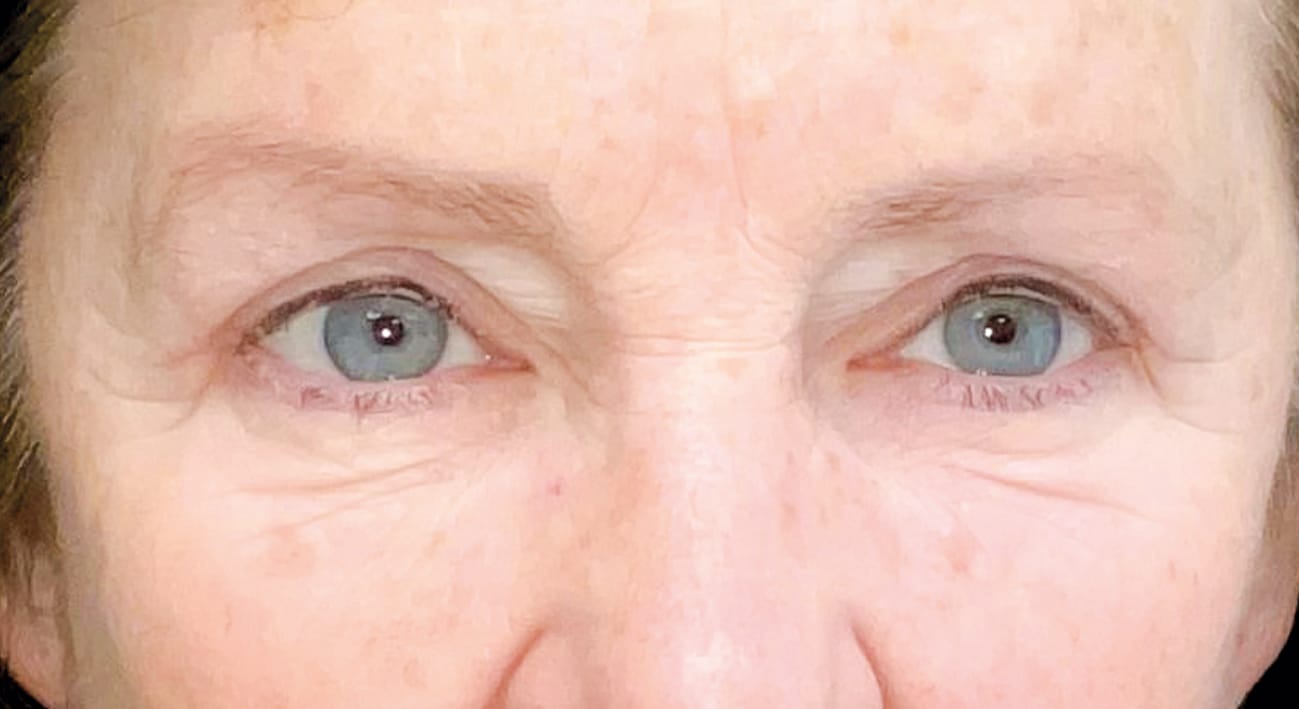
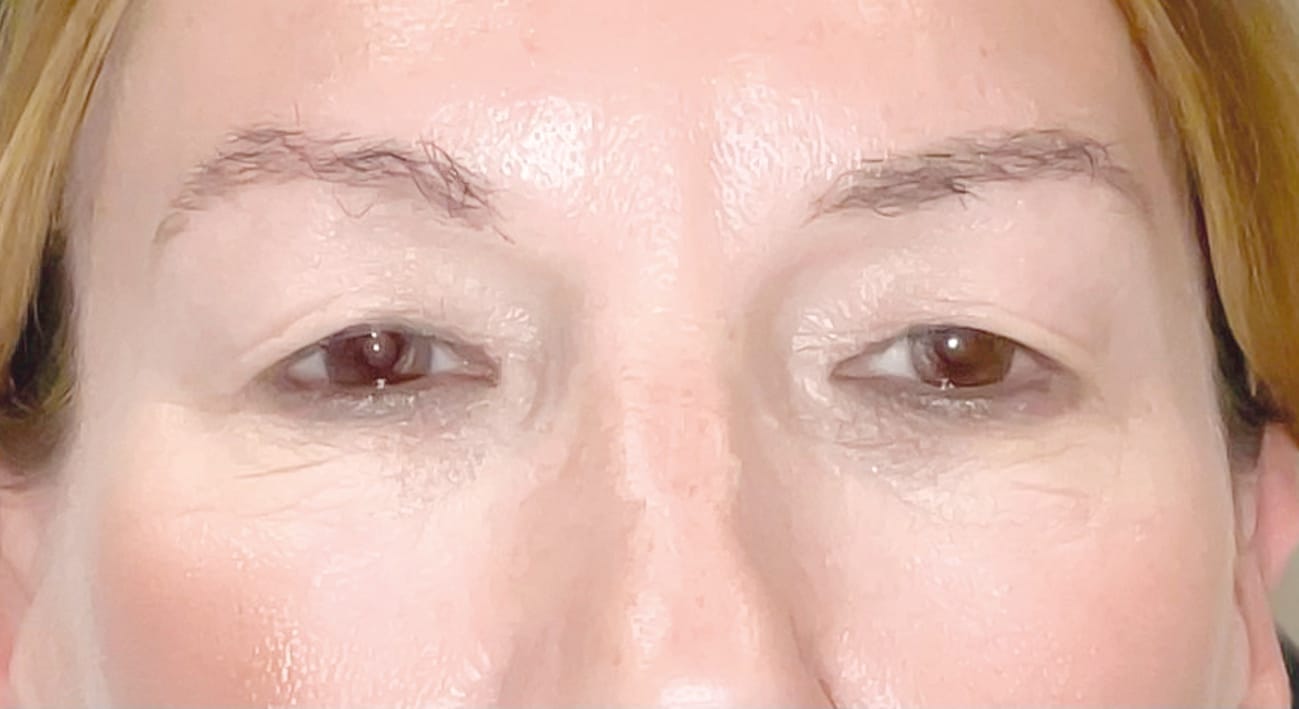
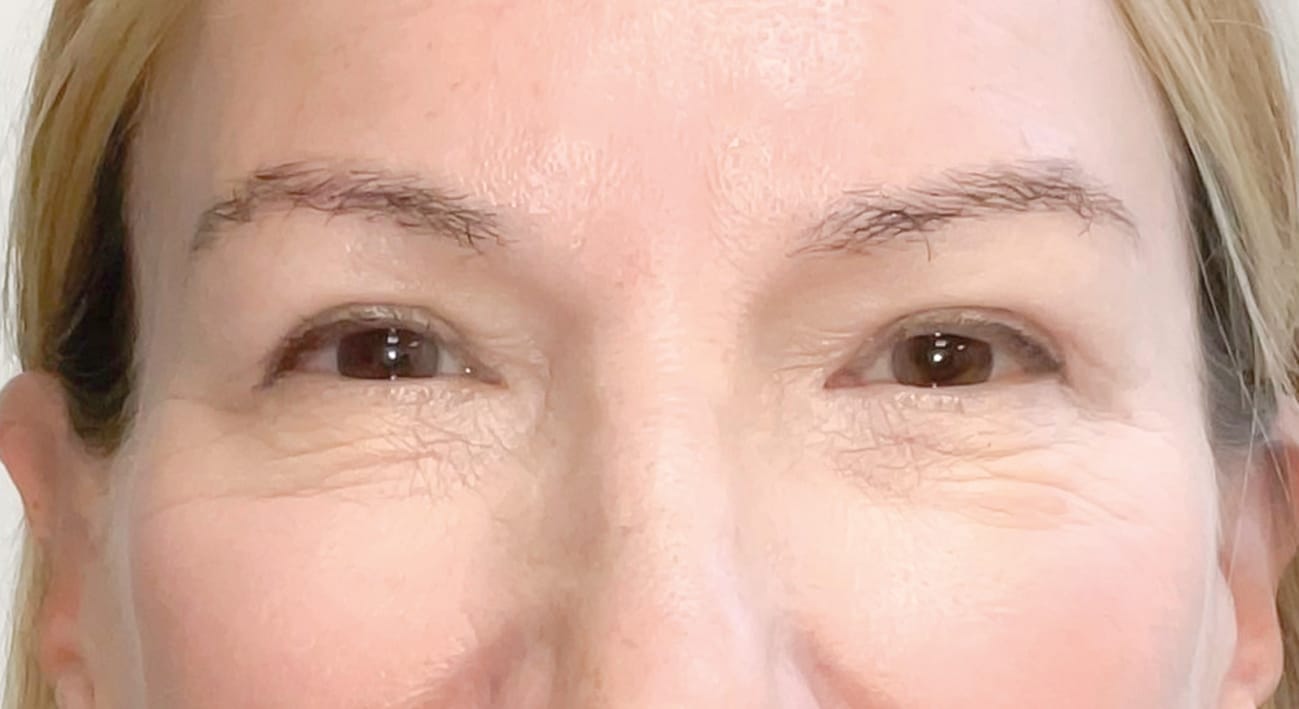
Before and After
These before-and-after images highlight the subtle yet transformative results that blepharoplasty can achieve. Our clients feel refreshed and rejuvenated, while maintaining their natural appearance.
Blepharoplasty at Our Brighton Clinic Near Tunbridge Wells
Our Brighton clinic is conveniently located just outside the city centre, making it an accessible option for patients travelling from Tunbridge Wells and the surrounding South East area. Patients from Tunbridge Wells can reach the clinic via well-connected road and rail routes.
- By car: Easy access via the A21 and A27, with a typical journey time from around 50 minutes from Tunbridge Wells.
- Parking: On-site parking is available, helping ensure a straightforward and convenient arrival experience.
- Public transport: Regular train services from Tunbridge Wells to Brighton run throughout the day, typically with one change en route, with a journey time of approximately 60 minutes.
- Nearby areas served: Tunbridge Wells, West Sussex and the wider South East.
On-site parking
Consultant-led pathway
Premium private facilities
Clinic details
Sapphire Eye Care Brighton
Warren Road, Brighton, England, BN2 6DX, United Kingdom
03330 344955
Appointments and enquiries
Why patients choose us
Consultant-led care, premium patient journey and comprehensive follow-up support.
What is Blepharoplasty (Eyelid Treatment)?
Blepharoplasty is an advanced eyelid surgery procedure that removes or redistributes excess skin and fatty tissue around the eyes to create a more refreshed appearance and, in some cases, improve vision impacted by sagging eyelids. For patients in Tunbridge Wells considering eyelid surgery, Sapphire Eye Care Brighton offers premium consultant-led care tailored to your eyelid anatomy, concerns and desired outcome.
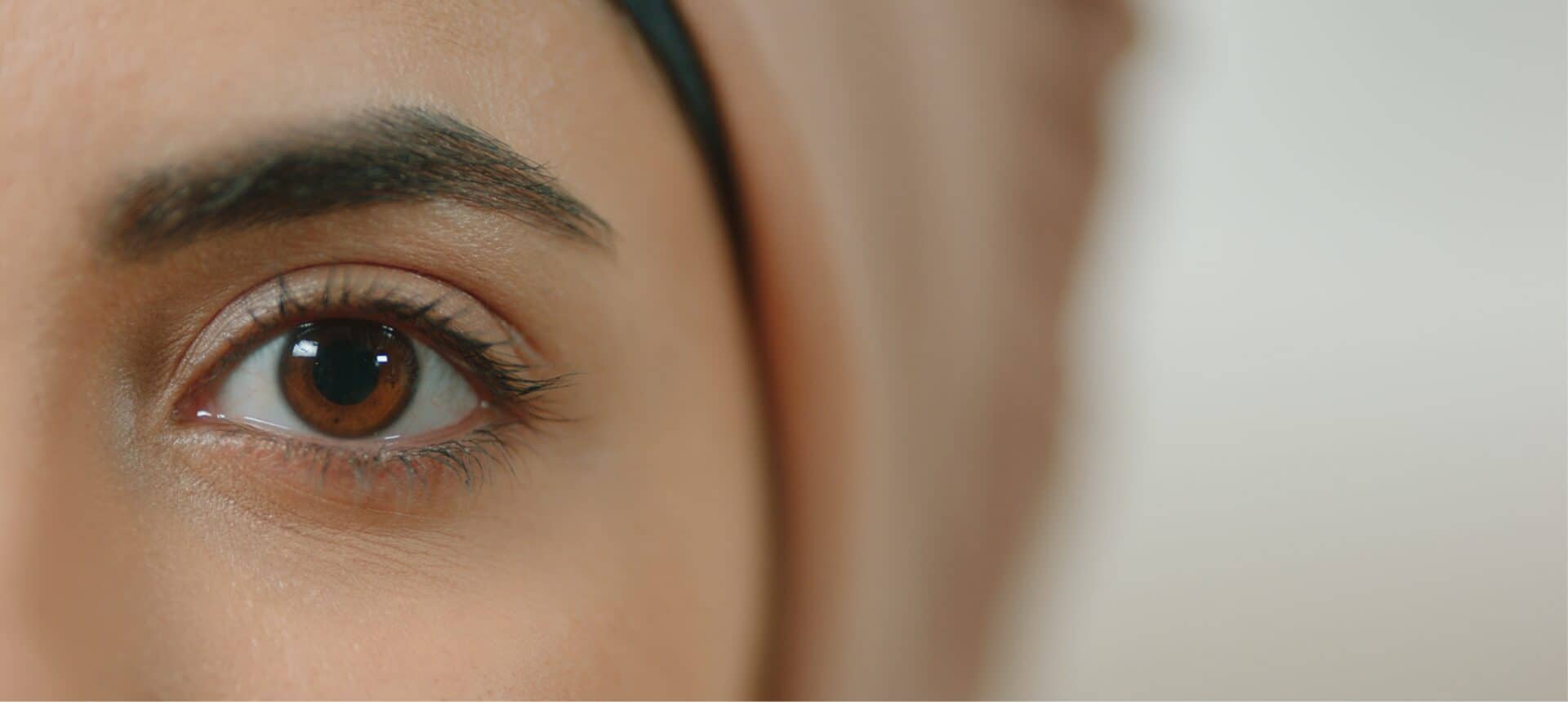
Upper Eyelid Blepharoplasty
Ideal for lifting heavy or hooded upper lids that may affect vision or create a tired appearance.
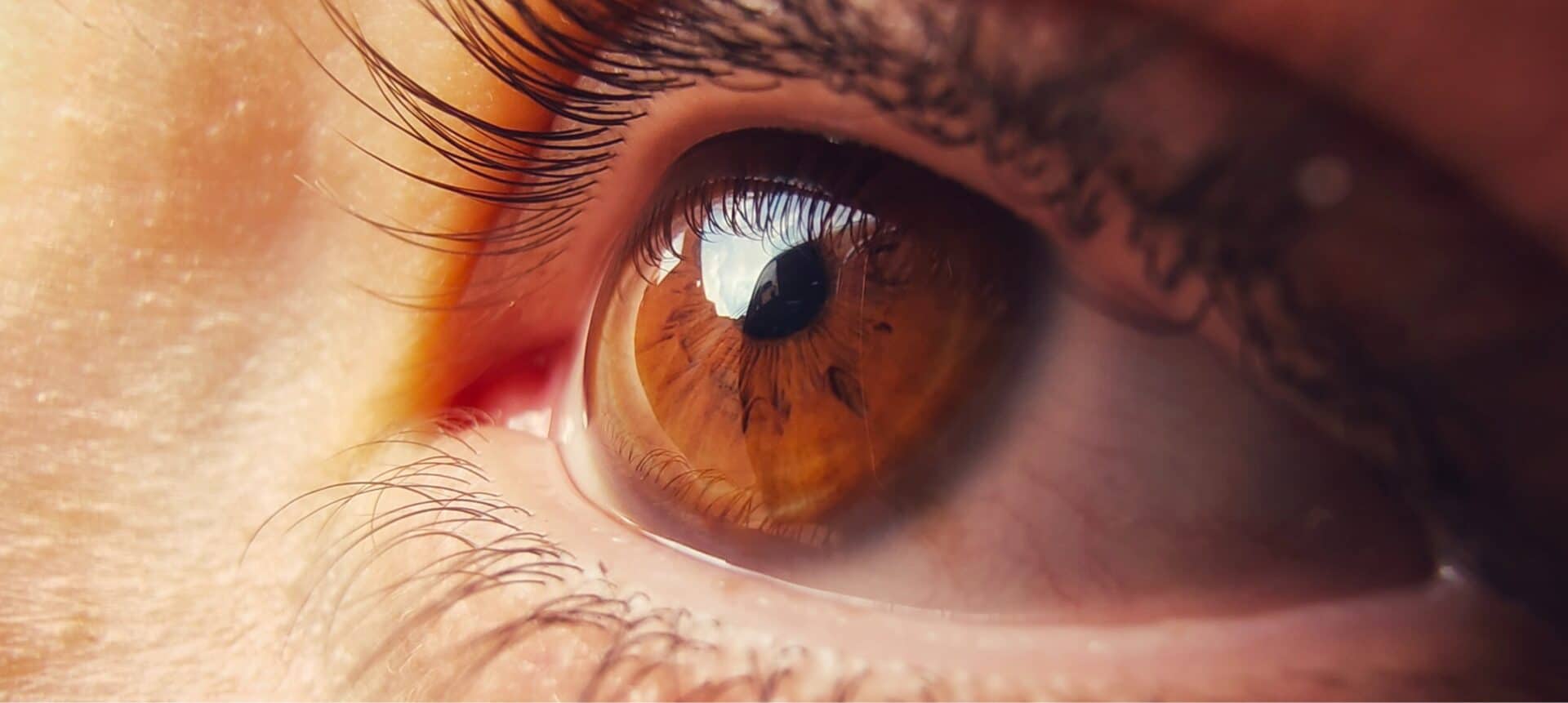
Lower Eyelid Blepharoplasty
Designed to smooth the lower eye area by reducing bags, excess skin or puffiness.

Combined Eyelid Surgery
For patients seeking fuller rejuvenation around both the upper and lower eyelids.
Who is Blepharoplasty Suitable For?
People with drooping or hooded eyelids
Patients with under-eye bags or puffiness
Those experiencing vision obstruction from excess upper lid skin
Individuals seeking a more refreshed appearance
Quick answer
Many patients from Tunbridge Wells choose blepharoplasty to improve both function and appearance. Suitability depends on your eyelid anatomy, symptoms and goals, which are reviewed during consultation by a consultant ophthalmic surgeon.
Video library
Hear from our surgeons
Short expert videos designed to answer common questions patients ask before treatment.



Your Blepharoplasty Journey with Sapphire Eye Care
We support patients from Tunbridge Wells at every stage, from first enquiry and consultation through to surgery, recovery and aftercare.
Priority Booking
Our team helps arrange your next steps quickly, with online booking and prompt support.
A Warm Welcome
Your consultation is designed to be reassuring, tailored and focused on your needs.
Personalised Planning
We build a treatment plan around your anatomy, lifestyle and desired outcome.
Procedure Day
Specialist-led surgery takes place in a premium medical environment with expert support.
Aftercare
Follow-up appointments and recovery guidance help support healing and results.
Why Choose Sapphire Eye Care for Blepharoplasty in Tunbridge Wells?
Specialist-led procedures
Consultant ophthalmic surgeons with expertise in eyelid surgery and a focus on natural outcomes.
Personalised care plans
Recommendations built around your goals, anatomy and clinical needs.
Exceptional safety standards
Trusted private facilities, modern techniques and careful follow-up support.
Convenient local care
Accessible Brighton location with a premium patient journey from start to finish.
Trusted patient feedback
Positive reviews and testimonials reinforce the quality of Sapphire’s care experience.
Recognised expertise
Premium, consultant-led positioning aligned with the current Sapphire brand feel.
Blepharoplasty vs Non-Surgical Eyelid Treatments
Non-Surgical Options
- May offer a more limited or temporary refresh
- Do not remove excess eyelid skin
- Suitability depends on severity and goals
Blepharoplasty
- Addresses excess skin and puffiness directly
- Longer-lasting structural improvement
- Suitable when functional issues or significant hooding are present
Meet Our Surgeons

Memberships
Fellow of the Royal College of Ophthalmologists (FRCOphth)
Full Member of the British Oculoplastic Surgery Society (BOPSS)
Full Member of the European Society of Ophthalmic Plastic and Reconstructive Surgery (ESOPRS)
What Our Patients Say
What Our Patients Say About Blepharoplasty
Blepharoplasty Tunbridge Wells FAQs
Who is suitable for eyelid surgery?
Blepharoplasty may be suitable for people with drooping skin affecting vision, under-eye bags, puffiness or those seeking a subtle yet effective improvement in appearance. Suitability is confirmed during consultation.
How much does blepharoplasty cost?
Pricing can vary depending on the treatment approach recommended for you. For the latest information, please visit our pricing page.
Is there parking available at your Brighton clinic?
Yes. The clinic offers convenient on-site parking.
Where is your Blepharoplasty clinic located in Brighton?
Our Brighton clinic is located on Warren Road, Brighton, England, BN2 6DX, United Kingdom.
How quickly can I get a Blepharoplasty consultation if I live in Tunbridge Wells?
Immediate consultation appointments are typically available.
Will I need someone to accompany me home after surgery?
Yes. As blepharoplasty is usually performed as a day procedure, you will normally need someone to accompany you home after treatment.
How long does the procedure take?
Blepharoplasty typically takes 60–120 minutes depending on the complexity. Upper eyelids alone may take around 60 minutes, while combined upper and lower procedures can take longer.
How soon can I return to work?
Recovery varies from patient to patient, but many people can resume light day-to-day activity within around 7–10 days, depending on the procedure performed and your surgeon’s advice.
What should I expect after surgery?
- After surgery you may experience some pain. Simple paracetamol is usually enough to control this.
- The eyelids will be a bruised and swollen. Bruising will take approximately 2 weeks to settle. Swelling is greatly reduced after 2 weeks but may not completely resolve for several months.
- Some people report not feeling ‘back to normal’ for up to 6 months after surgery.
- Initially it may feel difficult for you to close your eyelids and this will be managed with eye ointments.
- It is important not to have surgery too close to important events, in case you have not fully recovered in time.
What is Dermatochalasis?
- Dermatochalasis is excess of eyelid skin. It can present as an extra fold of skin, which may overhang the upper eyelashes.
- It is caused by the skin loosing its elasticity, usually due to age but is also seen in some medical conditions such as Thyroid related.
- It may be associated with prolapse of orbital fat causing the eyelid to bulge (eye bags). This may occur in the upper or lower eyelid.
- The lower lid may be lax or loose, which may cause it to sag or hang lower than in youth.
What is Blepharoplasty Surgery?
- A blepharoplasty is an operation to rejuvenate the eyelids and in some cases can improve vision where excess skin is obscuring it.
- It usually involves removal of excess eyelid skin.
- Depending on an individual, muscle or fat underlying the skin may also be removed, repositioned or tightened surgically.
- The procedure can be carried out in the upper or lower eyelid
Upper eyelid blepharoplasty:
- At the beginning of the operation the amount of skin to be removed will be carefully assessed. Marks will be drawn on the eyelid with a sterile marking pen to assist the surgeon during the procedure.
- The incision is based in the skin crease of the upper lid, which helps to minimise any sign that you have had upper lid surgery.
- After this, local anaesthetic will be injected under the skin of the eyelid and excess skin is then removed.
- Depending on your particular needs, the muscle beneath the skin may be preserved or partially removed.
- If there is fat prolapse, this may be treated with partial fat removal or repositioning.
- Sutures are placed to reform the natural skin crease in the eyelid.
- The skin edges are sutured together with either a continuous suture that is removed one week later or absorbable sutures that will naturally fall out after 2-3 weeks.
- It may be performed alone or in conjunction with other procedures such as lower eyelid surgery, ptosis surgery or brow surgery.
Lower eyelid blepharoplasty:
- There are several elements to lower lid blepharoplasty: skin, muscle, fat and eyelid laxity. The procedure will be tailored to your needs.
- Fat prolapse in the lower eyelid gives the appearance of ‘eye bags’. This fat can be excised or repositioned over the orbital rim to create a smoother transition from the eyelid into the cheek.
- Surgery on the prolapsed fat may be done without a skin incision from the inside of the eyelid – transconjunctival or via a skin incision just beneath the eyelashes – transcutaneous.
- The lower eyelid usually needs to be tightened at the time of surgery. Even a small amount of lid laxity can lead to postoperative lower lid retraction or ectropion if not addressed at the time of surgery.
- The orbicularis muscle, which lies directly beneath the skin is often tightened by placing sutures from it to the bony rim of the orbit – ‘orbicularis suspension’.
- Lower eyelid skin is excised in much smaller amounts than in the upper lid. This is to avoid the unwanted side effect following surgery of eyelid retraction.
What are the risks?
- Bleeding and bruising.
- Over or under correction of excess skin with the potential for residual bulging after surgery. Under correction does not usually necessitate revision surgery and is relatively common and preferable to over correction. Over correction results from removal of too much eyelid skin and/or fat with a resultant cosmetic sunken appearance to the eyelids after blepharoplasty).
- Asymmetry of the shape of the eyelids.
- Dry eye requiring the use of artificial teardrops temporarily blurred vision, which is usually temporary.
- Weak or limited eyelid blink (occurs due to excessive scarring)
- Weak or limited eyelid closure (especially at night)
- Should the cornea break down, partial closure of the eye with sutures may be necessary to protect it. Further corrective surgery may be necessary.
- Recurrence of excess skin/bag.
- The need for further eyelid surgery in the future.
- Cysts or whiteheads along suture sites.
- Temporary patches of numbness of the eyelids.
- Orbital haemorrhage with a potential for permanent visual loss
- Infection
- Scarring, or persistent eyelid swelling, and other unusual skin changes, especially in patients with thin sensitive skin, are extremely rare complications.
Crow’s feet are not generally improved by blepharoplasty. Smile lines are not improved by blepharoplasty and may change after surgery. In addition to the risks specific to the individual procedure, there are also general risks, such as blood loss, infection, cardiac arrest, airway problems and blood clots, which are associated with any surgical procedure. Local anaesthetic may cause bruising or possible allergic responses. If your operation is to be carried out under general anaesthetic, the anaesthetist will discuss this with you.
What are the benefits?
- Both eyelid dermatochalasis and eyebrow ptosis may reduce the visual field due to the hooding of skin over the eyelid; surgery can therefore improve visual function and relieve some headaches.
- It also will improve the appearance of the eyes with a fresher more awake look.
What are the alternatives?
If you choose not to have this surgery, the appearance and symptoms caused by the excess skin or fat is not likely to improve and may worsen over time, although this will not have any permanent detrimental effect on your vision or general health.

Medically reviewed by Andre Litwin
Consultant Ophthalmic Surgeon
Medically Reviewed, June 2026
Book a Free Online Consultation or Request a Callback

- Takes just 30 seconds
- No obligation
- Free phone consultation from the comfort of your own home
Arrange A Free Callback Today
We’ll call you right back to discuss your needs and arrange a no obligation, free online consultation