Heavy upper eyelids can do more than make you look tired - they may also affect your field of vision and everyday comfort. This guide explains how upper blepharoplasty may improve functional symptoms for suitable patients, whilst setting realistic expectations about what the procedure can and cannot achieve.
Blepharoplasty is often thought of as a cosmetic procedure designed to improve the appearance of the eyelids. While many patients do choose blepharoplasty to address concerns such as hooded eyelids or under-eye bags, the procedure can also offer important functional benefits for certain individuals.
For some patients, excess upper eyelid skin can become heavy enough to interfere with their field of vision. Activities such as driving, reading or working on a computer may become more difficult, and some people find themselves constantly raising their eyebrows in an effort to see more clearly.
In these situations, upper blepharoplasty may do more than improve appearance. By removing excess skin and reducing eyelid heaviness, the procedure can help improve visual function and day-to-day comfort.
At Sapphire Eye Care, our consultant ophthalmic surgeons assess both the cosmetic and functional aspects of the eyelids, helping patients understand whether blepharoplasty may be beneficial for their individual needs.
What Is Blepharoplasty?
Blepharoplasty is a surgical procedure that addresses changes affecting the upper or lower eyelids.


Upper Blepharoplasty
Upper blepharoplasty focuses on removing excess skin and tissue from the upper eyelids. It is commonly performed to address:
- Hooded eyelids
- Heavy upper eyelids
- Excess skin resting on the eyelashes
- A tired or aged appearance
- Visual obstruction caused by drooping eyelids
Lower Blepharoplasty
Lower blepharoplasty focuses on the area beneath the eyes and is typically performed to address:
- Eye bags
- Puffiness
- Excess skin
- Fat protrusion beneath the eyes
When discussing improvements in vision, it is generally upper blepharoplasty that is most relevant, as excess upper eyelid skin is the factor most likely to interfere with the visual field.
How Can Drooping Eyelids Affect Vision?
As we age, the skin and tissues around the eyes naturally lose elasticity. For some people, this results in excess upper eyelid skin that gradually begins to hang lower over the eyes.
Initially, the change may be cosmetic. However, in more significant cases, the skin can begin to obstruct part of the visual field.
Patients often describe:
- A feeling of heaviness around the eyes
- Needing to raise their eyebrows to see clearly
- Reduced awareness of objects above them
- Difficulty seeing traffic lights without tilting their head
- Increased eye fatigue towards the end of the day
The effect is often gradual, meaning many people do not immediately realise how much their vision has been affected.
Instead, they simply adapt by lifting their brows or tilting their head backwards when carrying out everyday activities.
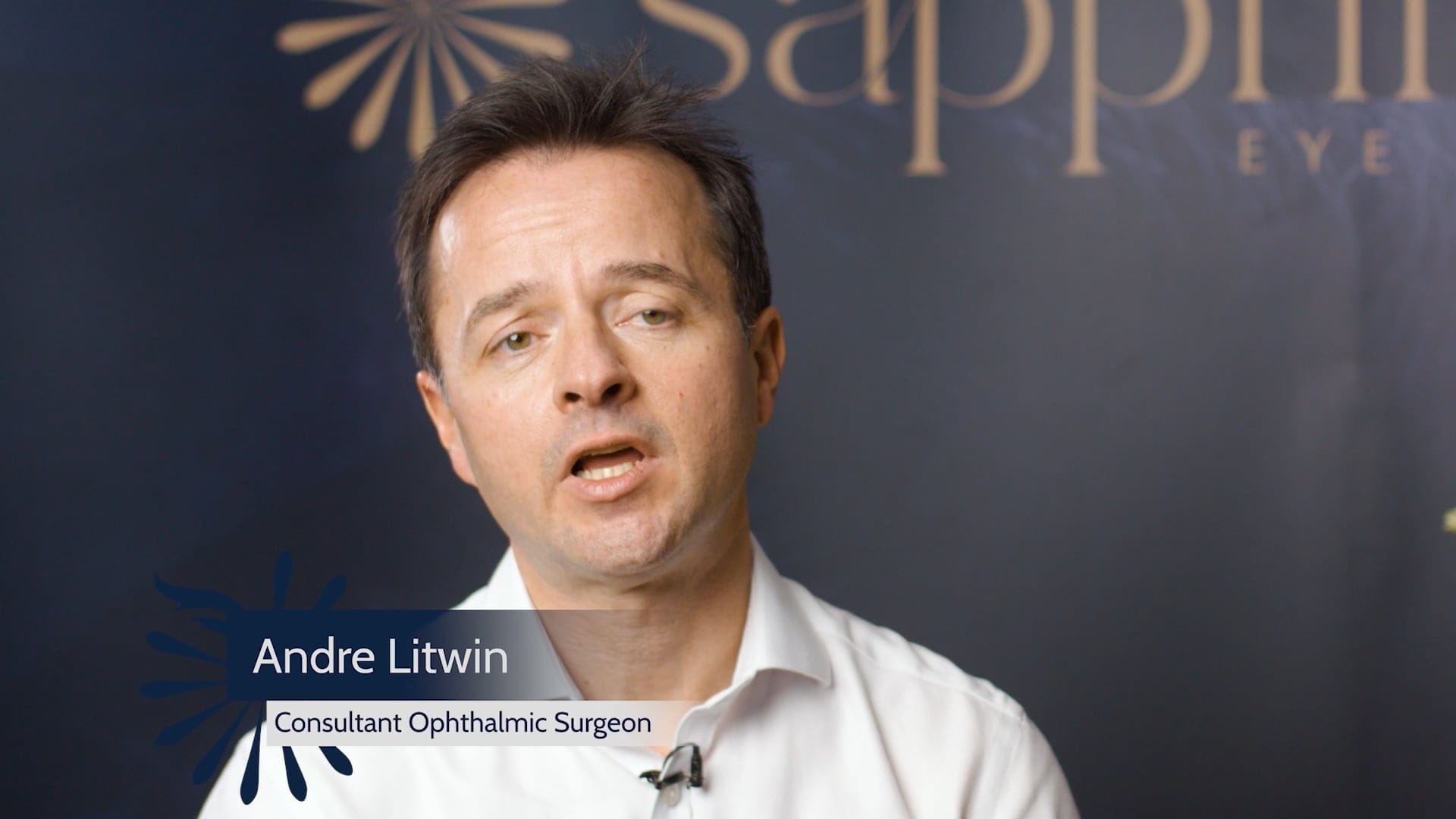
Expert video answers
Short expert videos designed to answer common questions patients ask before treatment.


Signs Your Eyelids May Be Affecting Your Vision
Not everyone with hooded eyelids experiences visual problems. However, there are several signs that excess eyelid skin may be affecting your visual function.
Common symptoms include:
- Upper eyelid skin resting on the eyelashes
- Difficulty seeing objects in the upper field of vision
- Reduced peripheral awareness
- Frequently raising your eyebrows to improve vision
- Forehead tension or headaches caused by brow strain
- Feeling that your eyelids become heavier throughout the day
- Difficulty reading overhead signs
- Needing to tilt your head backwards when driving
Many patients are surprised to discover that these symptoms are related to their eyelids rather than their eyesight itself.
Can Upper Blepharoplasty Improve Vision?
For suitable patients, upper blepharoplasty can improve visual function by reducing the obstruction caused by excess eyelid skin.
When the heavy skin is removed, patients may experience:
- A wider visual field
- Reduced eyelid heaviness
- Less reliance on raising the eyebrows
- Improved comfort during everyday activities
- Reduced forehead strain
Many patients report that they feel more comfortable reading, driving and carrying out daily tasks after recovery.
It is important to understand that blepharoplasty does not improve eyesight itself. The procedure does not change how the eye focuses or treat conditions such as cataracts, glaucoma or macular degeneration.
Instead, the improvement comes from reducing the physical obstruction created by excess eyelid skin.
For patients whose visual field has been restricted by drooping eyelids, this can make a meaningful difference to day-to-day life.
Cosmetic vs Functional Blepharoplasty
The distinction between cosmetic and functional blepharoplasty is not always straightforward.
Cosmetic Blepharoplasty
Patients may seek treatment because they are concerned about:
- Hooded eyelids
- Looking tired
- Looking older than they feel
- Eye bags and puffiness
Functional Blepharoplasty
Patients may also experience:
- Visual field restriction
- Eyelid heaviness
- Brow strain
- Difficulty driving
- Problems with reading or computer work
In reality, many patients have both cosmetic and functional concerns.
A patient may initially seek treatment because they dislike the appearance of heavy eyelids, only to discover during assessment that the excess skin is also affecting their vision.
Which Activities Can Be Affected By Heavy Eyelids?
Visual obstruction caused by excess eyelid skin can affect a surprising number of everyday activities.
Driving
Some patients notice difficulty seeing traffic lights, road signs or hazards positioned above eye level.
Reading
Heavy eyelids can contribute to visual fatigue during prolonged reading.
Computer Work
Many people spend long periods looking at screens throughout the day. Eyelid heaviness can increase discomfort and contribute to fatigue.
Sports and Exercise
Activities that require good peripheral awareness may become more challenging if excess skin is obstructing part of the visual field.
Everyday Tasks
Simple activities such as shopping, walking outdoors or climbing stairs can become more comfortable when visual obstruction is reduced.
How Do Consultants Assess Whether Blepharoplasty May Help?
A specialist assessment is the best way to determine whether blepharoplasty may provide functional benefits.
During your consultation, your consultant may assess:
- Eyelid position
- Skin redundancy
- Eyelid function
- Brow position
- Medical history
- Symptoms and lifestyle impact
Where appropriate, visual field testing may also be considered.
The aim is to understand not only how the eyelids look, but how they function and whether they may be contributing to symptoms.
Why Ophthalmic Expertise Matters
The eyelids play an important role in protecting and maintaining the health of the eyes.
They are responsible for:
- Blinking
- Tear film distribution
- Eye protection
- Comfort and lubrication
This is one reason why many patients choose to see an ophthalmic surgeon when considering blepharoplasty.
At Sapphire Eye Care, our consultant ophthalmic surgeons combine expertise in both eye health and eyelid surgery.
This allows us to assess:
- Cosmetic concerns
- Functional symptoms
- Visual obstruction
- Ocular surface health
- Long-term eyelid function
The goal is not simply to improve appearance, but to achieve a result that supports both function and comfort.
Frequently asked questions
Can blepharoplasty improve peripheral vision?
For patients whose peripheral vision is restricted by excess upper eyelid skin, upper blepharoplasty may improve awareness of the upper and outer visual field. Suitability varies between individuals and requires specialist assessment.
Does upper blepharoplasty improve eyesight?
No. Blepharoplasty does not change eyesight itself. Instead, it may improve visual function by reducing obstruction caused by excess eyelid skin.
How do I know if my eyelids are affecting my vision?
Symptoms may include heavy eyelids, difficulty seeing above eye level, forehead strain, reduced peripheral awareness and the need to constantly raise your eyebrows.
Can blepharoplasty help with eye strain?
In some patients, yes. Reducing the need to continually lift the brows can lessen forehead strain and improve comfort.
Is functional blepharoplasty different from cosmetic blepharoplasty?
The surgical procedure is often similar. The difference lies in the reasons for treatment and the symptoms being addressed.
Can lower blepharoplasty improve vision?
Generally, no. Lower blepharoplasty primarily addresses eye bags and puffiness beneath the eyes rather than visual obstruction.
How long does recovery take?
Most patients experience swelling and bruising for one to two weeks, with ongoing improvement over several weeks and months.
At which locations does Sapphire Eye Care offer blepharoplasty surgery?
Sapphire Eye Care provides blepharoplasty surgery through clinics located across Hampshire, Dorset, Surrey, Sussex, Berkshire and neighbouring counties. Many patients travel from throughout the South of England for consultation and treatment with our experienced consultant ophthalmic surgeons. We can advise on the most suitable clinic location based on where you live and your treatment requirements.
Book a Free Online Consultation
If you are considering blepharoplasty surgery and would like personalised advice about the procedure, recovery, aftercare and expected results – our specialist team are here to help.
Book a Free Online Consultation or Request a Free Callback to discuss your treatment options with our expert Sapphire Eye Care team.

Medically reviewed by Andre Litwin
Consultant Ophthalmic Surgeon.
Medically Reviewed, July 2026
Arrange A Free Callback