Lower blepharoplasty is a specialised eyelid procedure designed to improve the appearance of eye bags, puffiness and excess tissue beneath the eyes. For many patients, the procedure can create a more refreshed and rested appearance while maintaining natural-looking results.
For those considering blepharoplasty surgery, one of the most common questions is what recovery will be like afterwards. Patients often want to know how long swelling and bruising last, when they can return to work, and when they will begin to see the final result.
The good news is that lower blepharoplasty recovery is generally very manageable when surgery is performed by experienced specialist oculoplastic surgeons and supported by appropriate aftercare. While recovery can sometimes take slightly longer than upper eyelid surgery, most patients are pleasantly surprised by how quickly they begin to feel comfortable and confident following treatment.
At Sapphire Eye Care, our consultant-led approach ensures patients receive personalised guidance before, during and after surgery, helping to support a smooth recovery and excellent long-term outcome.
What to Expect Immediately After Lower Blepharoplasty Surgery
Immediately after surgery, it is normal to experience some swelling, bruising and tightness around the lower eyelids. The under-eye area may appear puffy and the skin can feel slightly tender during the first few days.
Some patients also experience:
- Mild watering of the eyes
- Temporary dryness or irritation
- Light sensitivity
- Slightly blurred vision caused by ointment or swelling
These symptoms are typically temporary and improve steadily as healing progresses.
Most patients return home on the same day as their procedure. We generally recommend arranging for someone to drive you home and assist during the first 24 hours while you rest and recover.
During the initial recovery period, it is important to:
- Rest with your head elevated
- Apply cold compresses as advised
- Avoid strenuous activity
- Follow all aftercare instructions provided by your surgeon
While swelling and bruising can initially appear quite noticeable, this is an expected part of the healing process and gradually improves over the following weeks.


Lower Blepharoplasty Recovery Timeline: Day by Day
Every patient heals differently, however the following timeline provides a realistic overview of what most patients can expect during lower blepharoplasty recovery.
Swelling
Swelling is most noticeable during the first few days after surgery and can continue improving gradually over several weeks.
Bruising
Bruising around the lower eyelids and upper cheeks is common and typically fades significantly within the first two weeks.
Tightness & Numbness
Temporary tightness, altered sensation or numbness around the lower eyelids is a normal part of the healing process.
Returning to Normal Activities
Most patients can resume many everyday activities within 1–2 weeks, although recovery timelines vary between individuals.
Days 1-3
The first few days are usually when swelling and bruising are most noticeable.
Patients may experience:
- Puffiness beneath the eyes
- Bruising around the lower eyelids and upper cheeks
- Tightness when smiling or blinking
- Mild watering or dryness
Cold compresses, rest and sleeping with the head elevated can help minimise swelling during this period.
Most discomfort is generally mild and manageable with simple pain relief if required.
Days 4-7
By the end of the first week, many patients begin to notice early improvements.
Swelling often starts to settle and bruising may begin to fade, although the appearance can temporarily worsen before improving as bruising changes colour during the healing process.
The lower eyelids may still feel slightly tight or numb, which is a normal part of recovery.
Week 2
By the second week, many patients feel comfortable returning to work, social activities and other day-to-day routines.
Most bruising has significantly improved, although some residual swelling often remains.
At this stage, patients frequently notice that the appearance of under-eye bags has already improved considerably.
Weeks 4-6
The majority of swelling has usually settled by this point and the results become increasingly visible.
The lower eyelids continue to soften and settle, creating a smoother transition between the eyelid and cheek.
Many patients are enjoying a noticeably fresher and more rested appearance by this stage.
Months 2-6
Lower blepharoplasty healing continues subtly beneath the surface for several months.
Any remaining swelling gradually resolves and the final contour becomes increasingly refined.
Patience is important during this stage, as some of the most natural improvements develop gradually over time.
Swelling After Lower Blepharoplasty
Swelling is one of the most common aspects of lower blepharoplasty recovery.
Compared with upper eyelid surgery, swelling beneath the eyes can sometimes take slightly longer to settle because of the delicate nature of the tissues involved.
It is also normal for swelling to fluctuate during recovery. Many patients notice:
- More swelling first thing in the morning
- Variations throughout the day
- Temporary increases following physical activity
These fluctuations generally become less noticeable as healing progresses.
Sleeping with the head elevated and following your surgeon’s aftercare instructions can help support recovery.
Bruising and Discolouration After Lower Eyelid Surgery
Bruising is a normal part of healing following lower blepharoplasty.
The extent varies from person to person depending on factors such as:
- Individual healing response
- Skin type
- Surgical technique
- Medications and supplements
One feature that often surprises patients is that bruising may migrate downwards into the cheek area due to gravity. While this can appear alarming, it is usually a normal part of the healing process.
Most bruising improves significantly within the first two weeks, although subtle discolouration may occasionally take longer to resolve completely.
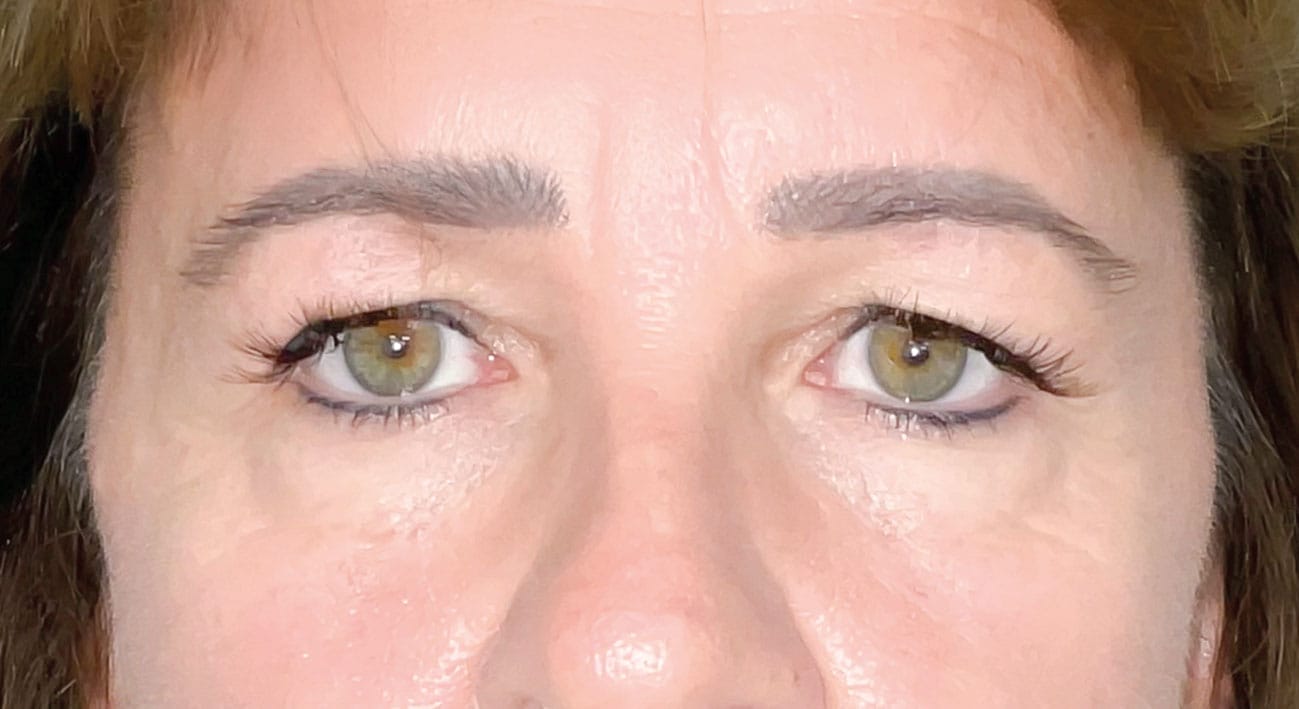
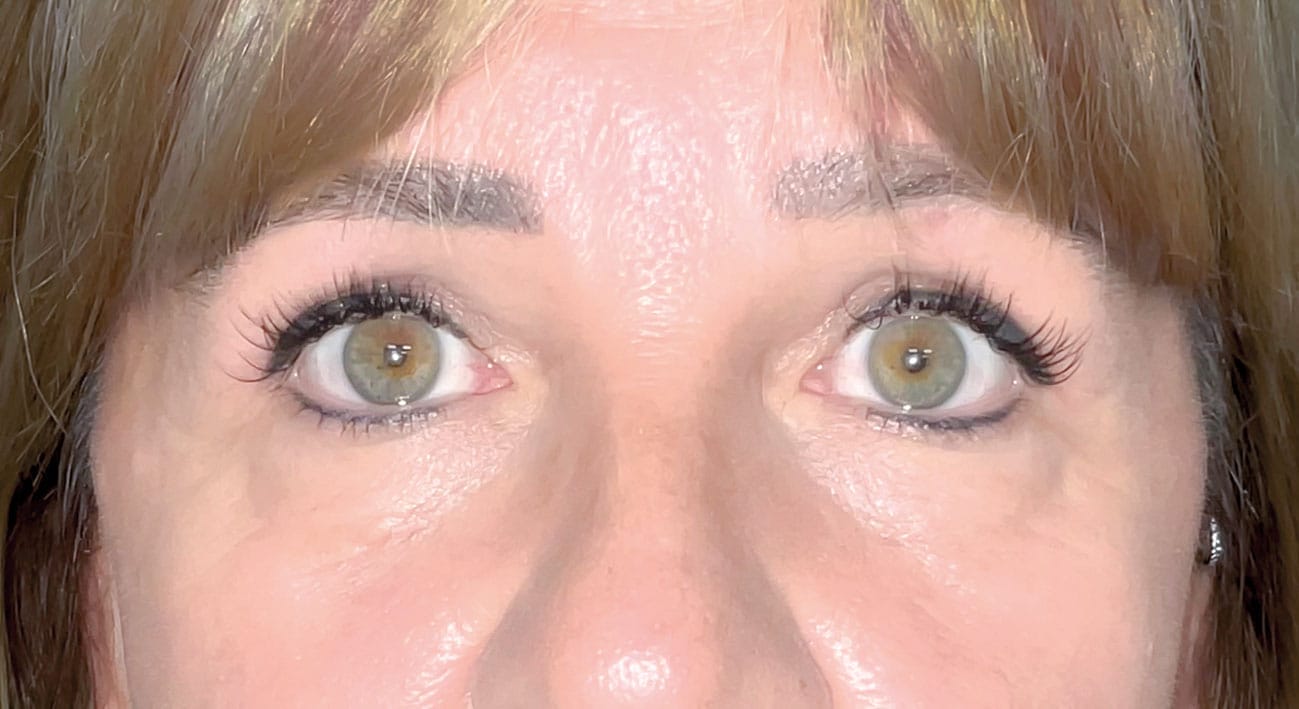
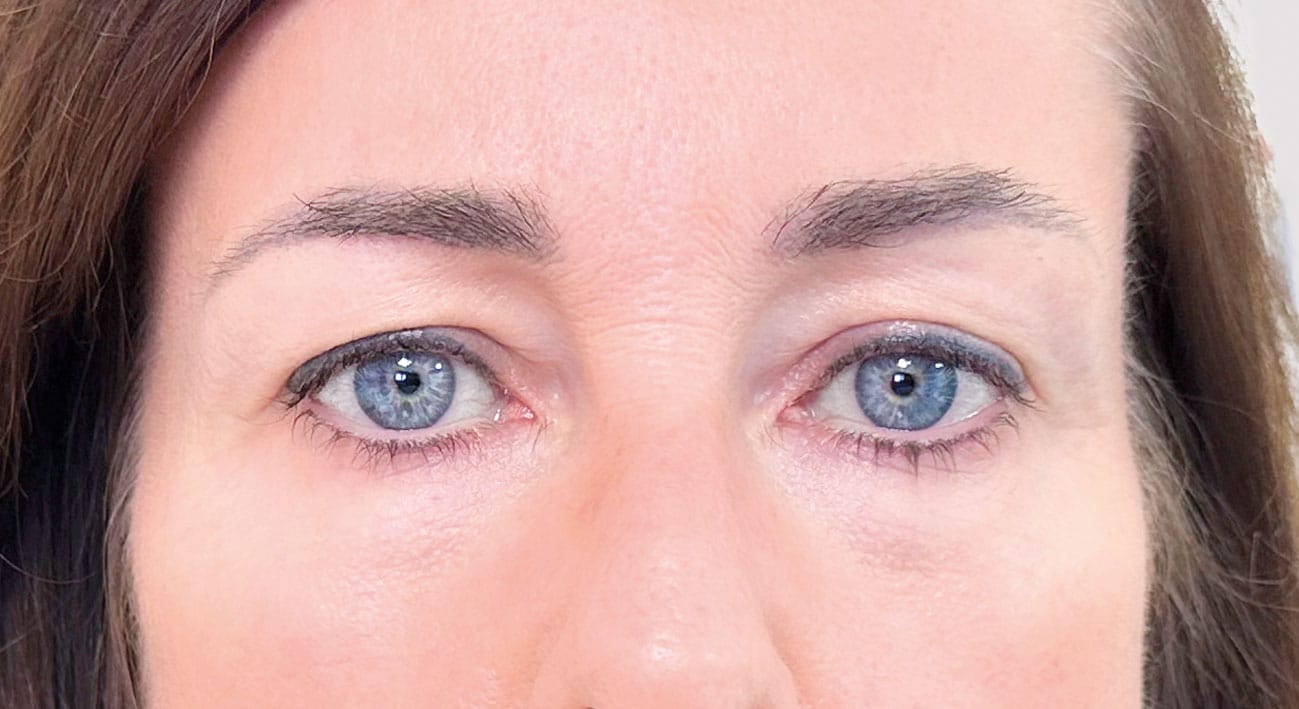
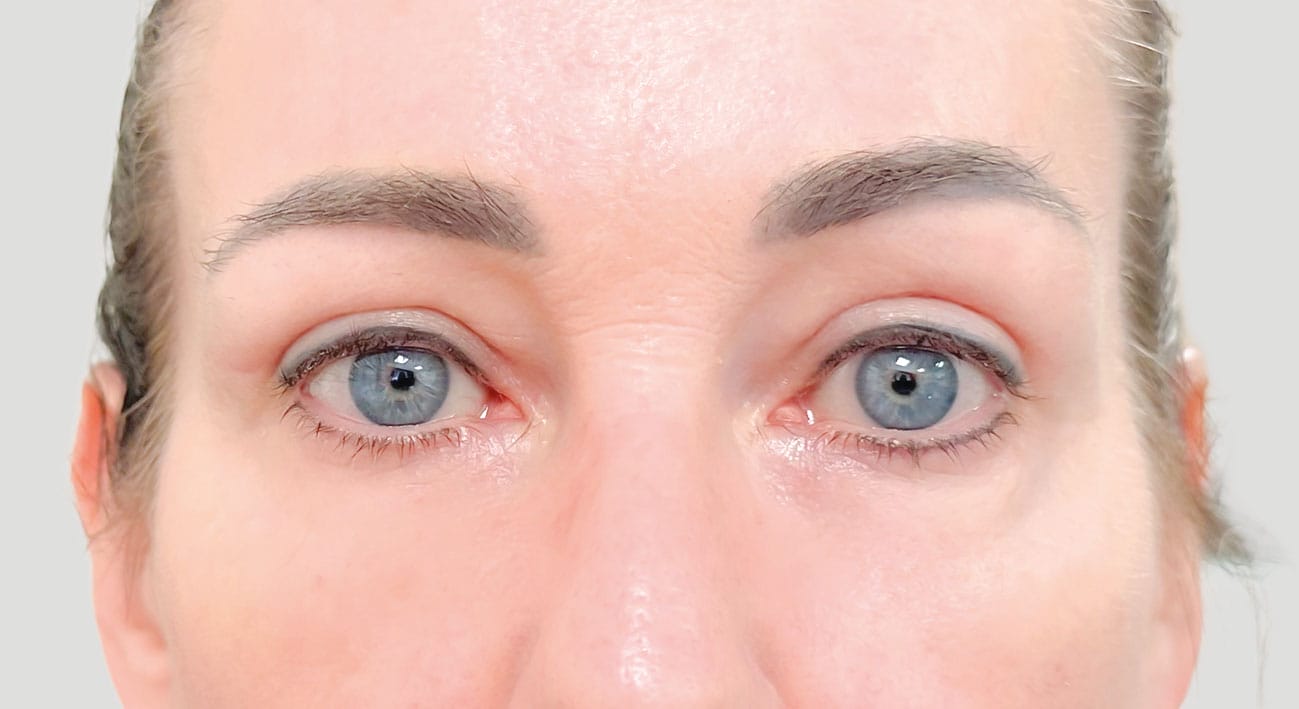
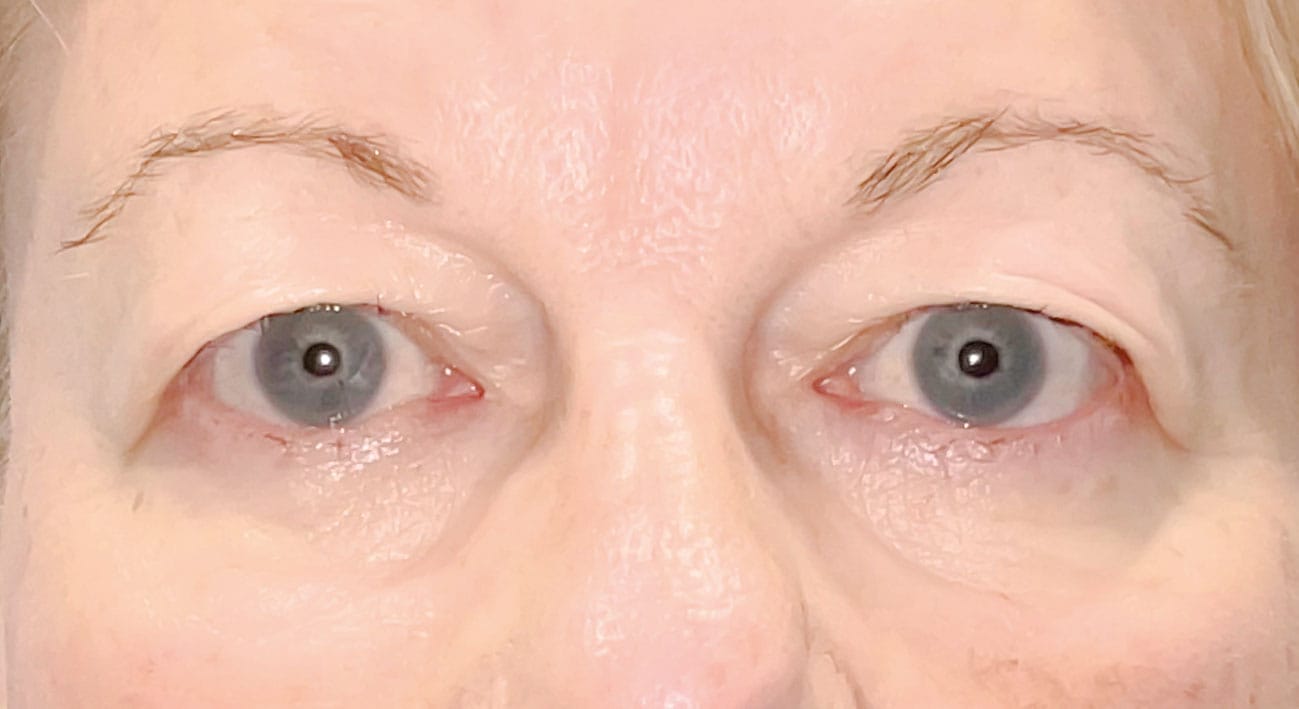
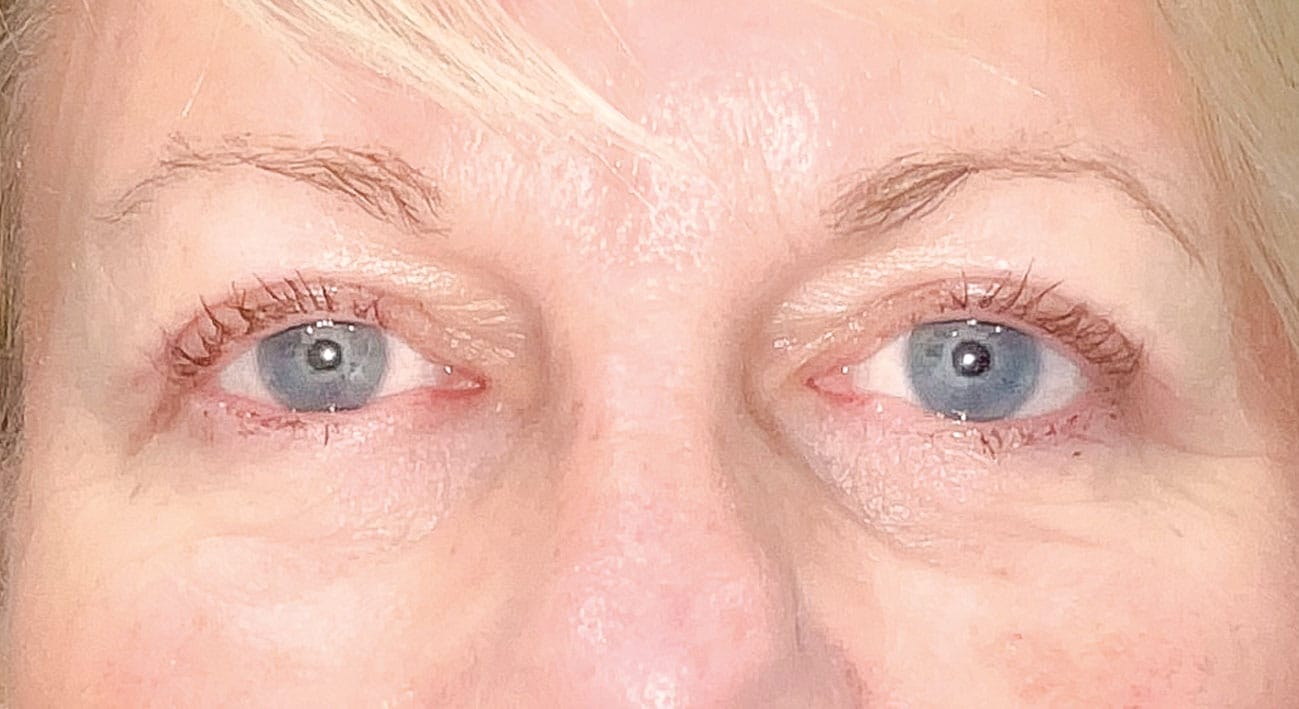
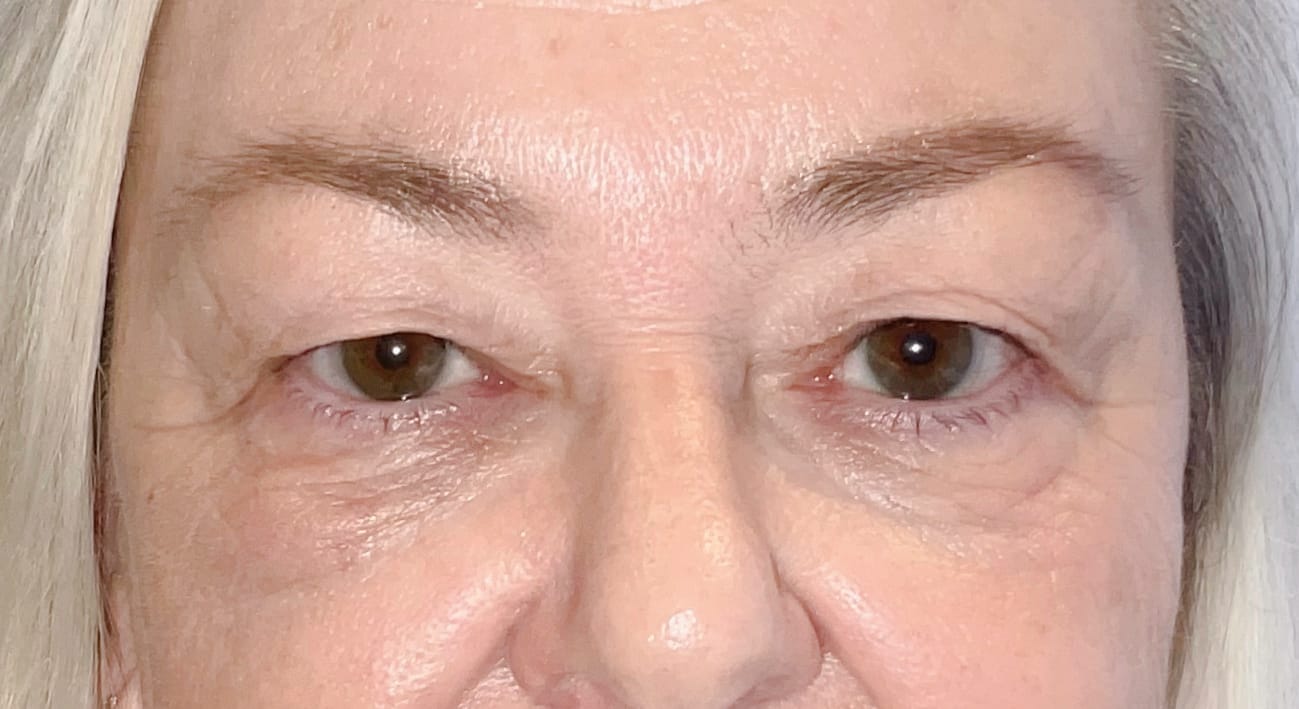
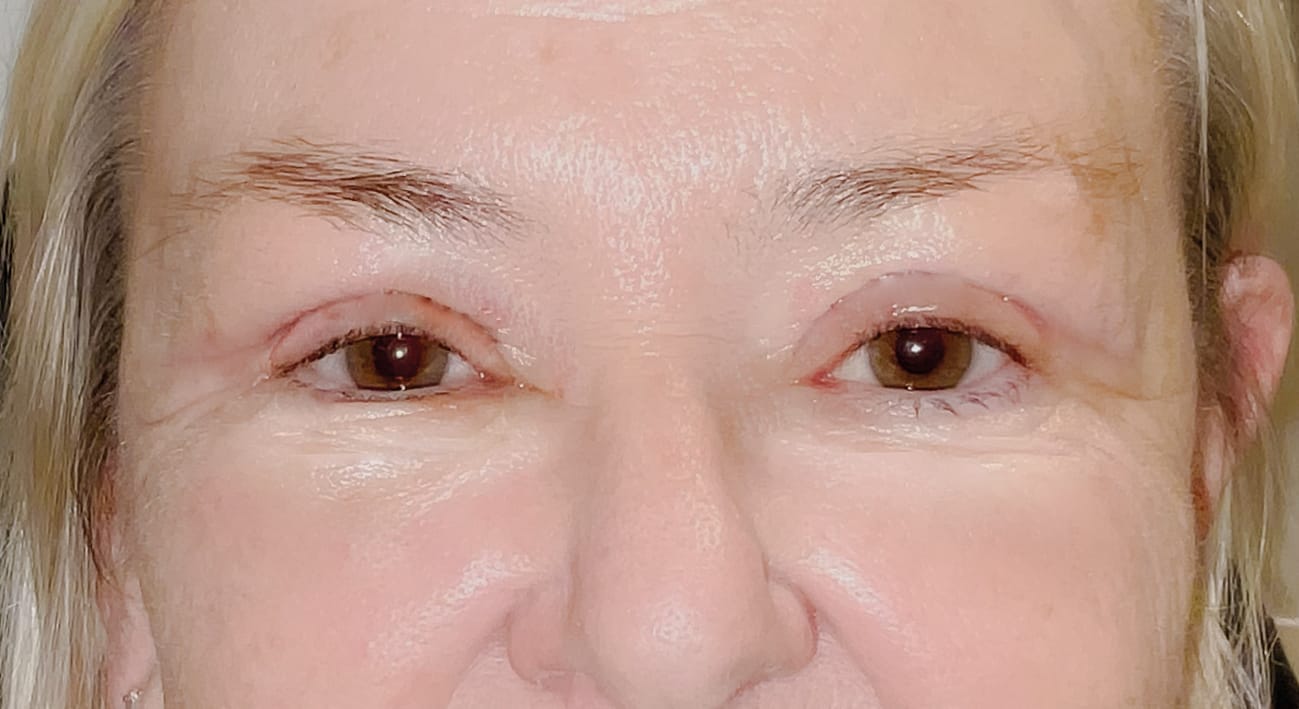
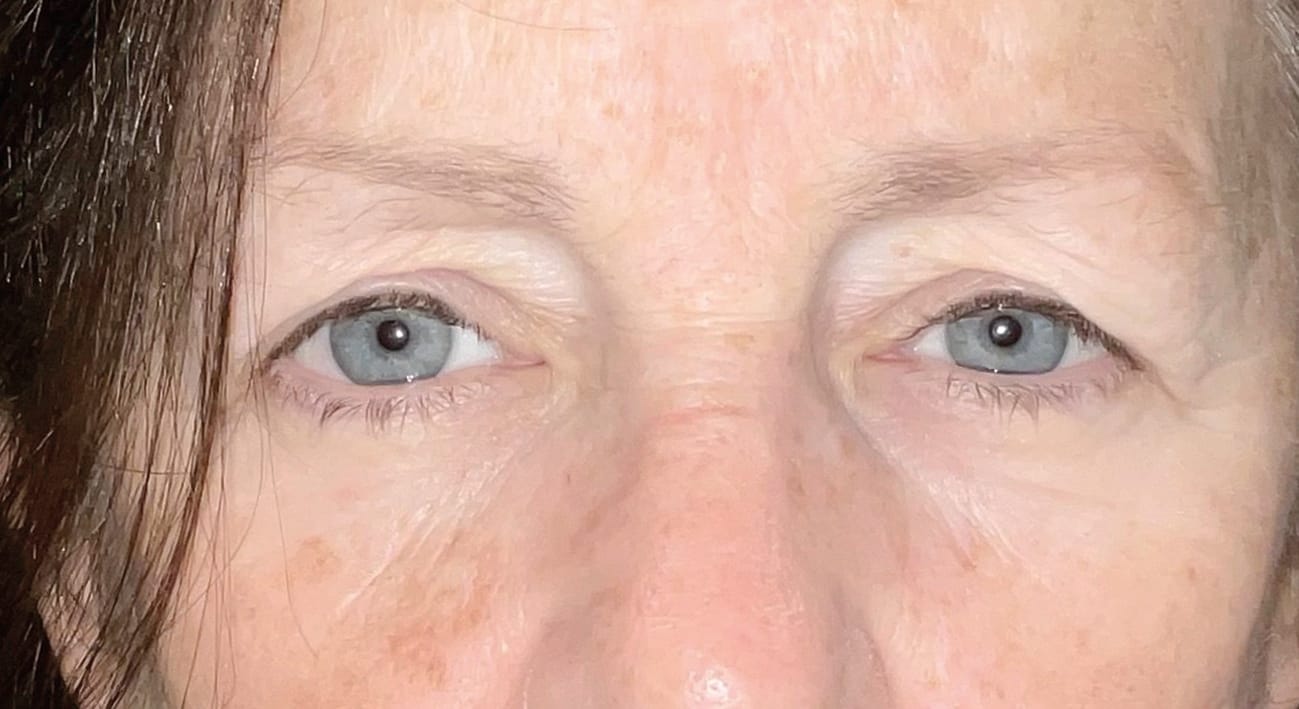
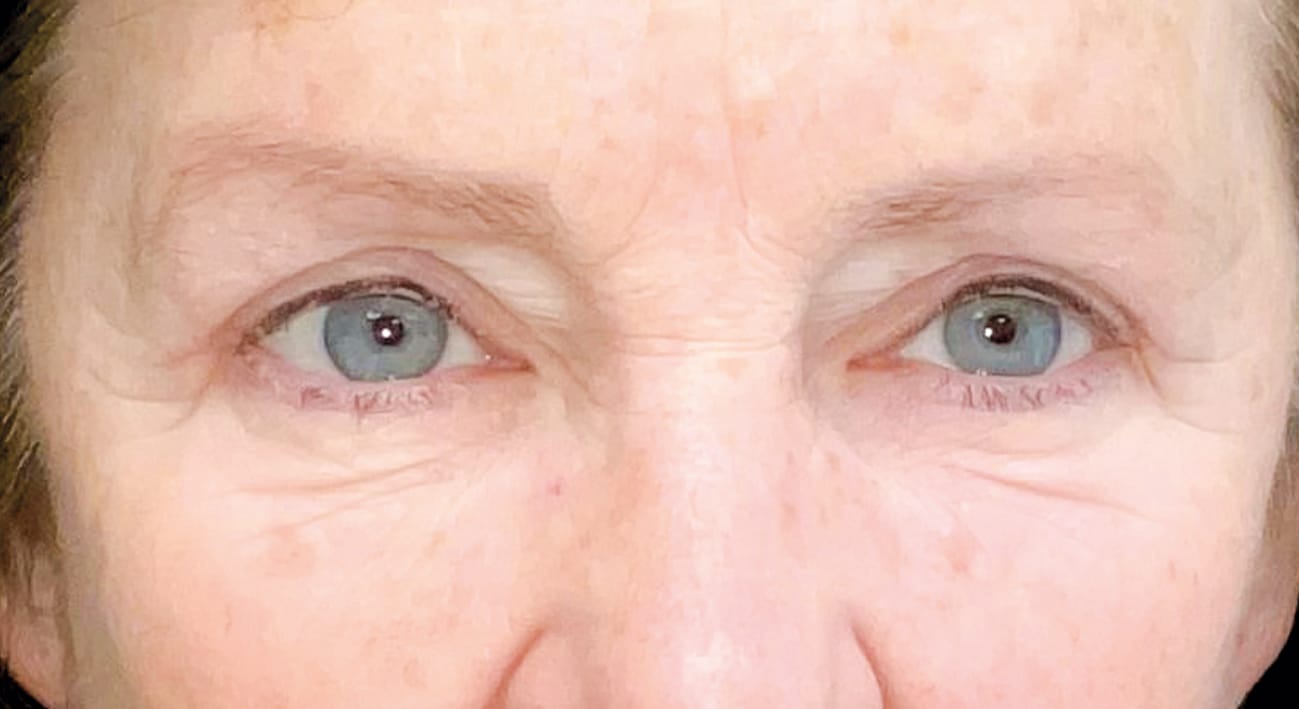
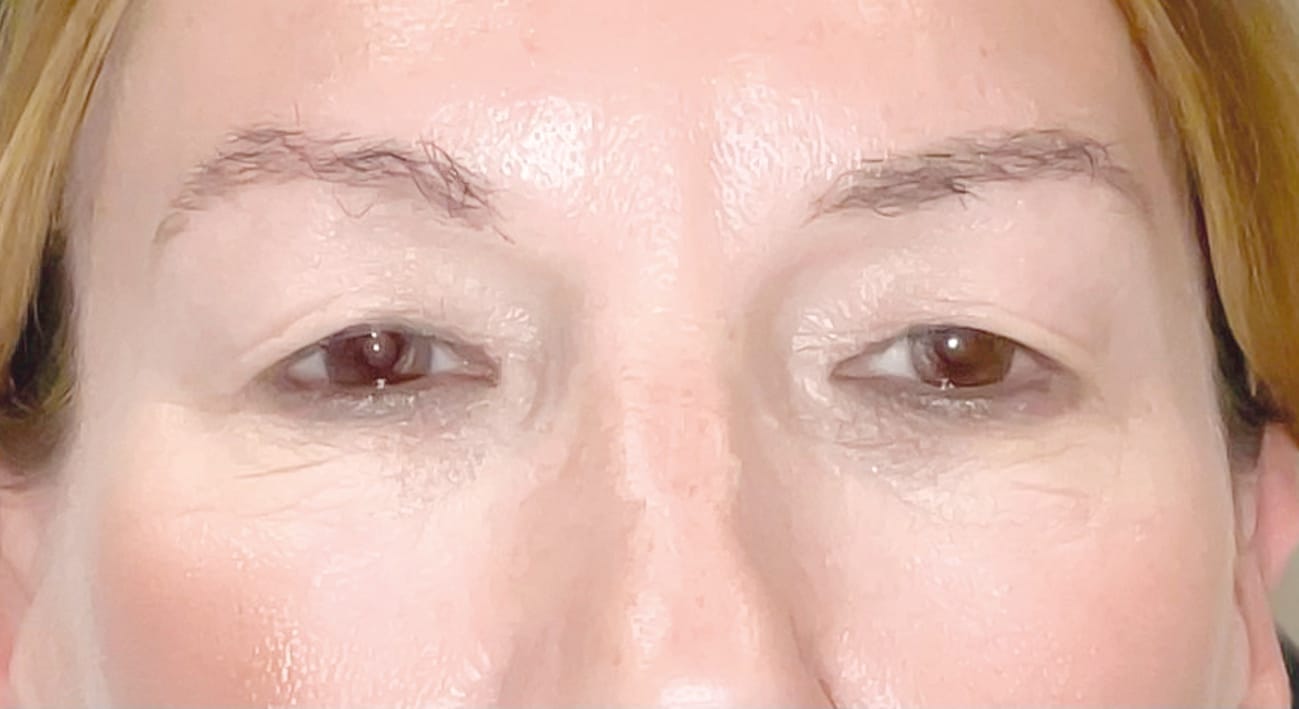
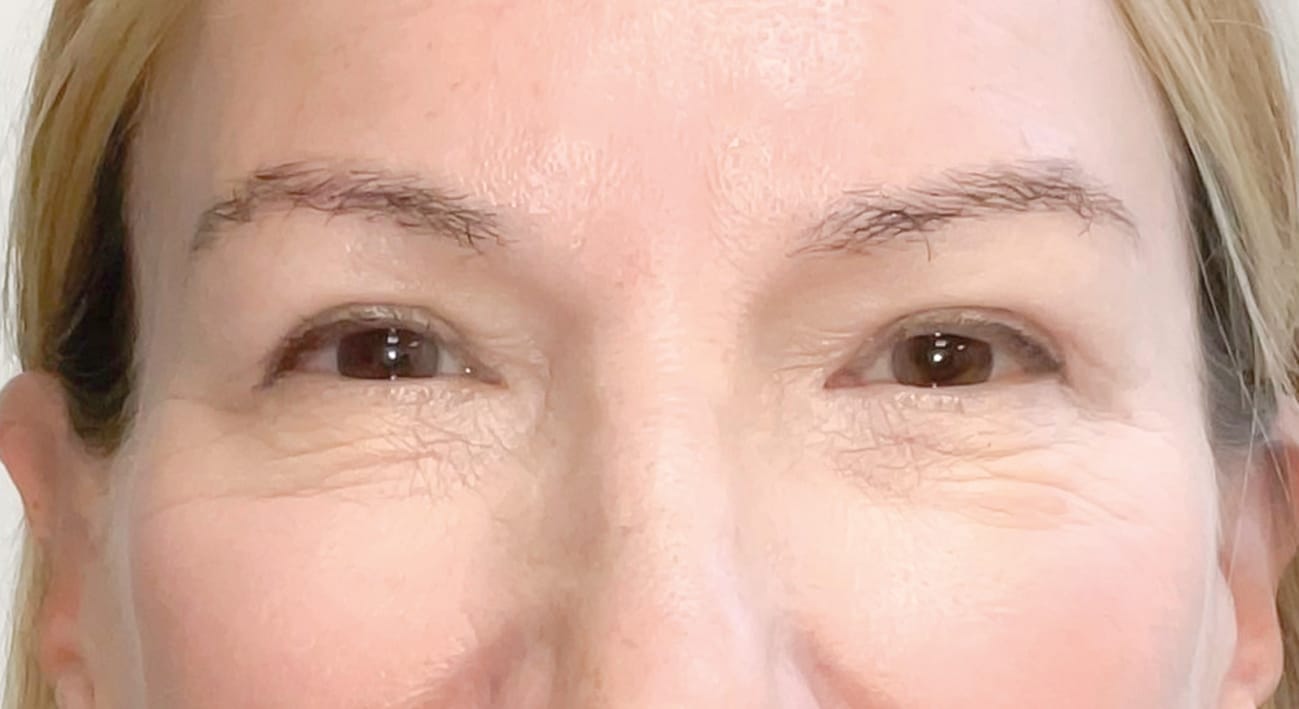
Before and After
These before-and-after images highlight the subtle yet transformative results that blepharoplasty can achieve. Our clients feel refreshed and rejuvenated, while maintaining their natural appearance.


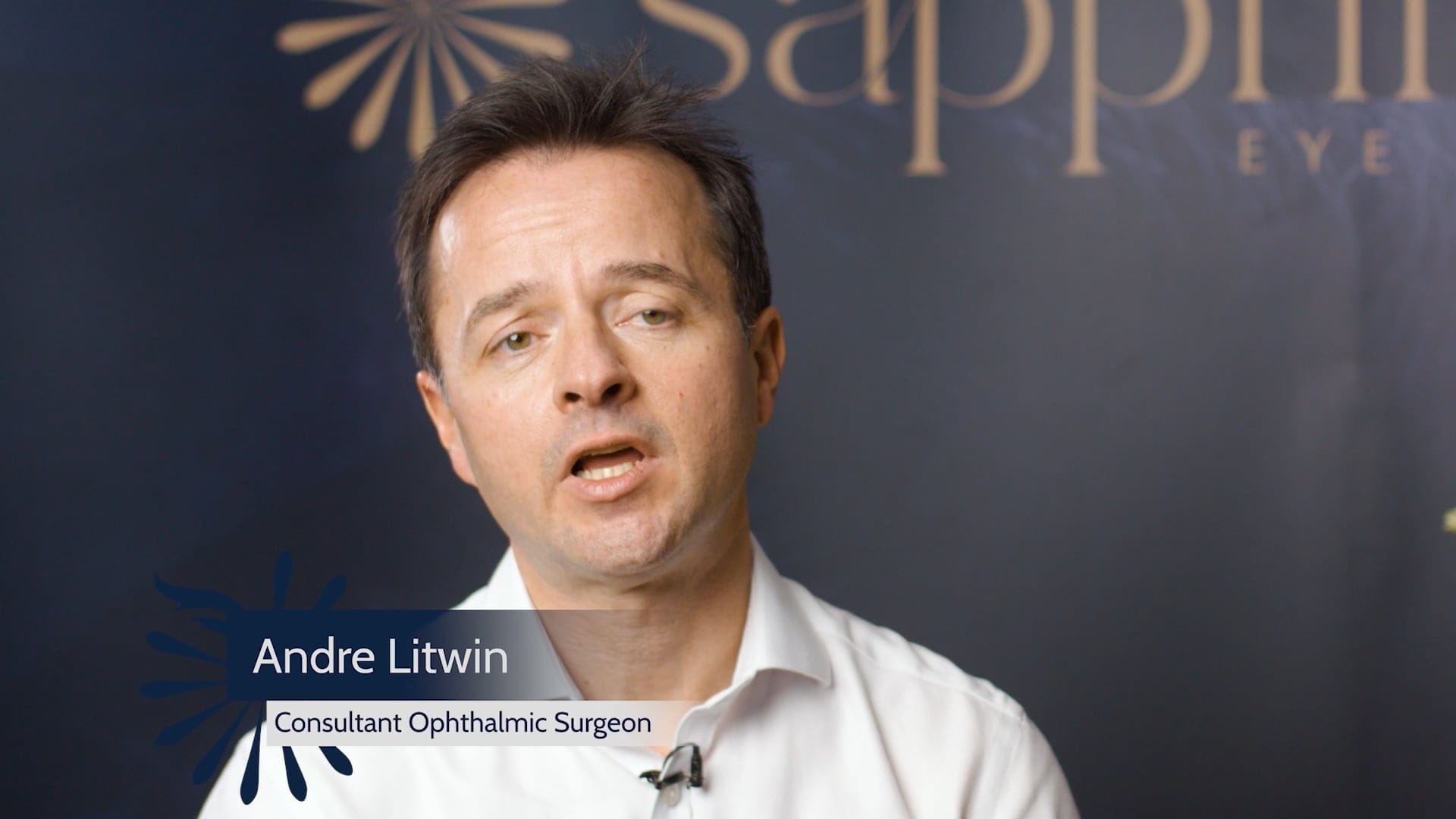
Expert video answers
Short expert videos designed to answer common questions patients ask before treatment.


Numbness, Tightness and Dry Eyes
Many patients experience temporary numbness or altered sensation around the lower eyelids following surgery.
This occurs because small sensory nerves are affected during the healing process and generally improves gradually over time.
A feeling of tightness is also common, particularly when smiling or making facial expressions during the first few weeks.
Some patients may additionally experience:
- Dry eyes
- Mild irritation
- Temporary watering
Lubricating eye drops or artificial tears can often help improve comfort while healing continues.
Most of these symptoms improve naturally as recovery progresses.
When Can I Return to Normal Activities?
One of the most common questions patients have before surgery is how quickly they can return to normal life.
While recovery timelines vary slightly between individuals, many patients resume everyday activities relatively quickly.
Driving
Patients should avoid driving until they feel comfortable, their vision is clear and they can safely perform an emergency stop. Many patients feel ready to drive again within approximately one week, although this varies between individuals.
Returning to Work
Many patients return to desk-based or non-physical work within 7–14 days depending on bruising, swelling and personal confidence levels.
Exercise and Gym
Strenuous exercise, heavy lifting, swimming and gym activity should generally be avoided for at least two to three weeks, as increased blood pressure can worsen swelling and bruising during the early stages of healing.
Wearing Make-Up
Most patients can usually resume wearing make-up around the eyes after approximately 10–14 days once healing has progressed appropriately. Your surgeon will advise when this is safe for you personally.
Contact Lenses
Contact lenses may need to be avoided temporarily while swelling and sensitivity settle.
Flying
Most patients can travel safely following recovery, although it is generally advisable to discuss specific travel plans with your surgeon before surgery.
How to Support Healing After Lower Blepharoplasty
There are several simple ways patients can help support a smooth recovery:
- Sleep with your head elevated during the first week
- Apply cold compresses as instructed
- Avoid rubbing or touching the eyes
- Wear sunglasses outdoors
- Avoid smoking where possible
- Follow all aftercare instructions carefully
- Attend follow-up appointments as advised
At Sapphire Eye Care, patients receive comprehensive aftercare guidance and ongoing support throughout the healing process.
When Should I Contact My Surgeon?
Although lower blepharoplasty is generally very safe when performed by experienced surgeons, patients should contact their surgical team if they experience:
- Severe or worsening pain
- Sudden swelling
- Bleeding
- Significant vision changes
- Signs of infection
- Concerns about eyelid position
Most recovery symptoms are mild and expected, however prompt review is important if anything feels unusual or concerning.
Why Consultant-Led Aftercare Matters
Lower blepharoplasty involves delicate surgery around one of the most complex areas of the face.
Choosing a clinic with ophthalmic expertise is therefore extremely important.
At Sapphire Eye Care, patients benefit from:
- Consultant-led treatment pathways
- Specialist oculoplastic expertise
- Comprehensive aftercare support
- A strong understanding of both functional and cosmetic outcomes
Our consultants understand not only the appearance of the eyelids, but also the importance of preserving eye comfort, blink function and ocular health throughout recovery.
Frequently asked questions
How long does swelling last after lower blepharoplasty?
Most swelling improves significantly during the first few weeks, although subtle swelling can continue improving for several months afterwards.
Is bruising worse after lower blepharoplasty than upper blepharoplasty?
Many patients experience more noticeable bruising following lower blepharoplasty because of the delicate tissues beneath the eyes. However, bruising typically improves steadily during the first two weeks.
Is numbness normal after lower eyelid surgery?
Yes. Temporary numbness or altered sensation around the lower eyelids is common and usually improves gradually as healing progresses.
When can I return to work after lower blepharoplasty?
Many patients return to desk-based work within 7–14 days, depending on swelling, bruising and personal confidence levels.
When will I see my final result?
Most patients see a significant improvement within several weeks, however final healing and tissue settling can continue for several months.
Will I have visible scars?
Incisions are carefully planned to minimise visible scarring. Depending on the surgical technique used, scars are often hidden just below the lash line or inside the eyelid.
Can lower blepharoplasty help eye bags permanently?
Lower blepharoplasty can provide long-lasting improvement in the appearance of eye bags and puffiness. While the natural ageing process continues, results are generally very sustainable.
At which locations does Sapphire Eye Care offer blepharoplasty surgery?
Incisions are carefully planned to minimise visible scarring. Depending on the surgical technique used, scars are often hidden just below the lash line or inside the eyelid.
Book a Free Online Consultation or Immediate Callback
If you are considering lower blepharoplasty surgery and would like personalised advice about recovery, aftercare and expected results, our specialist team are here to help.
Book a Free Online Consultation or Request a Free Callback to discuss your treatment options with our expert Sapphire Eye Care team.

Medically reviewed by Andre Litwin
Consultant Ophthalmic Surgeon.
Medically Reviewed, June 2026
Arrange A Free Callback