Oculoplastic Surgery
Private Cataract Surgery Berkshire
Consultant-Led Private Cataract Surgery in Berkshire with Premium Lens Options.
- ✔Remove cataracts and restore clearer vision
- ✔Fast access to renowned consultant-led care without waiting lists
- ✔Premium lens options tailored to your lifestyle and vision goals
- ✔Same expert consultant ophthalmic surgeon from consultation to aftercare
- ✔Advanced cataract surgery using latest techniques & modern 5-star clinics
- ✔Top-rated provider on consumer comparison sites like Doctify
Private Cataract Surgery at The Forbury Clinic in Berkshire
Patients from across Berkshire can access consultant-led private cataract surgery at Sapphire Eye Care at The Forbury Clinic in Reading. Located at 23 Craven Road, Reading, RG1 5LE, the clinic provides a convenient Berkshire location for patients seeking specialist cataract treatment, advanced diagnostic assessment and personalised intraocular lens options.
- By car: The Forbury Clinic is well positioned for patients travelling from across Berkshire, with Reading accessible via major routes including the M4, A33 and A329. Patients regularly travel to the clinic from areas including Wokingham, Bracknell, Newbury, Maidenhead and surrounding Berkshire communities.
- Parking: Free on-site parking is available at The Forbury Clinic on Craven Road, helping make your arrival straightforward and convenient when travelling for your consultation or treatment.
- Public transport: Reading is well connected by rail, with regular services from towns across Berkshire and the wider Thames Valley. Patients arriving at Reading railway station can complete their journey to the Craven Road clinic by taxi or local transport.
- Nearby areas served: Reading, Wokingham, Bracknell, Newbury, Maidenhead, Windsor, Crowthorne, Woodley, Twyford, Pangbourne and communities throughout Berkshire and the Thames Valley.
On-site parking
Consultant-led care
Premium private facilities
Clinic details
Sapphire Eye Care The Forbury Clinic, Berkshire
Craven Road, 23, Reading, England, RG1 5LE, United Kingdom
03330 344955
Appointments and enquiries
Why patients choose us
Consultant-led care, premium patient journey and comprehensive follow-up support.
What is Private Cataract Surgery?
Private cataract surgery provides patients across Berkshire with an effective way to restore clearer vision by removing the eye’s cloudy natural lens and replacing it with a carefully selected artificial intraocular lens (IOL). For suitable patients, advanced premium lens technologies may also improve vision across different distances and reduce reliance on glasses for everyday activities. At Sapphire Eye Care’s The Forbury Clinic in Reading, your consultant ophthalmic surgeon will assess your prescription, overall eye health and visual requirements using advanced diagnostic technology before recommending a personalised treatment and lens plan that reflects your lifestyle and long-term vision goals.
Private Cataract Lens Options at The Forbury Clinic Clinic in Reading

Standard Monofocal Lenses
Monofocal intraocular lenses (IOLs) provide sharp, high-quality vision at a single focal distance. They are a well-established choice for cataract surgery and can be selected to prioritise either distance or near vision according to your individual eyesight and everyday visual needs.

Multifocal & Trifocal Lenses
Multifocal and trifocal intraocular lenses are premium lens options designed to improve focus across near, intermediate and distance vision. For suitable patients, they can provide greater visual flexibility for activities such as reading, computer use and driving, while significantly reducing reliance on glasses.

Extended Depth of Focus (EDOF) Lenses
Extended Depth of Focus (EDOF) lenses use advanced optical technology to create a broader, continuous range of clear vision. Offering particularly strong distance and intermediate performance while maintaining excellent contrast and image quality, EDOF lenses can help suitable patients achieve greater spectacle independence after cataract surgery.
Is Private Cataract Surgery Suitable for You?
Your eyesight has become increasingly cloudy or blurred because of cataracts
Bright lights, glare or driving after dark have become more challenging
You want to improve your vision for reading, driving, hobbies and everyday life
You prefer continuity of care with the same consultant ophthalmic surgeon throughout your treatment
You're interested in premium intraocular lens options that may reduce your dependence on glasses
Quick answer
Private cataract surgery improves vision by replacing the eye’s cataract-affected natural lens with a clear artificial intraocular lens (IOL). The procedure is tailored to your individual eyesight, and suitable patients may also benefit from advanced premium lens technologies designed to provide clearer vision across multiple distances. Depending on the lens selected, treatment can help reduce reliance on glasses and provide greater visual independence for everyday activities.
Video library
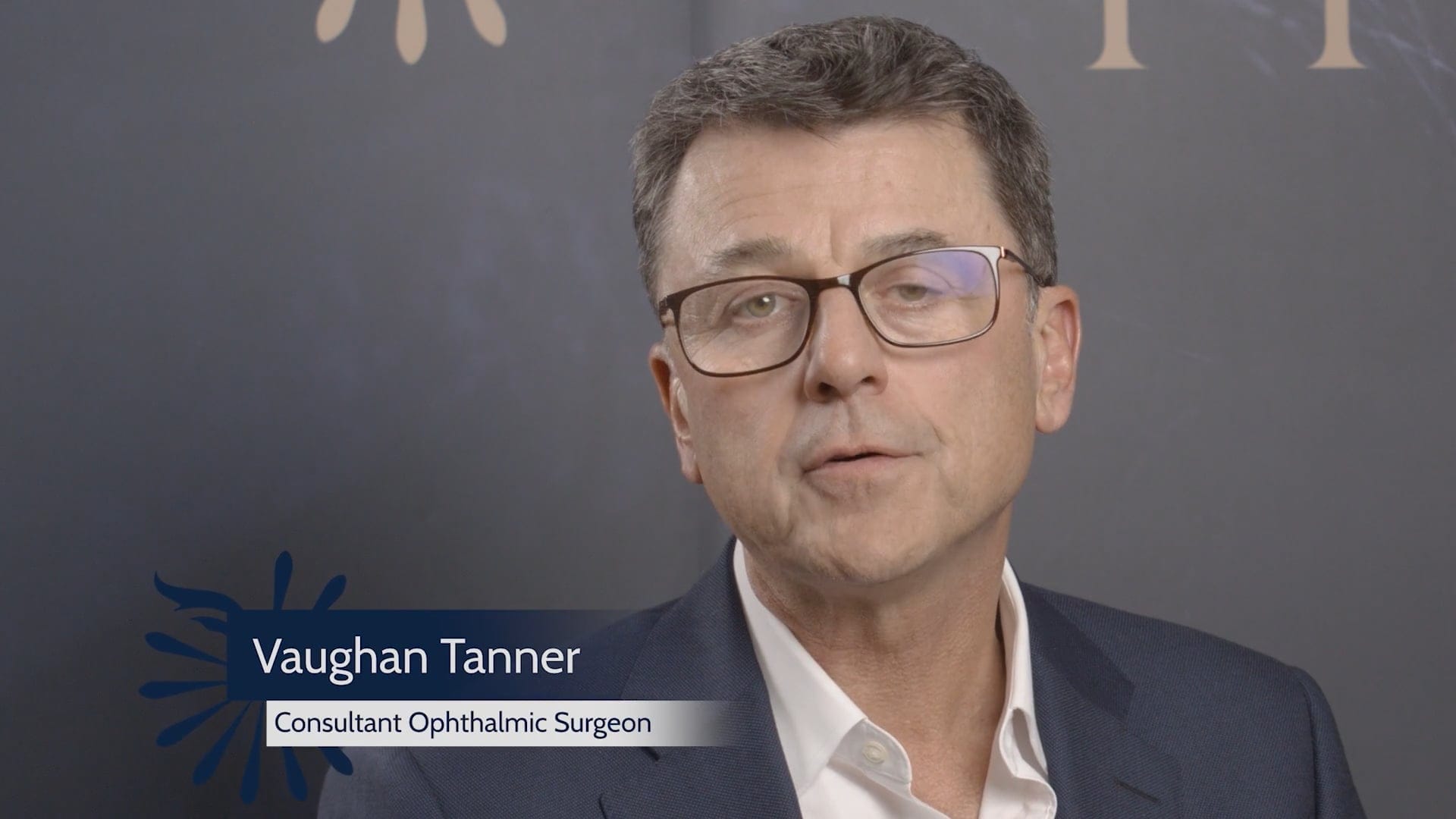
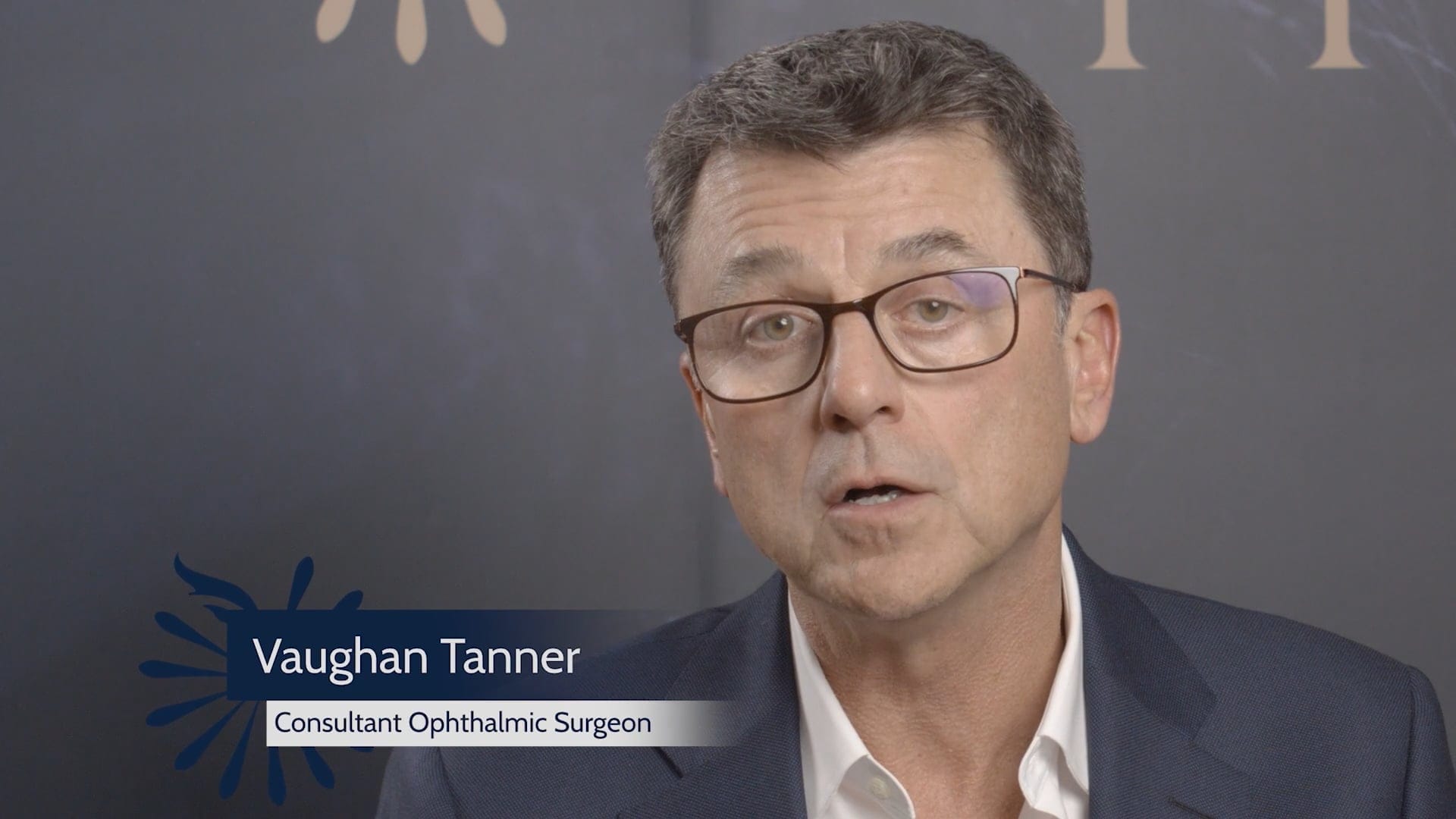
Hear from our surgeons
Short expert videos designed to answer common questions patients ask before treatment.


Your Private Cataract Journey with Sapphire Eye Care
We support patients from Berkshire at every stage, from first enquiry and consultation through to surgery, recovery and aftercare.
Priority Booking
Our team helps arrange your next steps quickly, with online booking and prompt support.
A Warm Welcome
Your consultation is designed to be reassuring, tailored and focused on your needs.
Personalised Planning
We build a treatment plan around your anatomy, lifestyle and desired outcome.
Procedure Day
Specialist-led surgery takes place in a premium medical environment with expert support.
Aftercare
Follow-up appointments and recovery guidance help support healing and results.
Why Choose Sapphire Eye Care for Private Cataract Surgery in Berkshire?
Consultant-Led Cataract Care
Experienced consultant ophthalmic surgeons providing personalised care from consultation through to surgery and aftercare.
Premium Lens Options
Access to monofocal, multifocal and extended depth of focus (EDOF) lenses tailored to your vision and lifestyle goals.
Fast Access To Treatment
Avoid lengthy waiting lists with prompt consultations, diagnostics and surgery appointments.
Advanced Surgical Technology
Modern cataract surgery performed using latest techniques and state-of-the-art diagnostic equipment.
Top Rated Provider
We offer premium private cataract surgery, top rated by leading patient comparison website Doctify.
Five-Star Rated Clinics
Enjoy treatment in five-star rated private clinics designed to provide exceptional comfort, modern technology and personalised care.
NHS Cataract Surgery vs Premium Private Cataract Surgery
NHS Cataract Surgery
- Access to NHS cataract surgery is determined by local referral pathways and an assessment of your clinical needs.
- The time between referral and treatment can vary depending on waiting lists, demand and capacity within local NHS ophthalmology services.
- Standard monofocal intraocular lenses (IOLs) are routinely used, typically providing clear vision at one selected focal distance.
- The range of intraocular lens options available through standard NHS treatment is generally more limited than with private cataract surgery.
- Post-operative reviews and ongoing aftercare are normally provided through your local NHS eye care service.
- Premium intraocular lenses, including options designed to improve vision across multiple distances and reduce reliance on glasses, are not routinely offered as part of NHS-funded cataract surgery.
Private Cataract Surgery at Sapphire Eye Care
- Fast access to consultations, diagnostics and treatment
- Renowned consultant-led care from consultation through to aftercare
- Access to advanced monofocal, multifocal, trifocal and EDOF lens options
- Options to reduce or remove dependency on glasses
- Five-star rated private facilities and comfortable surroundings
- Personalised treatment recommendations tailored to your lifestyle and vision goals
Meet Our Surgeons

Memberships
European Society of Retina Specialists – Euretina
Fellow of Royal College of Ophthalmologists
American Academy of Ophthalmology
British Medical Association
European Society of Cataract and Refractive Surgery
UKISCRS
British and Eire Association of Vitreoretinal Surgeons
Medical Defence Union
European Vitreo-Retinal Society
What Our Patients Say
What Patients Say About Private Cataract Surgery At Sapphire Eye Care
Private Cataract Surgery Berkshire FAQs
Who is private cataract surgery suitable for?
Cataracts can gradually interfere with the quality of your eyesight, making everyday activities such as reading, driving and recognising fine detail more challenging. Symptoms may include cloudy or blurred vision, increased sensitivity to glare and difficulty seeing clearly in certain lighting conditions. During a private cataract consultation, your consultant ophthalmic surgeon will carefully assess your eye health, prescription and visual needs to determine whether surgery is appropriate and recommend a treatment plan tailored to your lifestyle and long-term vision goals.
To see if private cataract surgery could be a good option for you, book a Free Online Consultation with us.
What are the first signs and symptoms of cataracts?
Cataracts tend to develop gradually as the natural lens inside the eye becomes less transparent. You may begin to notice that your vision appears blurred or misty, bright lights cause more glare, colours look less vivid or seeing clearly at night becomes more difficult. Everyday activities such as reading, driving, watching television or recognising faces can also become increasingly challenging as a cataract progresses.
What happens during private cataract surgery?
Private cataract surgery involves removing the cloudy natural lens responsible for reduced vision and replacing it with a clear artificial intraocular lens (IOL). The procedure is performed by a consultant ophthalmic surgeon, usually under local anaesthetic, using modern microsurgical techniques. Cataract surgery is generally carried out as a day-case procedure, so you can normally return home later the same day.
How long will I need to spend at The Forbury Clinic?
The cataract procedure itself typically takes around 20–30 minutes per eye, but you should expect to spend longer at the clinic. Additional time is required for admission, preparation and recovery before you are ready to leave. You’ll also receive detailed aftercare instructions, including guidance about your prescribed eye drops, recovery and follow-up appointments.
How will my consultant decide which cataract lens is right for me?
Choosing the most appropriate intraocular lens is an important part of planning your cataract treatment. Your consultant will consider your prescription, overall eye health, lifestyle, occupation and the type of vision you would ideally like after surgery. Sapphire Eye Care offers a range of lens technologies, including monofocal, multifocal, trifocal and Extended Depth of Focus (EDOF) lenses. Your consultant ophthalmic surgeon will explain which options are clinically suitable and recommend a lens based on your individual visual priorities.
How much does private cataract surgery cost?
The cost of private cataract surgery will depend on your individual treatment requirements and the type of intraocular lens recommended. Following your consultation and diagnostic assessment, you’ll receive a personalised treatment plan together with a clear quotation explaining the associated costs. You can also learn more on our Private Cataract Surgery Costs page.
Can cataract surgery reduce my dependence on glasses?
For many patients, cataract surgery can provide greater freedom from glasses, although the degree of spectacle independence varies from person to person. Premium intraocular lenses may allow suitable patients to see clearly across a broader range of distances, while other patients may still prefer or require glasses for particular activities. Your consultant will discuss the likely outcome based on your prescription, eye health and chosen lens.
Why choose Sapphire Eye Care for private cataract surgery in Berkshire?
Patients across Berkshire can access consultant-led cataract care at Sapphire Eye Care at The Forbury Clinic in Reading. Treatment is individually planned, with continuity of care from an experienced consultant ophthalmic surgeon, prompt access to private treatment and a broad choice of advanced intraocular lens technologies. This allows your cataract treatment and lens selection to be tailored around your eyesight, lifestyle and longer-term visual goals.
Is parking available at The Forbury Clinic in Reading?
Yes. Free on-site parking is available for patients attending The Forbury Clinic at 23 Craven Road, Reading, providing a convenient option for those travelling by car from across Berkshire and the surrounding Thames Valley.
Do I need someone to take me home following cataract surgery?
Yes. You should arrange for a relative, friend or companion to take you home following your procedure, as your vision may be temporarily affected immediately afterwards. Before leaving the clinic, you’ll receive clear instructions about your eye drops, protecting the treated eye, your recovery and any planned follow-up care.
How soon can I drive and return to everyday activities?
Recovery differs between individuals, although many patients notice their vision beginning to improve during the first few days. You should not resume driving until your eyesight satisfies the legal driving requirements and your consultant has advised that it is safe to do so. Most routine activities can be gradually reintroduced in line with the personalised aftercare advice you receive.
How quickly can I arrange a private cataract consultation in Berkshire?
Patients from Reading and across Berkshire can usually arrange a private cataract consultation at Sapphire Eye Care at The Forbury Clinic without a lengthy wait. Your appointment will include a detailed assessment of your eyesight and eye health, together with a discussion about your symptoms, lifestyle and visual expectations. Your consultant ophthalmic surgeon can then explain the available intraocular lens options and recommend a personalised treatment plan based on your individual needs.
What should I expect after surgery?
- After surgery you may experience some pain. Simple paracetamol is usually enough to control this.
- The eyelids will be a bruised and swollen. Bruising will take approximately 2 weeks to settle. Swelling is greatly reduced after 2 weeks but may not completely resolve for several months.
- Some people report not feeling ‘back to normal’ for up to 6 months after surgery.
- Initially it may feel difficult for you to close your eyelids and this will be managed with eye ointments.
- It is important not to have surgery too close to important events, in case you have not fully recovered in time.
What is Dermatochalasis?
- Dermatochalasis is excess of eyelid skin. It can present as an extra fold of skin, which may overhang the upper eyelashes.
- It is caused by the skin loosing its elasticity, usually due to age but is also seen in some medical conditions such as Thyroid related.
- It may be associated with prolapse of orbital fat causing the eyelid to bulge (eye bags). This may occur in the upper or lower eyelid.
- The lower lid may be lax or loose, which may cause it to sag or hang lower than in youth.
What is Blepharoplasty Surgery?
- A blepharoplasty is an operation to rejuvenate the eyelids and in some cases can improve vision where excess skin is obscuring it.
- It usually involves removal of excess eyelid skin.
- Depending on an individual, muscle or fat underlying the skin may also be removed, repositioned or tightened surgically.
- The procedure can be carried out in the upper or lower eyelid
Upper eyelid blepharoplasty:
- At the beginning of the operation the amount of skin to be removed will be carefully assessed. Marks will be drawn on the eyelid with a sterile marking pen to assist the surgeon during the procedure.
- The incision is based in the skin crease of the upper lid, which helps to minimise any sign that you have had upper lid surgery.
- After this, local anaesthetic will be injected under the skin of the eyelid and excess skin is then removed.
- Depending on your particular needs, the muscle beneath the skin may be preserved or partially removed.
- If there is fat prolapse, this may be treated with partial fat removal or repositioning.
- Sutures are placed to reform the natural skin crease in the eyelid.
- The skin edges are sutured together with either a continuous suture that is removed one week later or absorbable sutures that will naturally fall out after 2-3 weeks.
- It may be performed alone or in conjunction with other procedures such as lower eyelid surgery, ptosis surgery or brow surgery.
Lower eyelid blepharoplasty:
- There are several elements to lower lid blepharoplasty: skin, muscle, fat and eyelid laxity. The procedure will be tailored to your needs.
- Fat prolapse in the lower eyelid gives the appearance of ‘eye bags’. This fat can be excised or repositioned over the orbital rim to create a smoother transition from the eyelid into the cheek.
- Surgery on the prolapsed fat may be done without a skin incision from the inside of the eyelid – transconjunctival or via a skin incision just beneath the eyelashes – transcutaneous.
- The lower eyelid usually needs to be tightened at the time of surgery. Even a small amount of lid laxity can lead to postoperative lower lid retraction or ectropion if not addressed at the time of surgery.
- The orbicularis muscle, which lies directly beneath the skin is often tightened by placing sutures from it to the bony rim of the orbit – ‘orbicularis suspension’.
- Lower eyelid skin is excised in much smaller amounts than in the upper lid. This is to avoid the unwanted side effect following surgery of eyelid retraction.
What are the risks?
- Bleeding and bruising.
- Over or under correction of excess skin with the potential for residual bulging after surgery. Under correction does not usually necessitate revision surgery and is relatively common and preferable to over correction. Over correction results from removal of too much eyelid skin and/or fat with a resultant cosmetic sunken appearance to the eyelids after blepharoplasty).
- Asymmetry of the shape of the eyelids.
- Dry eye requiring the use of artificial teardrops temporarily blurred vision, which is usually temporary.
- Weak or limited eyelid blink (occurs due to excessive scarring)
- Weak or limited eyelid closure (especially at night)
- Should the cornea break down, partial closure of the eye with sutures may be necessary to protect it. Further corrective surgery may be necessary.
- Recurrence of excess skin/bag.
- The need for further eyelid surgery in the future.
- Cysts or whiteheads along suture sites.
- Temporary patches of numbness of the eyelids.
- Orbital haemorrhage with a potential for permanent visual loss
- Infection
- Scarring, or persistent eyelid swelling, and other unusual skin changes, especially in patients with thin sensitive skin, are extremely rare complications.
Crow’s feet are not generally improved by blepharoplasty. Smile lines are not improved by blepharoplasty and may change after surgery. In addition to the risks specific to the individual procedure, there are also general risks, such as blood loss, infection, cardiac arrest, airway problems and blood clots, which are associated with any surgical procedure. Local anaesthetic may cause bruising or possible allergic responses. If your operation is to be carried out under general anaesthetic, the anaesthetist will discuss this with you.
What are the benefits?
- Both eyelid dermatochalasis and eyebrow ptosis may reduce the visual field due to the hooding of skin over the eyelid; surgery can therefore improve visual function and relieve some headaches.
- It also will improve the appearance of the eyes with a fresher more awake look.
What are the alternatives?
If you choose not to have this surgery, the appearance and symptoms caused by the excess skin or fat is not likely to improve and may worsen over time, although this will not have any permanent detrimental effect on your vision or general health.

Medically reviewed by Vaughan Tanner
Consultant Ophthalmic Surgeon
Medically Reviewed, August 2026
Book a Free Online Consultation or Request a Callback

- Takes just 30 seconds
- No obligation
- Free phone consultation from the comfort of your own home
Arrange A Free Callback Today
We’ll call you right back to discuss your needs and arrange a no obligation, free online consultation