Cataracts
What are the treatments for cataracts?
Duration 0:48
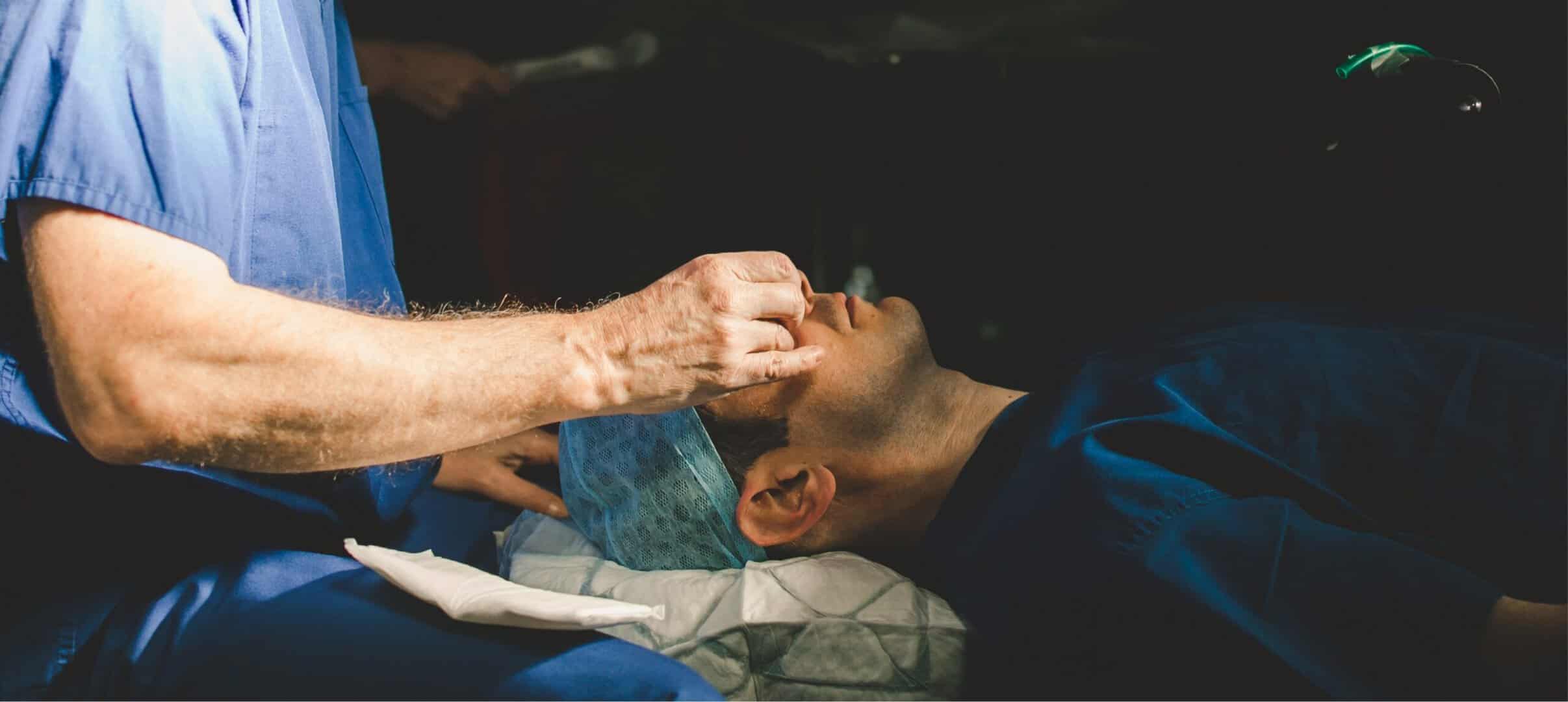
Vaughan Tanner, Consultant Ophthalmic Surgeon, explains that cataracts are typically treated with phacoemulsification which is a safe, advanced procedure using ultrasound to break up the cloudy lens. The cataract is removed through a tiny 2mm incision and replaced with a folded artificial lens to restore clear vision. Book a consultation to learn more about your treatment options.

Vaughan Tanner, Consultant Ophthalmic Surgeon, explains that cataracts are typically treated with phacoemulsification which is a safe, advanced procedure using ultrasound to break up the cloudy lens. The cataract is removed through a tiny 2mm incision and replaced with a folded artificial lens to restore clear vision. Book a consultation to learn more about your treatment options.
Make an enquiryTranscript
The main treatment for cataract is removal via a surgical procedure. Procedure has developed massively in recent years and is much safer and carried out through smaller incisions, often around 2mm in size. Procedure is usually known as phacoemulsification, which is a method of using ultrasound power to break up the lens, allowing the cataracts to be removed through the small incision. And then a small lens rolled up and inserted through the same size incision to replace the focusing power lost when the cataract or the natural lens is removed from the eye.