Eye bags and dark circles can have different underlying causes. Understanding whether your concerns are due to excess skin, protruding fat, pigmentation or hollowing is essential when considering treatment options.
Many people use the terms eye bags, dark circles and tired-looking eyes interchangeably. However, while these concerns may appear similar, they are often caused by very different factors.
This distinction is important because not all under-eye concerns can be corrected with blepharoplasty surgery.
At Sapphire Eye Care, one of the most common conversations we have during consultations is helping patients understand exactly what blepharoplasty can improve and where other factors may be contributing to the appearance of the eyes. Lower blepharoplasty can be highly effective for treating eye bags and excess skin - it can significantly improve dark circles caused by shadowing from prominent eye bags, although other causes such as pigmentation, hollowing and vascular changes usually require different approaches.
Understanding the difference can help you make informed decisions and develop realistic expectations about the results that surgery may achieve.


Why The Under-Eye Area Can Be Difficult To Understand
The area around the eyes is one of the most complex parts of the face.
When patients describe concerns such as:
- Eye bags
- Dark circles
- Under-eye wrinkles
- Hollow eyes
- Tired-looking eyes
they are often referring to several different issues occurring at the same time.
Changes around the eyes can be caused by:
- Protruding fat pads
- Excess skin
- Volume loss
- Pigmentation
- Visible blood vessels
- Skin quality changes
- Ageing of surrounding facial structures
Because these factors can create similar visual effects, it is not always obvious what is causing the problem without specialist assessment.
This is one reason why a detailed consultation is so important before considering treatment.
What Are Eye Bags?
Eye bags are one of the most common reasons patients seek lower blepharoplasty.
They typically occur when the tissues supporting the fat around the eyes weaken over time. As these supporting structures relax, the fat can begin to protrude forward beneath the lower eyelid.
This can create:
- Puffiness beneath the eyes
- Bulging lower eyelids
- A tired appearance
- A heavier-looking eye area
Eye bags are often more noticeable when:
- Tired
- Stressed
- Following poor sleep
- As part of the ageing process
Unlike temporary puffiness, true eye bags are generally structural in nature and do not usually improve significantly with creams or skincare products alone.
Can Blepharoplasty Improve Eye Bags?
In many cases, yes.
Lower blepharoplasty is often highly effective for improving eye bags caused by protruding fat and excess lower eyelid tissue.
Depending on the patient’s anatomy, surgery may involve:
- Removing excess skin
- Repositioning fat
- Removing selected fat deposits
- Improving lower eyelid contour
The result is often a smoother transition between the lower eyelid and cheek, helping patients appear less tired and more refreshed.
Many patients find that eye bags are one of the concerns most effectively addressed by lower blepharoplasty.
Importantly, the improvements achieved are typically long-lasting because the underlying structural cause of the eye bags has been treated.
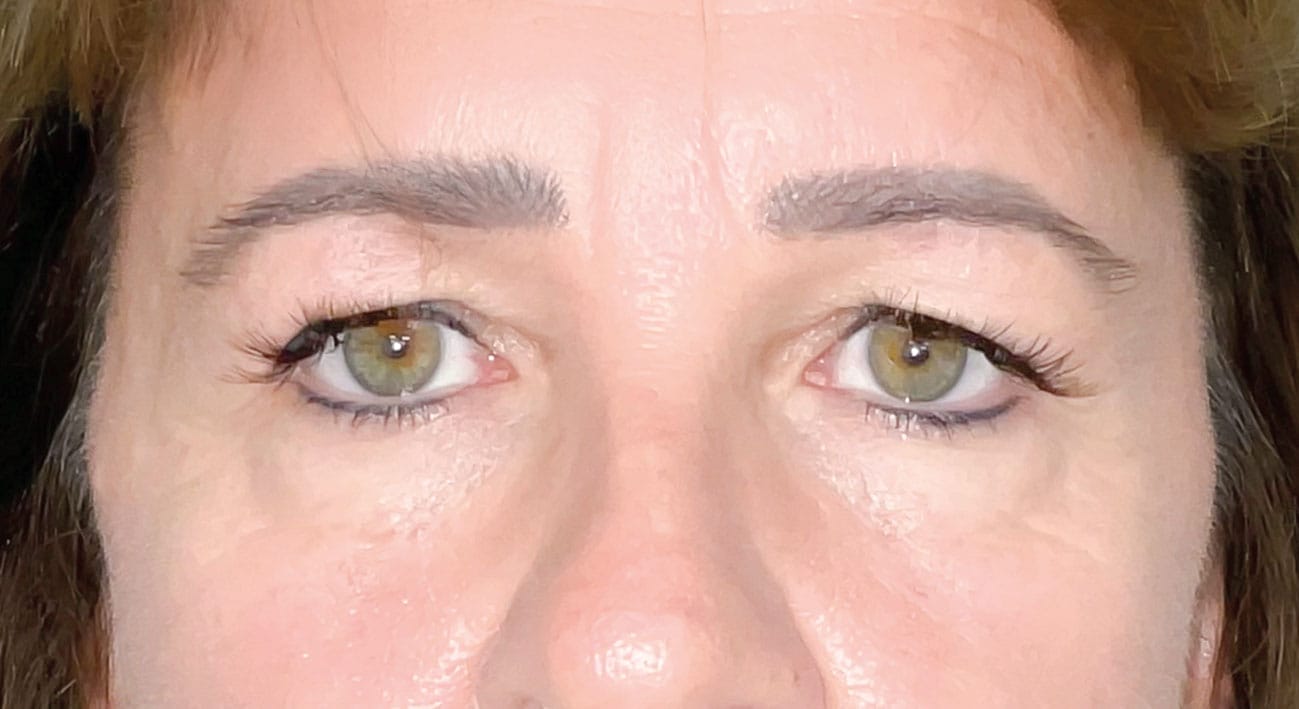
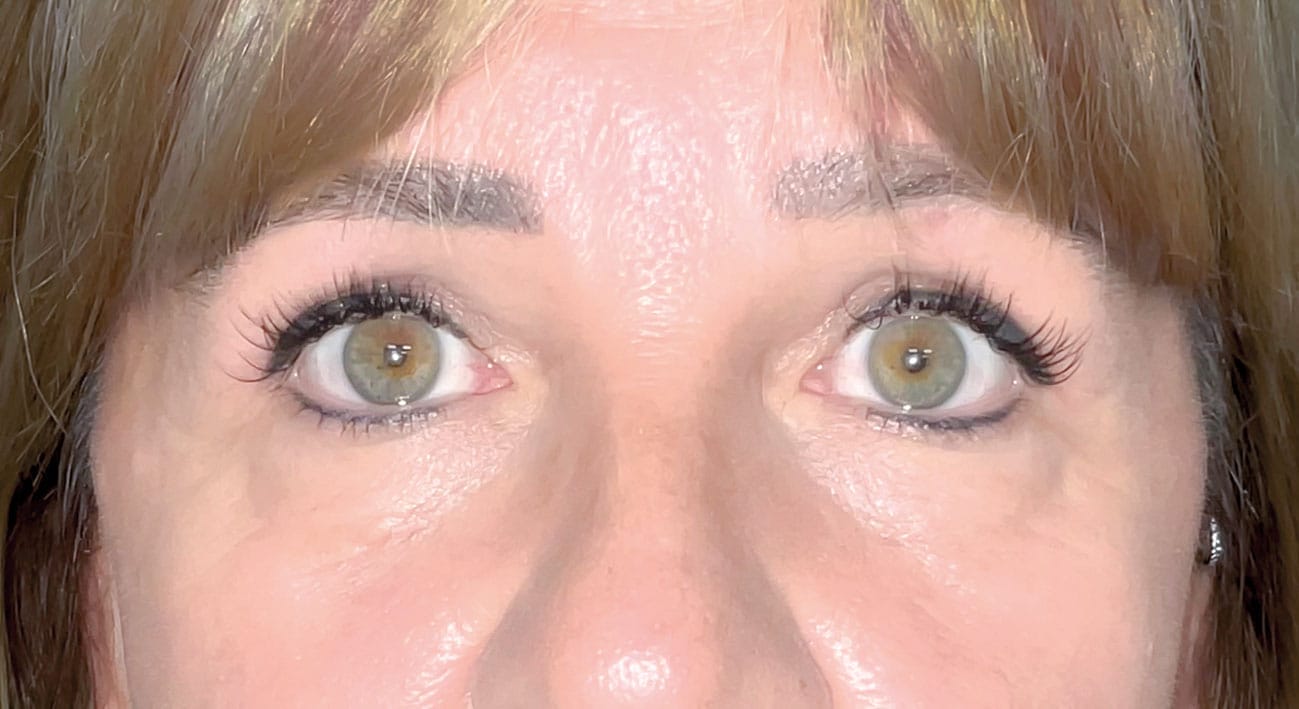
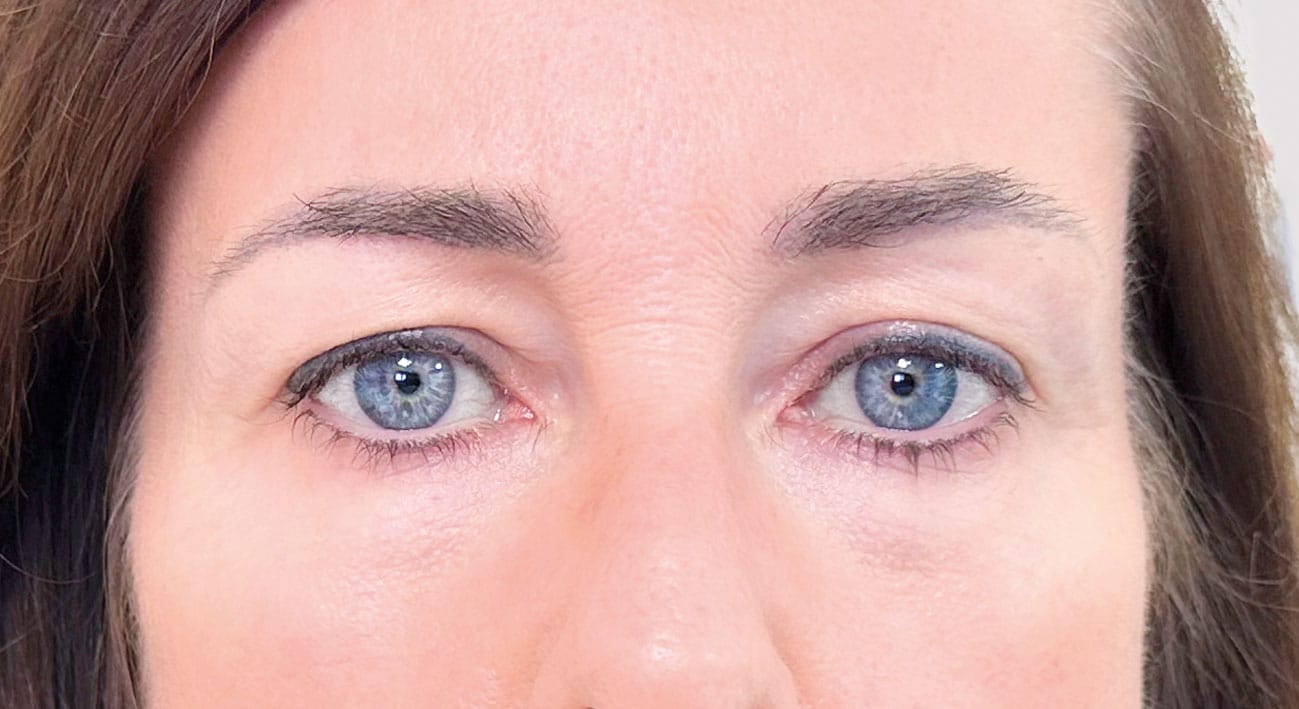
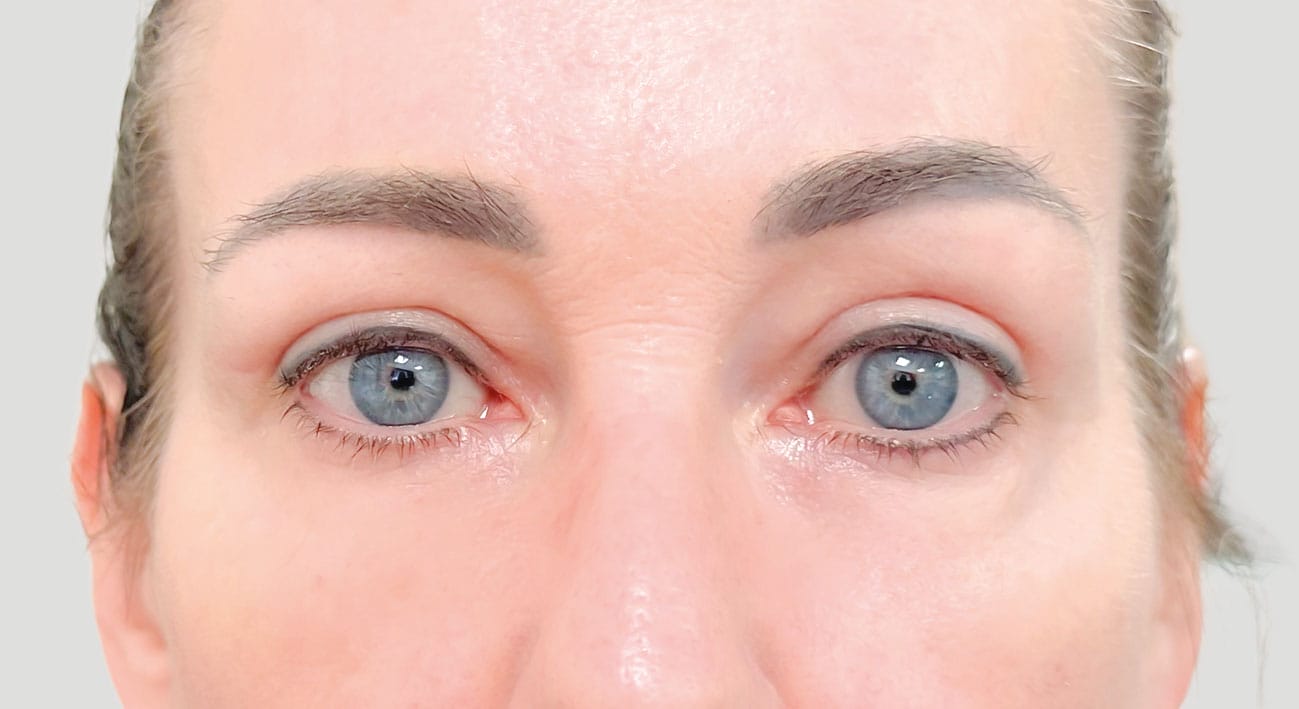
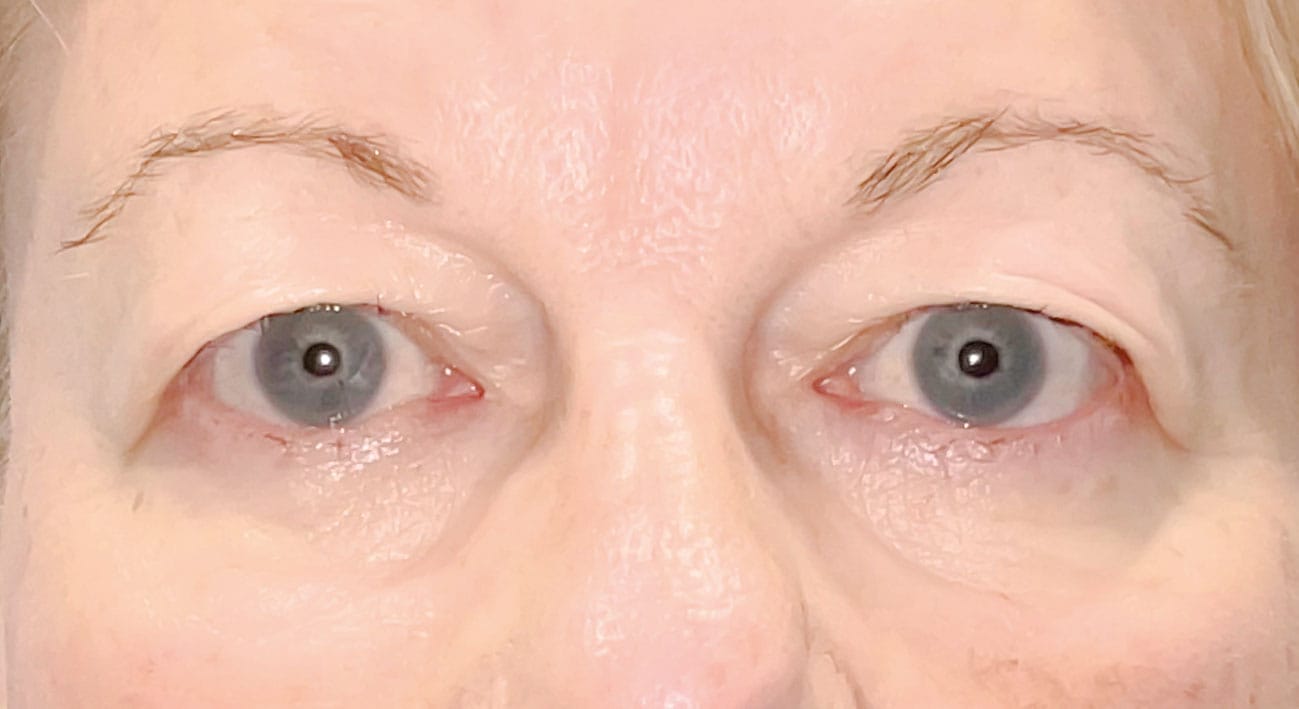
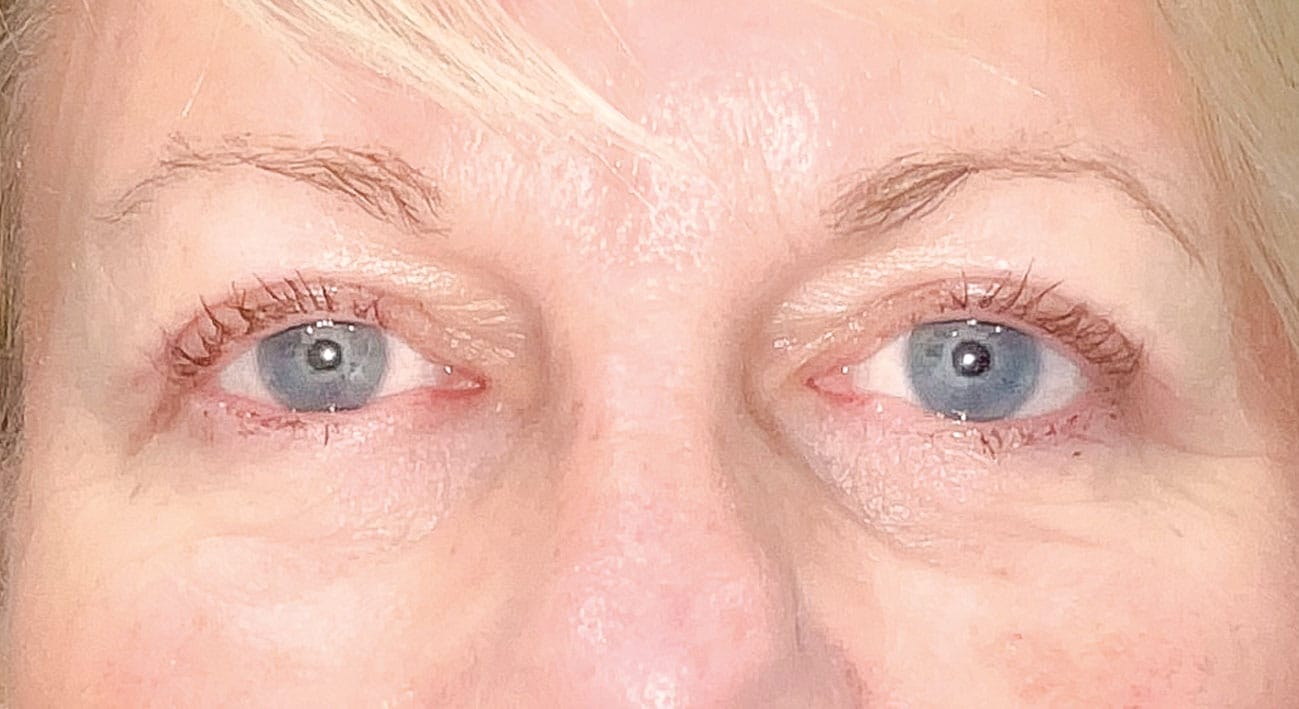
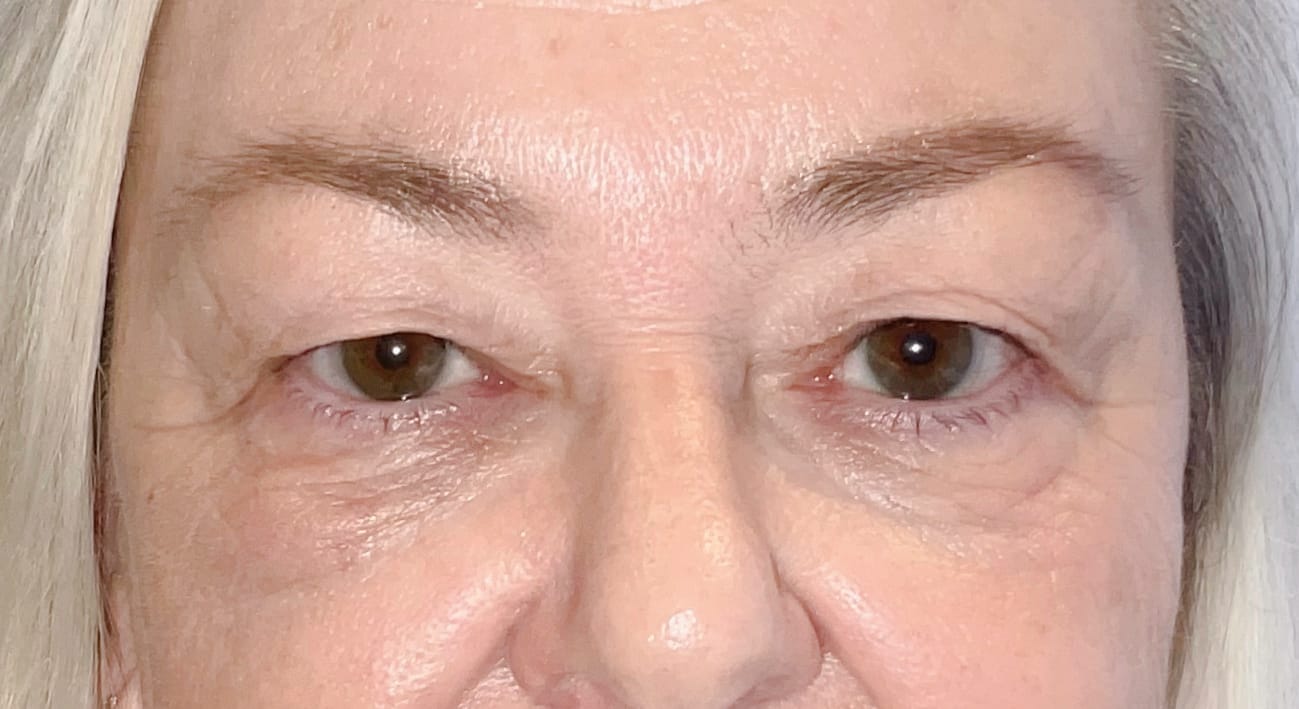
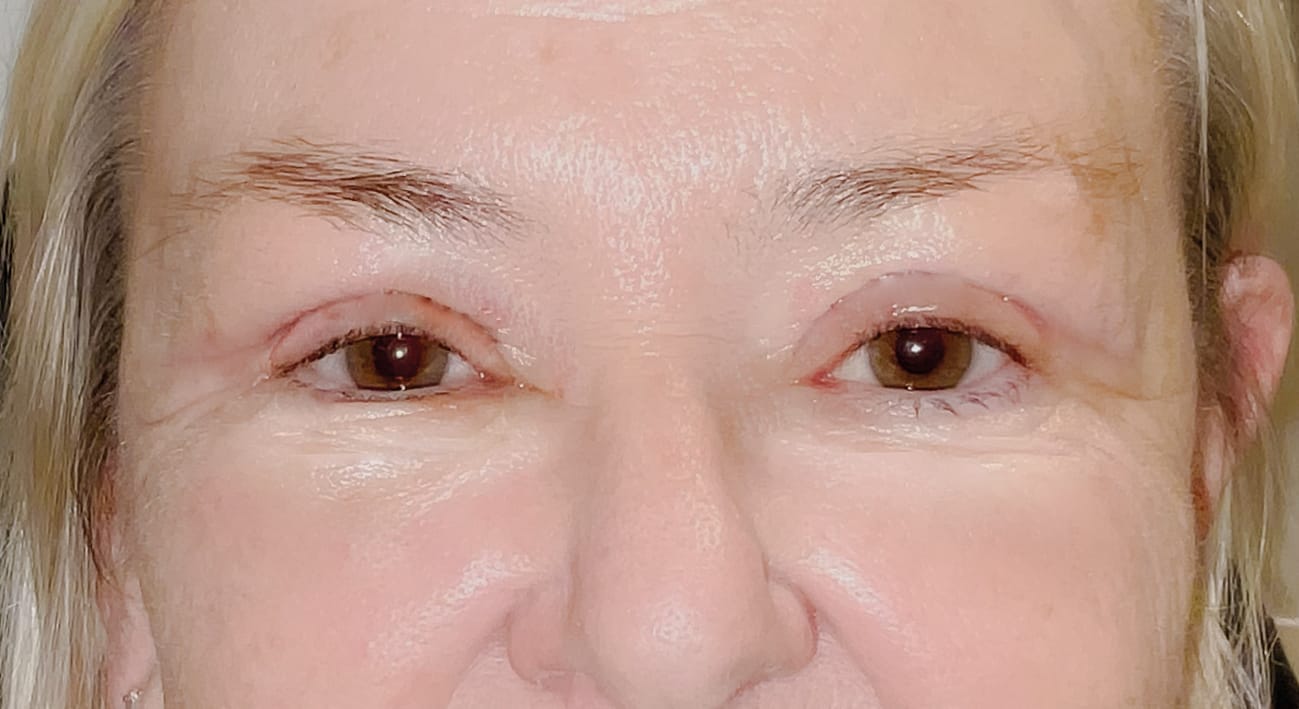
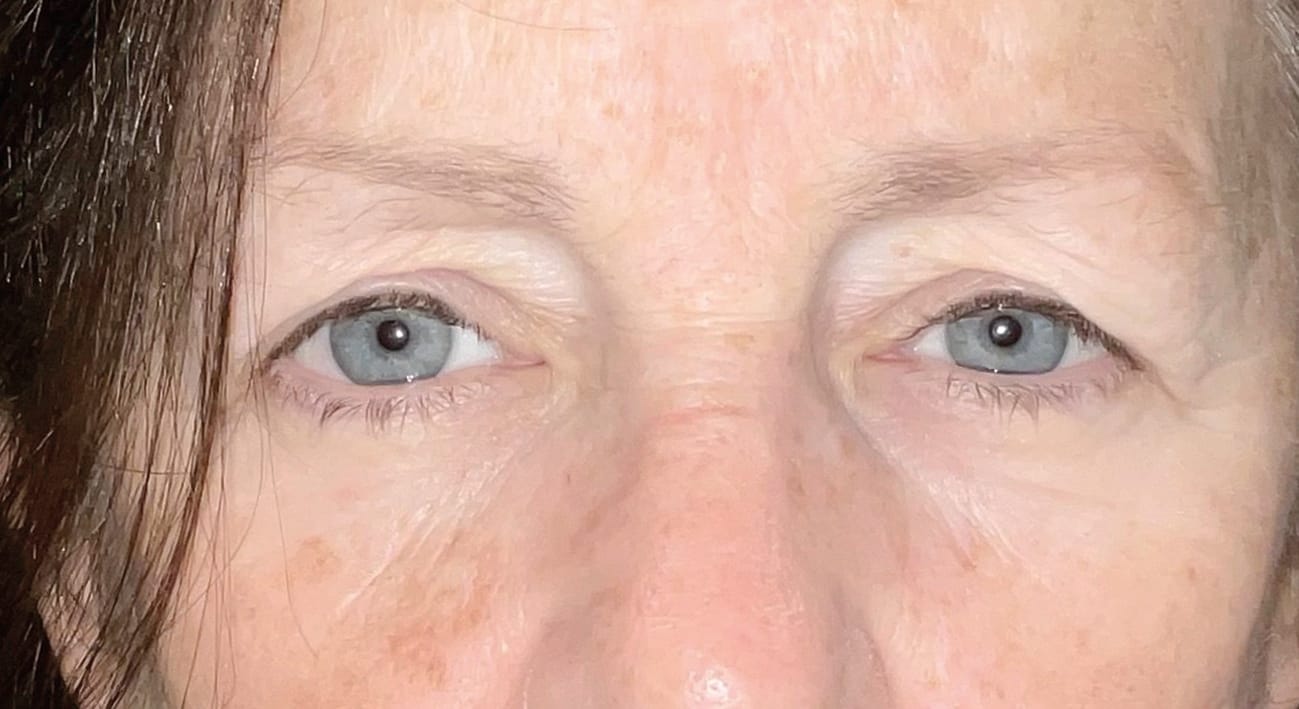
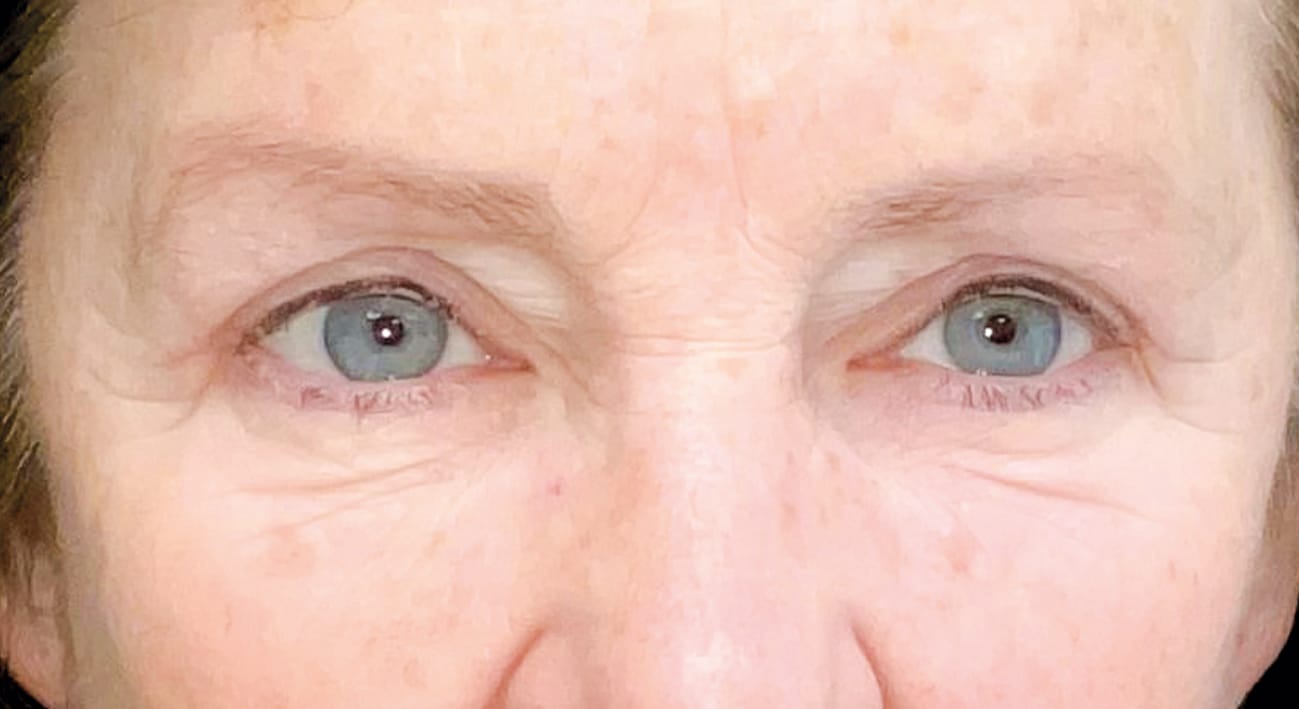
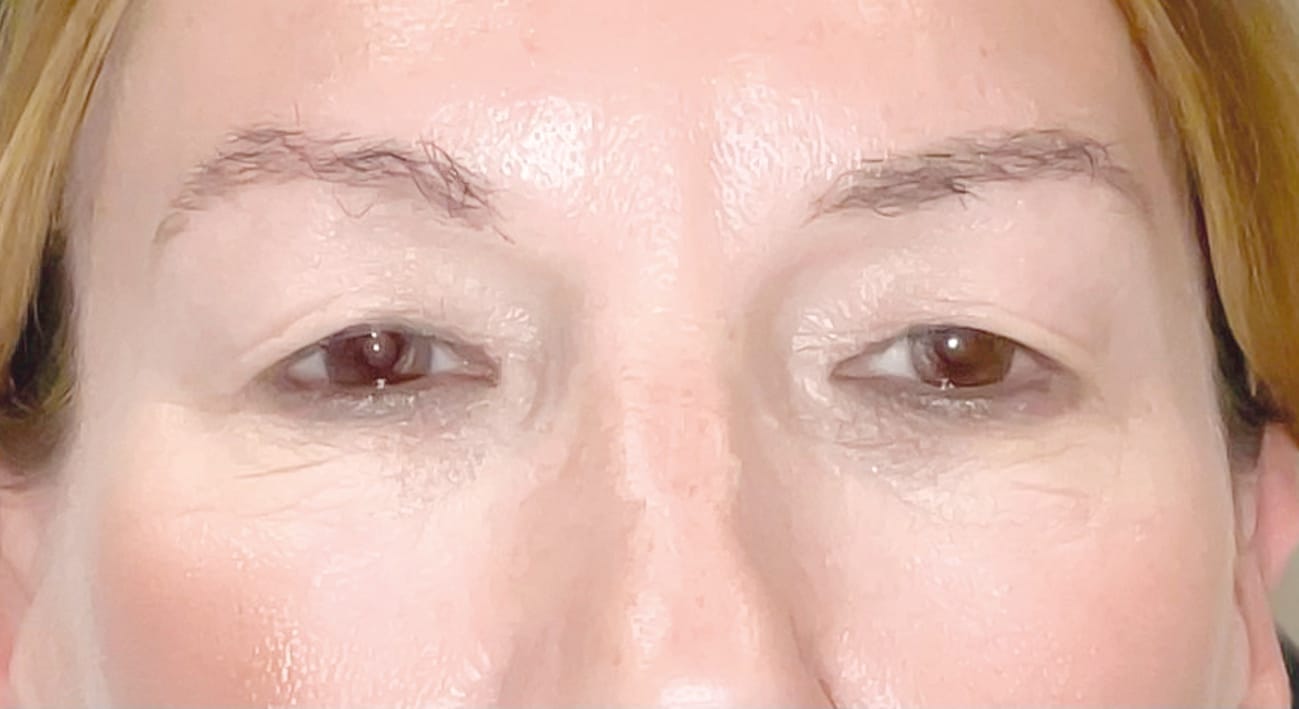
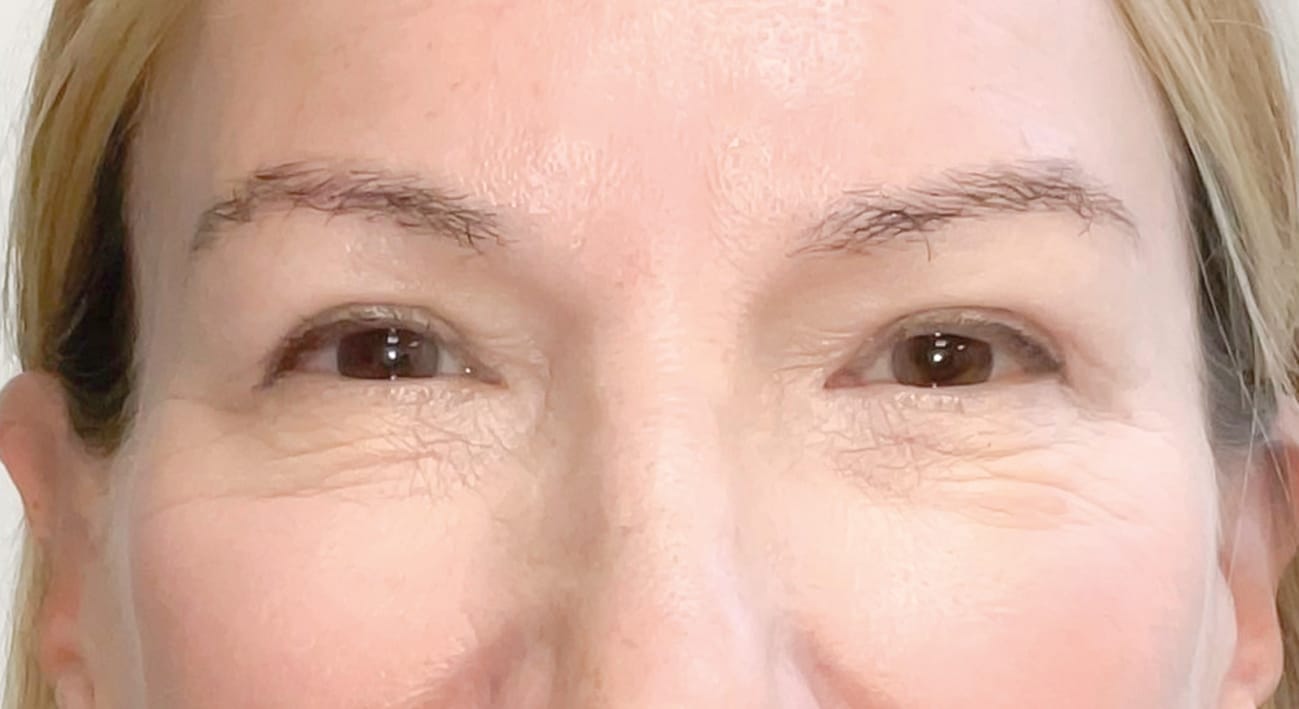
Before and After
These before-and-after images highlight the subtle yet transformative results that blepharoplasty can achieve. Our clients feel refreshed and rejuvenated, while maintaining their natural appearance.


What Causes Dark Circles?
Dark circles are considerably more complicated than eye bags.
In fact, there is no single type of dark circle.
Several different factors can contribute to darkness beneath the eyes.
Pigmentation
Some patients naturally develop darker pigmentation beneath the eyes.
This can appear:
- Brown
- Grey
- Darker than surrounding skin
Pigmentation is often influenced by:
- Genetics
- Ethnicity
- Sun exposure
- Skin conditions
Hollowing
Loss of volume beneath the eyes can create a hollow appearance known as a tear trough.
This can produce shadows that resemble dark circles.
Thin Skin
The skin beneath the eyes is naturally very thin.
In some individuals, blood vessels beneath the skin become more visible, creating a bluish or purple appearance.
Shadowing
Eye bags themselves can cast shadows beneath the eyes, making dark circles appear worse.
Lifestyle Factors
Although not always the primary cause, factors such as:
- Lack of sleep
- Stress
- Allergies
can sometimes contribute to the appearance of dark circles.
Can Blepharoplasty Fix Dark Circles?
In many patients, blepharoplasty can noticeably improve the appearance of dark circles - but the degree of improvement depends entirely on what is causing them.
Where dark circles are created or made worse by prominent eye bags casting shadows beneath the eyes, lower blepharoplasty often produces a significant improvement. However, if the darkness is primarily caused by pigmentation, thin skin, visible blood vessels or hollowing, surgery alone is unlikely to resolve the problem completely.
The effectiveness of blepharoplasty depends entirely on what is causing the dark circles.
Eye Bags Creating Shadows
Can blepharoplasty help?
Often yes
When eye bags cast shadows beneath the eyes, reducing the protrusion can significantly improve the appearance of darkness.
Structural Shadowing
Can blepharoplasty help?
Sometimes
In certain patients, improving lower eyelid contour may reduce shadowing.
Hollowing and Tear Troughs
Can blepharoplasty help?
Usually not directly
Hollowing is a different issue from eye bags and often requires a different treatment approach.
Pigmentation
Can blepharoplasty help?
No
Surgery does not remove pigmentation within the skin.
Thin Skin
Can blepharoplasty help?
Limited
Whilst some improvements may occur indirectly, surgery does not thicken the skin beneath the eyes.
Vascular Dark Circles
Can blepharoplasty help?
No
Visible blood vessels are generally not corrected through blepharoplasty.
This is why a proper diagnosis is so important. Two patients may both describe “dark circles,” yet require entirely different treatment recommendations.
Expert video answers
Short expert videos designed to answer common questions patients ask before treatment.



What About Under-Eye Wrinkles?
Under-eye wrinkles are another area where realistic expectations are important.
Some wrinkles may improve following lower blepharoplasty, particularly when they are associated with:
- Excess skin
- Skin laxity
- Tissue redundancy
However, not all wrinkles are caused by excess skin.
Fine lines resulting from:
- Skin ageing
- Sun damage
- Reduced collagen
- Facial movement
may still remain after surgery.
Most patients experience improvement in overall contour and skin excess, but blepharoplasty should not be viewed as a treatment that removes every wrinkle around the eyes.
What About Crow's Feet?
Crow’s feet are the lines that develop at the outer corners of the eyes.
They are usually caused by:
- Repeated facial expressions
- Smiling
- Squinting
- Age-related skin changes
Because crow’s feet occur outside the eyelid itself, blepharoplasty does not generally treat them.
This is an important distinction because some patients expect surgery to rejuvenate the entire eye area.
Blepharoplasty can improve specific structural concerns, but it does not address every sign of facial ageing.
What About Tear Troughs and Hollow Eyes?
Tear troughs are often confused with eye bags.
However, they are almost opposite problems.
Eye Bags
Eye bags involve tissue protruding forwards.
Tear Troughs
Tear troughs involve volume deficiency or hollowing beneath the eyes.
Patients frequently believe they have eye bags when the primary concern is actually hollowing.
This is one reason why specialist assessment is so valuable.
Correctly identifying the underlying cause helps ensure patients receive appropriate advice and realistic expectations.
Can Drooping Brows Make Eye Bags Look Worse?
Yes.
The relationship between the brow, upper eyelid and lower eyelid is often overlooked.
As the brow descends with age, patients may notice:
- Heavier upper eyelids
- Increased hooding
- A more tired appearance
In some cases, patients attribute all of these changes to eye bags or dark circles when other facial structures are also contributing.
A comprehensive assessment considers the entire eye area rather than focusing solely on one feature.
Eye Bags
Lower blepharoplasty can be highly effective at reducing eye bags and under-eye puffiness caused by protruding fat and excess skin.
Dark Circles
Dark circles can have several causes, including pigmentation, hollowing and shadowing. Not all types respond to surgery.
Under-Eye Wrinkles
Blepharoplasty may improve wrinkles associated with excess skin, but it does not remove every line around the eyes.
Specialist Assessment
Understanding the underlying cause of your concerns is essential in determining whether blepharoplasty is the most appropriate treatment.
Why A Specialist Assessment Matters
One of the biggest mistakes patients make is assuming they know the exact cause of their concern.
A patient may believe they have:
- Eye bags
when the primary issue is:
- Hollowing
- Pigmentation
- Brow descent
- Skin quality changes
Similarly, a patient may assume surgery will correct dark circles when the darkness is actually caused by pigmentation or visible blood vessels.
At Sapphire Eye Care, our consultant ophthalmic surgeons assess the underlying causes of your concerns before recommending treatment.
This helps ensure that patients understand:
- What surgery can improve
- What surgery cannot improve
- What outcomes are realistic
In our experience, patients who have realistic expectations are often the happiest with their results.
Frequently asked questions
Can blepharoplasty remove eye bags?
Yes. Lower blepharoplasty is often highly effective at improving eye bags caused by protruding fat and excess lower eyelid tissue.
Can blepharoplasty get rid of dark circles?
Sometimes. If dark circles are caused by shadowing from eye bags, surgery may help. However, pigmentation, thin skin and visible blood vessels are generally not corrected by blepharoplasty.
Why do I still have dark circles after blepharoplasty?
Dark circles can have multiple causes. Whilst surgery may improve shadowing from eye bags, it does not treat pigmentation, vascular changes or all forms of hollowing.
Does lower blepharoplasty remove wrinkles?
Lower blepharoplasty may improve wrinkles associated with excess skin, but it does not remove every wrinkle around the eyes.
Can blepharoplasty fix tear troughs?
Not usually. Tear troughs and hollowing are distinct concerns that often require different treatment approaches.
Can blepharoplasty improve under-eye shadows?
Yes, particularly when shadows are caused by protruding eye bags. Improving lower eyelid contour can reduce shadowing in suitable patients.
How do I know if I have eye bags or dark circles?
A specialist assessment is often the best way to determine the underlying cause. Many patients have a combination of factors contributing to their concerns.
At which locations does Sapphire Eye Care offer blepharoplasty surgery?
Sapphire Eye Care provides blepharoplasty surgery through clinics located across Hampshire, Dorset, Surrey, Sussex, Berkshire and neighbouring counties. Many patients travel from throughout the South of England for consultation and treatment with our experienced consultant ophthalmic surgeons. We can advise on the most suitable clinic location based on where you live and your treatment requirements.
Book a Free Online Consultation
If you are concerned about eye bags, dark circles or changes around the eyes, our specialist consultants can help identify the underlying cause and discuss whether blepharoplasty may be suitable for you.
Book a Free Online Consultation or Request a Free Callback today to discuss your treatment options with our expert Sapphire Eye Care team.

Medically reviewed by Andre Litwin
Consultant Ophthalmic Surgeon.
Medically Reviewed, July 2026
Arrange A Free Callback