
Preparing a few key questions before your cataract consultation can help you feel more informed and confident about your treatment. This guide explains the most important topics to discuss with your consultant, from choosing your surgeon and understanding lens options to knowing what to expect before, during and after surgery.
For many people, cataract surgery is something they have never experienced before.
It’s completely natural to have questions about the procedure, your recovery and what results you can realistically expect. Yet many patients tell us that when they arrive at their consultation, they either forget what they wanted to ask or simply don’t know where to begin.
Your cataract consultation is one of the most important stages of your treatment journey. It is your opportunity to understand your diagnosis, discuss your lifestyle and visual goals, explore the different treatment options available and make informed decisions about your care.
At Sapphire Eye Care, we encourage patients to ask questions. A consultation should never feel rushed or one-sided – it should be a conversation that helps you understand your options and gives you confidence in the decisions you make.
In this guide, we’ve highlighted some of the most important questions you may wish to discuss with your consultant before cataract surgery.


Why Your Cataract Consultation Is So Important
Many people think a cataract consultation simply confirms whether they need surgery.
In reality, it is much more than that.
A thorough consultation allows your consultant ophthalmic surgeon to assess not only the cataracts themselves, but also your overall eye health, your visual requirements and the factors that are most important to you.
Every patient has different priorities.
For example, you may want to:
- Improve your driving vision to boost your confidence when driving.
- Continue enjoying hobbies such as golf or gardening.
- Reduce your dependence on glasses.
- Improve the quality of your everyday vision.
Understanding these priorities allows your consultant to recommend treatment that is tailored to your individual needs rather than taking a one-size-fits-all approach.
It is also your opportunity to ask questions, discuss any concerns and ensure you fully understand the treatment being recommended.
Book a free online consultation to discuss your private cataract surgery.
Questions About Your Eyes
One of the first things many patients want to understand is exactly how cataracts are affecting their vision.
Whilst friends or family members may have had cataract surgery themselves, every person’s eyes are different.
Some useful questions include:
Do I definitely need cataract surgery?
Not everyone who develops cataracts requires immediate treatment.
Many people continue with updated glasses for a period before surgery becomes necessary.
Your consultant can explain:
- Whether cataracts are responsible for your symptoms.
- How much they are affecting your vision.
- Whether surgery is recommended now or whether monitoring is appropriate.
Learn More About Private Cataract Surgery
Short expert videos designed to answer common questions patients ask before treatment.



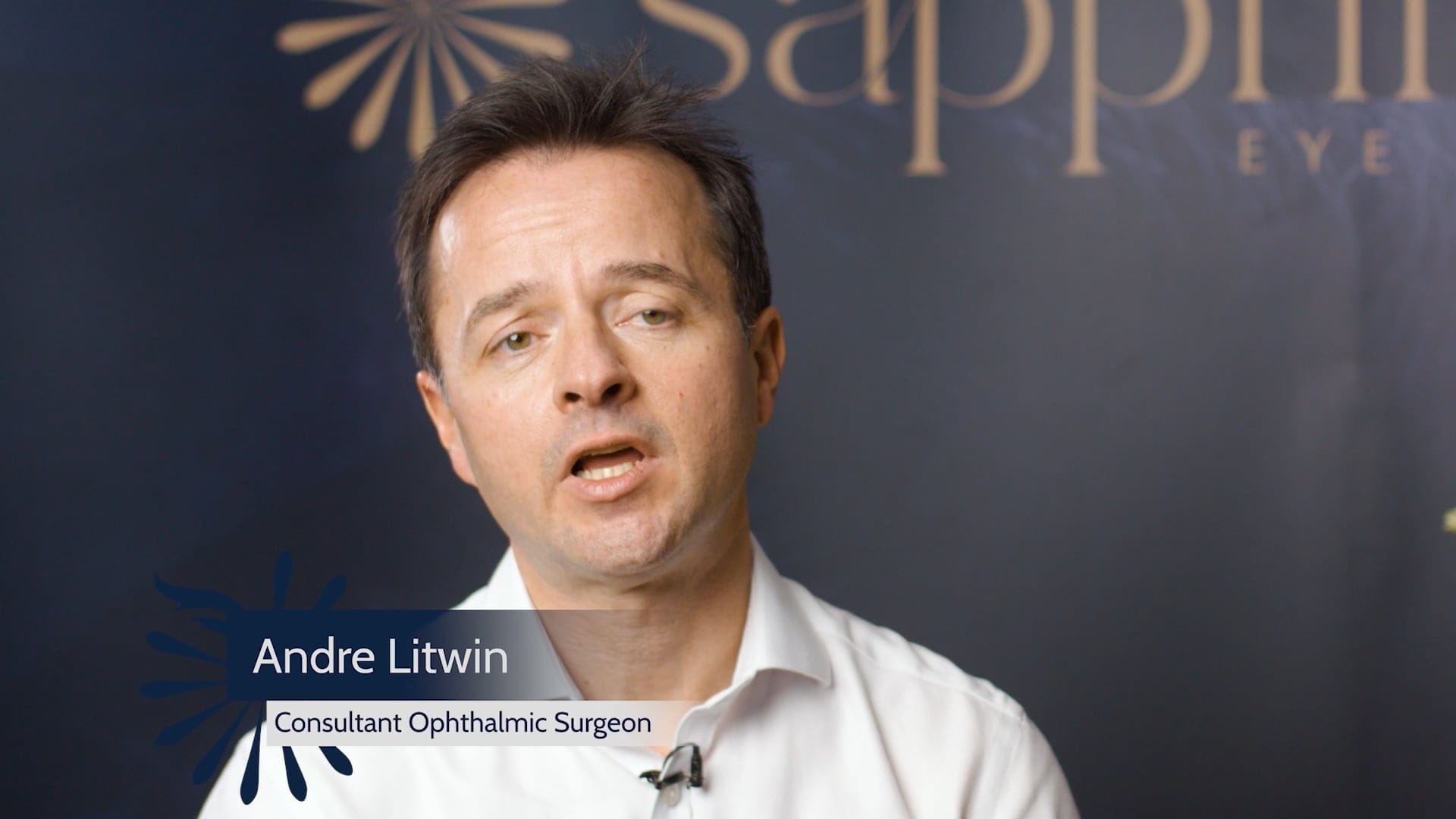
What Happens If I Delay Cataract Surgery?
This is one of the most common questions patients ask.
For some people, delaying surgery may have little immediate impact.
For others, worsening cataracts may begin to interfere with activities such as:
- Driving.
- Reading without additional light
- Watching television.
- Recognising faces.
- Working on a computer.
- Disabling glare from low level sunshine
Your consultant can help you understand how your cataracts are progressing and whether delaying treatment is likely to affect your quality of life.
Are Both Eyes Affected?
Many patients have cataracts developing in both eyes, although one eye is often more affected than the other.
Your consultant can explain:
- Which eye should be treated first.
- Whether both eyes are likely to require surgery.
- How the timing of surgery is usually planned.
Understanding this helps patients prepare for the treatment journey ahead.
Are There Any Other Eye Conditions I Should Know About?
During your consultation, your consultant will also assess the overall health of your eyes.
Some patients have additional conditions that may influence treatment planning or expected outcomes.
These may include:
- Glaucoma.
- Macular degeneration.
- Dry eye disease.
- Previous eye surgery.
- Astigmatism.
Identifying these conditions beforehand helps ensure your treatment plan is personalised to your individual eyes.
Questions About Your Surgeon
Many patients spend time researching clinics but don’t always consider who will actually perform their surgery.
Choosing your surgeon is an important part of planning cataract surgery.
Whilst cataract surgery is one of the most successful procedures performed today, every patient presents different anatomy, visual goals and clinical considerations.
Some questions you may wish to ask include:
Who Will Perform My Cataract Surgery?
Understanding who will carry out your operation helps provide clarity and reassurance.
Knowing the consultant responsible for your care allows you to build trust and confidence before treatment.
Will I Meet My Surgeon Before Cataract Surgery?
Meeting your consultant before surgery gives you the opportunity to discuss:
- Your diagnosis.
- Your lifestyle.
- Lens options.
- Recovery.
- Any questions or concerns.
Many patients find this continuity reassuring, particularly when making decisions about their treatment.
Choose Your Surgeon
Choosing who performs your cataract surgery is an important decision. An experienced consultant can tailor treatment to your individual eyes, lifestyle and visual goals.
Artificial Implant Lens Options
Understanding your artificial implant lens options before surgery helps ensure your treatment is personalised and supports the activities that matter most to you.
Ask The Right Questions
Your consultation is the perfect opportunity to discuss your diagnosis, treatment options, recovery and any concerns, helping you make an informed decision with confidence.
Personalised Consultant-Led Care
Every patient's eyes and lifestyle are different. A thorough consultation allows your consultant to recommend the most appropriate treatment plan for your individual needs.
Will I See The Same Consultant Throughout My Treatment?
Some patients value seeing the same consultant from their initial assessment through to surgery and follow-up appointments.
Continuity of care means your consultant develops a detailed understanding of your eyes, your visual goals and any questions that arise during your treatment journey.
At Sapphire Eye Care, patients are treated by experienced consultant ophthalmic surgeons who guide them throughout their care, helping ensure treatment decisions are personalised rather than standardised.
How Much Experience Does My Surgeon Have?
Whilst cataract surgery is highly successful, experience remains an important consideration.
Every eye is unique, and an experienced consultant brings not only surgical expertise but also clinical judgement when planning treatment, selecting the most appropriate lens and managing more complex cases where required.
Rather than focusing purely on numbers, it can be helpful to ask about your consultant’s experience, specialist training and approach to patient care.
Questions About Your Lens Options
Choosing the most appropriate intraocular lens (IOL) is one of the most important decisions made before cataract surgery.
The artificial lens implanted during surgery will remain in your eye permanently, making this an ideal topic to discuss during your consultation.
Many patients are unaware that there are different types of lenses available, each designed to meet different visual needs.
Useful questions include:
Which Lens Would You Recommend For Me?
There is no single “best” lens for every patient.
The most suitable option depends on several factors, including:
- Your prescription.
- Whether you have astigmatism.
- Your hobbies.
- Driving requirements.
- Reading habits.
- Computer use.
- Your desire to reduce dependence on glasses.
Your consultant should explain why a particular lens may be most appropriate for your individual lifestyle and expectations.
What Are The Different Lens Options?
Depending on your eyes and visual goals, your consultant may discuss different types of intraocular lenses.
Understanding the advantages and limitations of each option helps you make an informed decision about your treatment.
Rather than simply selecting a standard solution, your consultation is an opportunity to explore which option best supports the way you live your life.
Will I Still Need Glasses After Surgery?
This is one of the most frequently asked questions.
The answer depends on several factors, including:
- Your prescription.
- The type of lens implanted.
- The activities you perform most often.
Some patients continue to use glasses for certain tasks, whilst others may reduce their dependence on them significantly.
Your consultant can explain what is realistic based on your individual circumstances.
How Does My Lifestyle Influence Lens Choice?
Your visual priorities are unique to you.
For example:
- Do you spend long hours using a computer?
- Do you drive frequently, particularly at night?
- Do you enjoy reading?
- Do you play sport?
- Do you travel regularly?
These everyday activities help your consultant recommend the lens option most appropriate for your lifestyle.
Choosing the right lens is about much more than improving vision – it is about helping you enjoy the activities that matter most to you.
Questions About The Procedure
Although cataract surgery is one of the most commonly performed operations in the UK, it’s natural to feel a little apprehensive if you’ve never had eye surgery before.
Your consultation is the perfect opportunity to understand exactly what will happen on the day of your procedure.
Some useful questions include:
How Long Does Cataract Surgery Take?
The procedure itself is usually completed within 20 to 30 minutes, although you should expect to be at the clinic for longer to allow for preparation, admission and post-operative checks.
Understanding the timings beforehand often helps patients feel more relaxed on the day of surgery.
Will I Be Awake During Surgery?
Most cataract surgery is performed using local anaesthetic eye drops, meaning patients remain awake but comfortable throughout the procedure.
Many people are pleasantly surprised by how straightforward the experience is.
Your consultant can explain exactly what to expect and answer any questions you may have before the day of surgery.
Will The Operation Hurt?
Patients often worry that eye surgery will be painful.
Whilst you may experience some mild pressure or awareness during the procedure, cataract surgery itself is not generally painful due to the local anaesthetic.
Your consultant will explain what sensations are normal and how your comfort is monitored throughout treatment.
What Happens On The Day Of Surgery?
Understanding the patient journey can help reduce anxiety.
You may wish to ask about:
- How to prepare before arriving.
- Whether you need someone to accompany you home.
- How long you will remain at the clinic.
- What happens immediately after surgery.
- When you will receive your post-operative instructions.
Knowing what to expect often helps patients feel much more confident before treatment.
Questions About Recovery From Cataract Surgery
Recovery is one of the topics patients are most interested in discussing.
Whilst every patient heals at their own pace, understanding the recovery process helps set realistic expectations.
Here are some of the most common recovery questions our patients ask before undergoing treatment.
When Can I Drive Again?
Driving can usually resume once your vision meets the legal driving standard and your consultant advises it is safe to do so.
Recovery varies between individuals, so this is an important discussion to have during your consultation.
When Can I Read Or Use A Computer?
Many patients return to reading, watching television and using digital devices quite quickly after surgery.
However, your consultant will advise you based on your individual recovery and visual progress.
When Can I Exercise?
Light activities can often be resumed relatively soon, whilst more strenuous exercise or swimming may need to wait until your eye has healed sufficiently.
Asking about your own hobbies or fitness routine helps ensure you receive advice that is tailored to your lifestyle.
Will I Need Eye Drops?
Eye drops form an important part of recovery following cataract surgery.
Your consultant will explain:
- How often to use them.
- How long treatment usually continues.
- The importance of following your aftercare instructions.
Questions About Risks
No surgical procedure is entirely without risk, and your consultation is an opportunity to discuss these openly.
Many patients feel reassured simply by understanding both the benefits and the potential risks before making their decision.
Questions you may wish to ask include:
- What are the possible risks of cataract surgery?
- How common are complications?
- What happens if a complication occurs?
- How are problems managed if they arise?
An experienced consultant will explain these in a balanced and understandable way, helping you make an informed decision without causing unnecessary concern.
Understanding potential risks is an important part of informed consent and allows you to proceed with confidence, knowing you have been fully informed.
Questions About Aftercare
Your care does not end when the surgery is complete.
Follow-up appointments allow your consultant to monitor healing, assess your vision and answer any questions that arise during recovery.
Useful questions include:
Who Will Provide My Follow-Up Care?
Understanding who you will see after surgery helps provide continuity and reassurance.
Many patients value knowing that the same consultant-led team remains involved throughout their treatment journey.
What Should I Do If I Have Any Concerns?
Although most patients recover smoothly, it is important to know who to contact if you experience unexpected symptoms or have any concerns during recovery.
Your consultant will explain what is normal, what to expect and when you should seek advice.
When Will My Vision Stabilise?
Many patients notice an improvement in vision within a few days, although recovery varies from person to person.
Your consultant can explain what is typical based on your own eyes and treatment plan, helping you understand when you are likely to achieve your best visual outcome.
Why Asking Questions Helps You Make An Informed Decision
The most successful consultations are conversations rather than one-way discussions.
Asking questions helps you understand:
- Why surgery has been recommended.
- What results you can realistically expect.
- Which lens options may suit your lifestyle.
- What recovery involves.
- Who will be caring for you throughout your treatment.
At Sapphire Eye Care, we encourage patients to take an active role in their care. We believe informed patients are more confident patients, and taking the time to discuss your questions allows treatment decisions to be based on what matters most to you.
Ultimately, choosing cataract surgery is about more than improving your vision. It is about helping you continue enjoying everyday life with confidence, knowing your treatment has been carefully planned around your individual needs.
Frequently Asked Questions
What should I ask before cataract surgery?
Some of the most useful questions include whether you need surgery now, who will perform your operation, which lens options are available, what recovery involves and what results you can realistically expect. Preparing these questions in advance can help you get the most from your consultation.
Should I ask who will perform my cataract surgery?
Yes. Knowing who will perform your surgery allows you to understand your consultant’s experience, discuss your treatment plan and build confidence before your procedure.
Can I choose my cataract surgeon?
This varies depending on where you receive treatment. Many patients value being able to choose their consultant and having continuity of care from consultation through to surgery and follow-up.
Should I discuss lens options before surgery?
Absolutely. Choosing the most appropriate intraocular lens is an important part of treatment planning and should always be discussed during your consultation.
Will I still need glasses after cataract surgery?
This depends on your prescription, the type of lens implanted and your visual goals. Your consultant will explain what is realistic based on your individual circumstances.
What questions should I ask about recovery?
You may wish to ask when you can drive, return to work, exercise, travel, read comfortably and whether you will need eye drops following surgery.
Should I ask about the risks of cataract surgery?
Yes. Understanding the potential benefits and risks helps you make an informed decision and ensures you know what to expect before proceeding with treatment.
At which locations does Sapphire Eye Care offer private cataract surgery?
Sapphire Eye Care provides private cataract surgery through clinics across Hampshire, Dorset, Surrey, Sussex, Berkshire and neighbouring counties, including Winchester, Southampton, Portsmouth, Brighton, Guildford, Reading and Windsor. Many patients travel from throughout the South of England to receive treatment from our experienced consultant ophthalmic surgeons. We can advise on the most convenient clinic location based on where you live and your treatment requirements.
Book Your Free Online Consultation
If you’re considering cataract surgery and would like personalised advice about your treatment options, our experienced optometrists are here to help.
During your consultation, we’ll take the time to understand your vision, your lifestyle and your goals before discussing the treatment and lens options that may be most appropriate for you. You’ll have plenty of opportunity to ask questions, discuss any concerns and make an informed decision about your care.
Whether you’re looking for private cataract surgery in Winchester, Southampton, Portsmouth, Brighton, Guildford, Reading, Windsor or elsewhere across the South of England, our team can help you find the most convenient Sapphire clinic.
Book your Free Online Consultation or request a callback to speak with a member of the Sapphire Eye Care team.

Medically reviewed by Andrew Luff
Consultant Ophthalmic Surgeon.
Medically Reviewed, August 2026
Arrange A Free Callback