
Blepharoplasty may be right for you if excess upper eyelid skin or persistent under-eye bags affect your appearance, confidence or, in some cases, your field of vision. A good candidate has realistic expectations and is medically suitable for surgery. An oculoplastic consultation helps establish whether eyelid surgery, ptosis treatment or another approach best addresses your concerns.
As we grow older, it’s natural for changes to appear around the eyes. This skin is incredibly delicate and is often the first place to show signs of ageing. However, under-eye bags, drooping eyelids or puffiness can make you feel at odds with how you truly feel on the inside, more tired or older than you really are.
If you’ve found yourself feeling self-conscious about these changes, you’re not alone. At Sapphire Eye Care, we understand that how you feel doesn’t always match what you see in the mirror, and that this can affect your self-esteem and confidence.
One long-term option that can rejuvenate the appearance of your eyes is a blepharoplasty, or eyelid surgery. Before deciding whether you want this type of surgery, it’s important to conduct thorough research and speak with an expert medical professional.
In this article, we’ll guide you through what the procedure involves, whether it might be right for you, and what to expect during your recovery. We’ll also explain why choosing a surgeon with the right training and experience matters.
Our specialist oculoplastic surgeons are here to guide you throughout the process, from your initial consultation to your recovery and aftercare.
What is Blepharoplasty?
A blepharoplasty is a surgical procedure that improves the appearance of the upper or lower eyelids. It removes excess skin and may remove or reposition fat to create a more rested look. The procedure can be performed under local or general anaesthetic, depending on the surgery planned.
While it’s often done for cosmetic reasons, it can also have a functional purpose, especially when excess upper eyelid skin interferes with your field of vision.
There are two main types of blepharoplasty surgery:
Upper blepharoplasty: Removes excess upper eyelid skin that creates a hooded or heavy appearance. It may improve the visual field when overhanging skin obstructs it.
Lower blepharoplasty targets under eye bags. Where appropriate, loose skin and/or fat pads may be repositioned or removed to improve the contour of the lower eyelid area.

With blepharoplasty, the goal is to help you look more like yourself again, with a treatment plan that respects your individual features.
Some patients may benefit from both upper and lower blepharoplasty procedures. Read our guide to upper versus lower blepharoplasty for more information.
Is blepharoplasty surgery right for me?
Blepharoplasty surgery addresses concerns that affect your confidence, comfort and, in some cases, your vision. You might be a good candidate for blepharoplasty if:
You have drooping or loose skin on your upper eyelids that affects your appearance or vision.
You’re struggling with persistent under-eye bags that are caused by the underlying eyelid anatomy.
You are generally in good health and any medical conditions are appropriately managed.
Your eye health and eyelid function have been assessed and are suitable for the proposed procedure.
You hold realistic expectations about what surgery can achieve.
You can allow time for recovery and follow your surgeon’s aftercare advice.
During your consultation, your surgeon will evaluate your facial anatomy, skin quality and medical history to determine whether blepharoplasty is right for you. They will also assess your eye surface and how well your eyelids close.
Smoking can impair wound healing. If you smoke or use nicotine products, tell your surgeon so they can advise you on preparing for surgery.
Which eyelid concerns might surgery help?

This table is a starting point for discussion. An examination is needed to identify the cause of your concern and the appropriate treatment.
Cosmetic and functional reasons for eyelid surgery
Some people consider surgery because they feel their eyelids make them look tired. Others find that excess upper eyelid skin obstructs part of their vision. These concerns can overlap.
If your vision is affected, your surgeon may recommend visual field testing to help assess the obstruction. Blepharoplasty can help when eyelid skin is the cause, but it does not treat every cause of reduced vision.
If you’re unsure which procedure you need, contact Sapphire Eye Care to discuss arranging a specialist assessment.
Blepharoplasty before and after
Before-and-after photographs can help you discuss the changes you would like to achieve. The example below comes from Sapphire Eye Care’s existing blepharoplasty gallery. Your own result will depend on your eyelid anatomy, the treatment agreed with your surgeon and how you heal.
Before and After
These before-and-after images highlight the subtle yet transformative results that blepharoplasty can achieve. Our clients feel refreshed and rejuvenated, while maintaining their natural appearance.
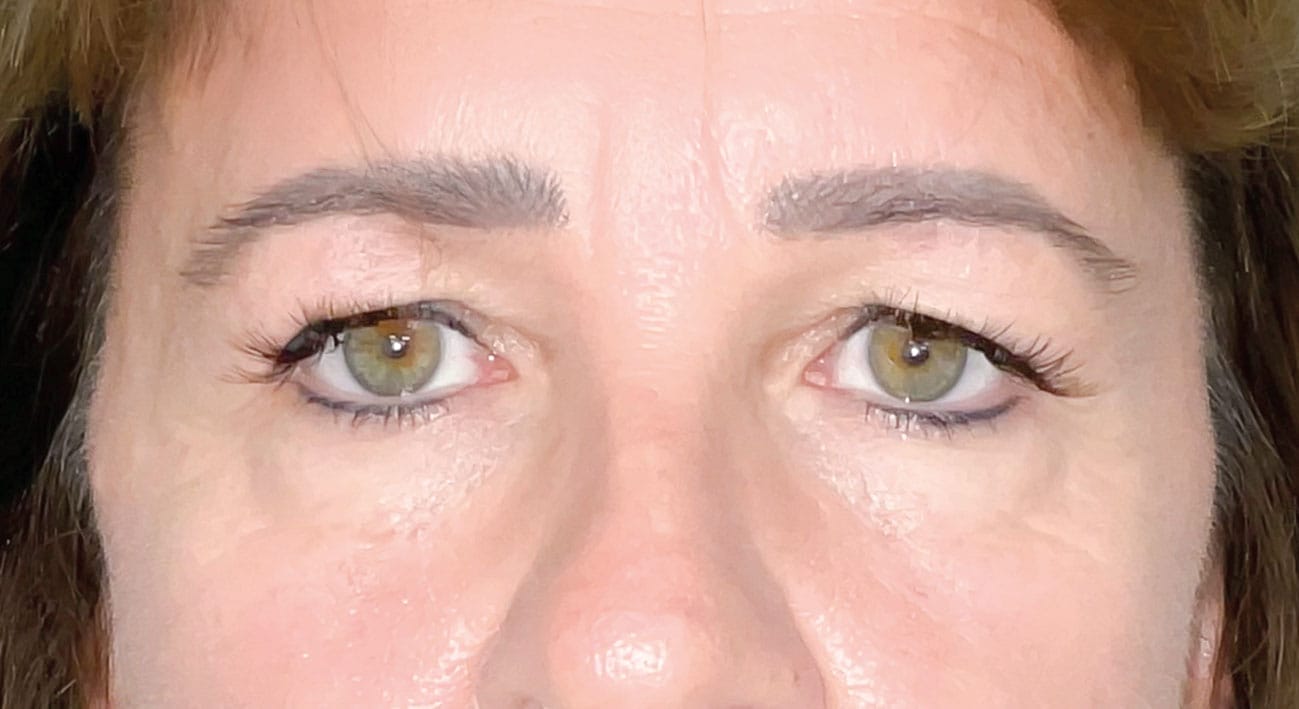
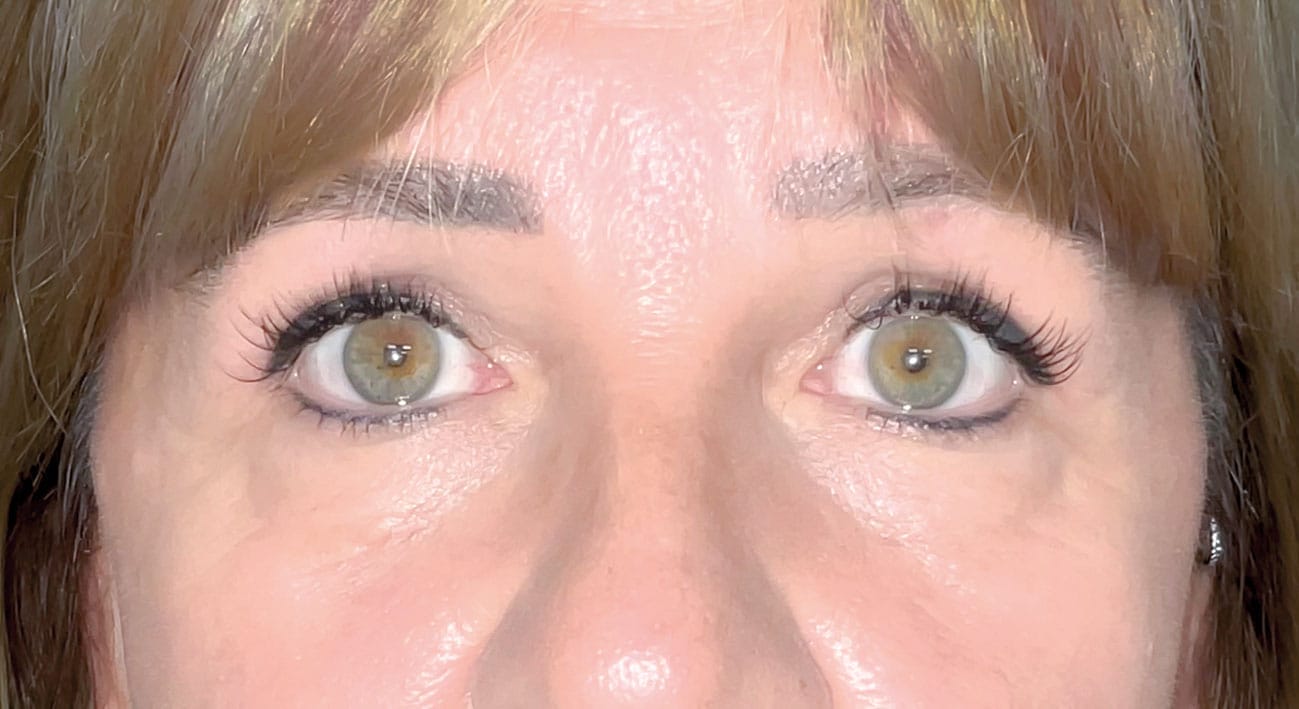
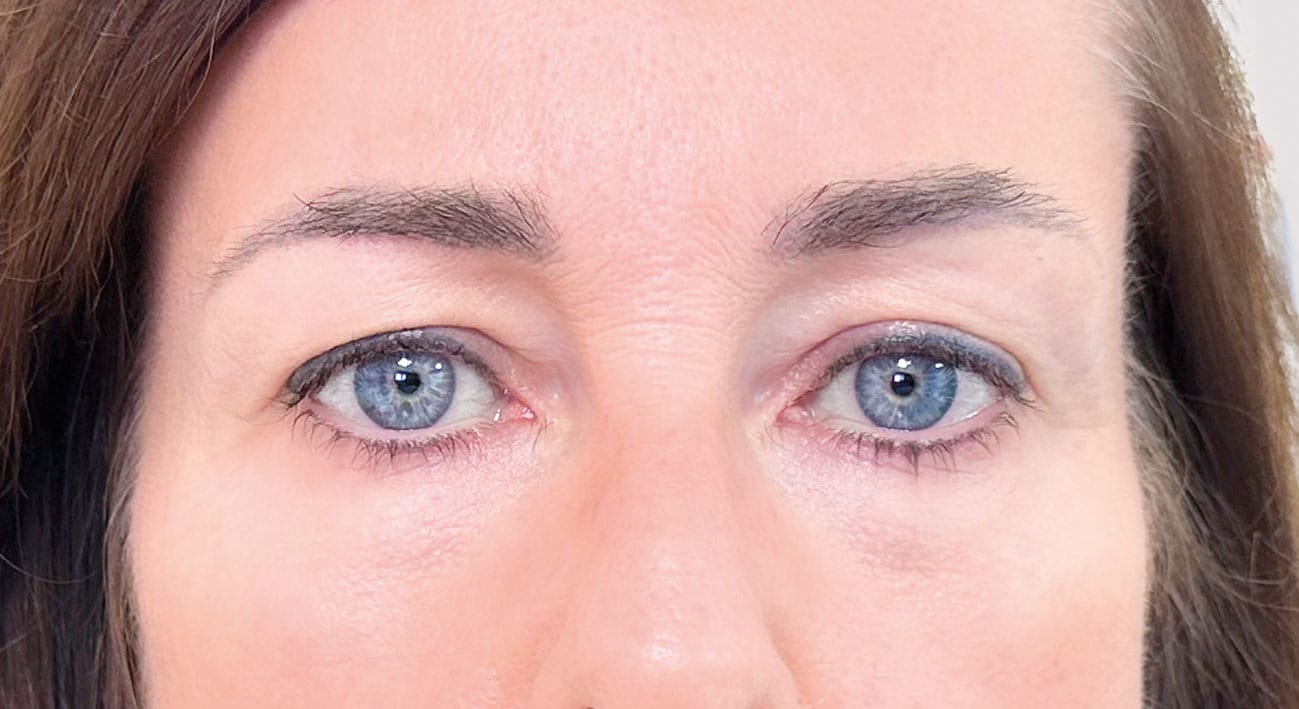
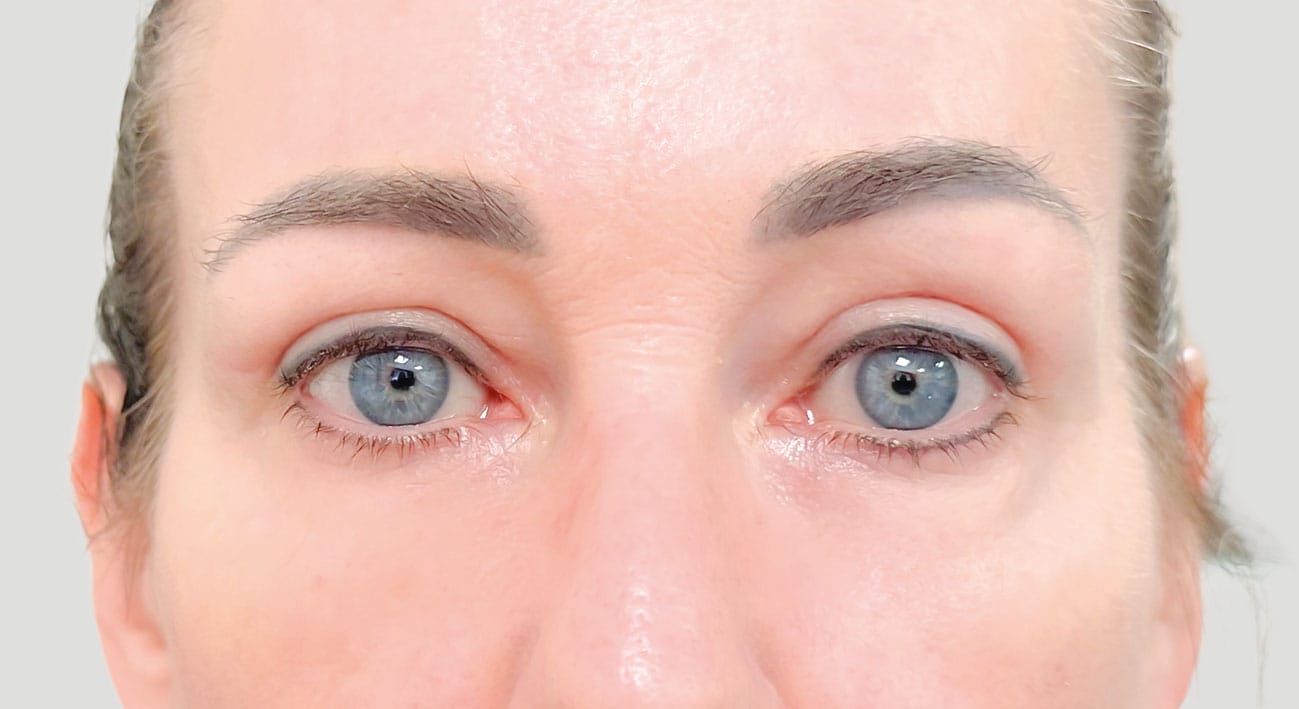
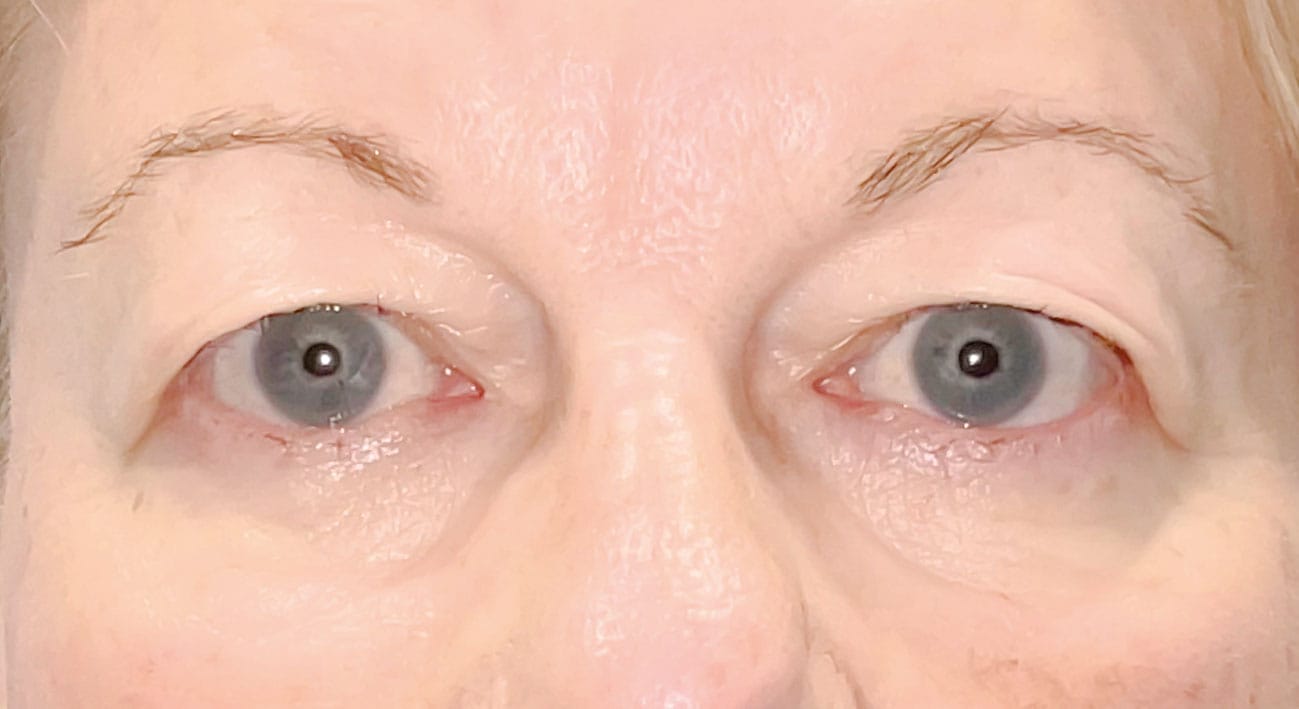
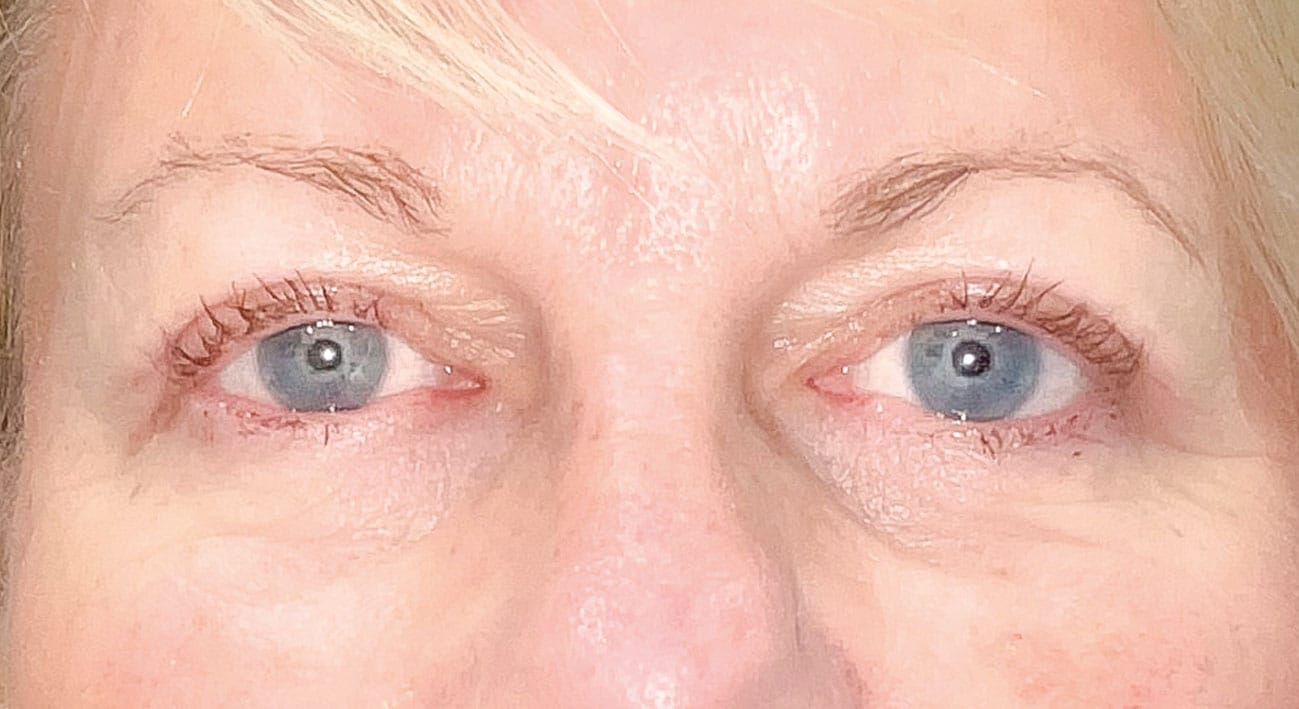
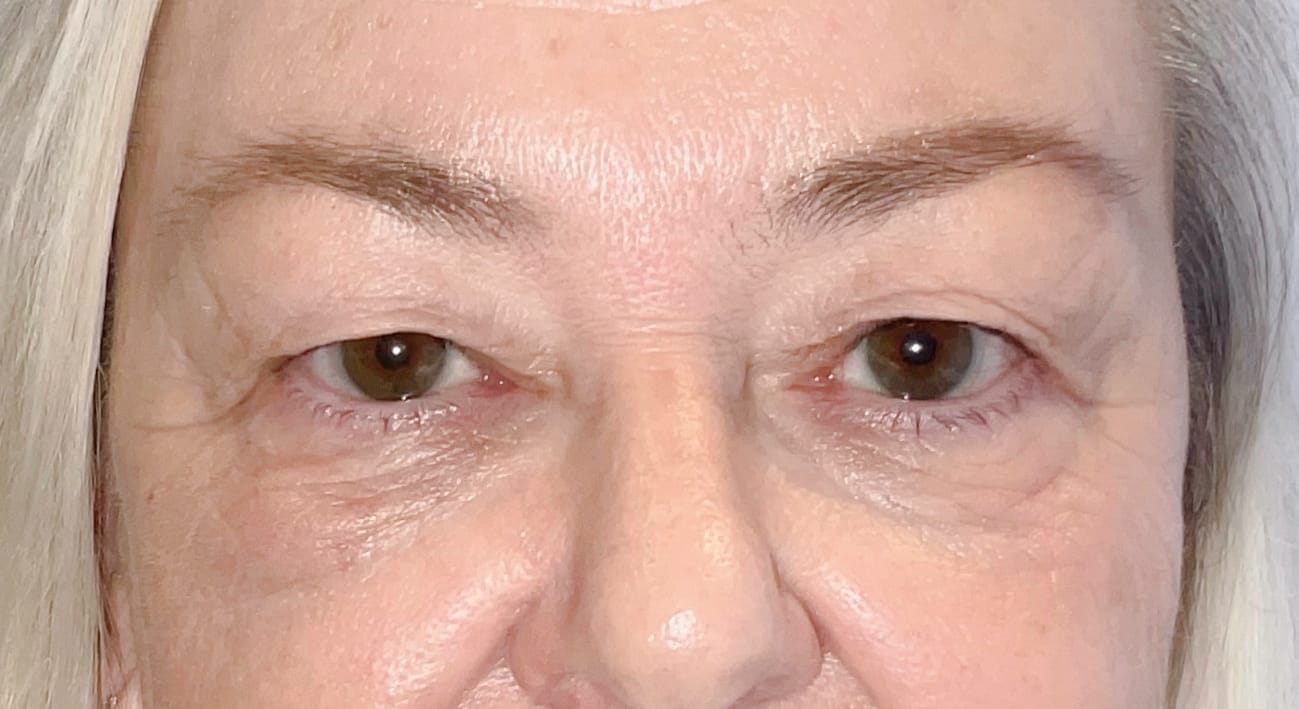
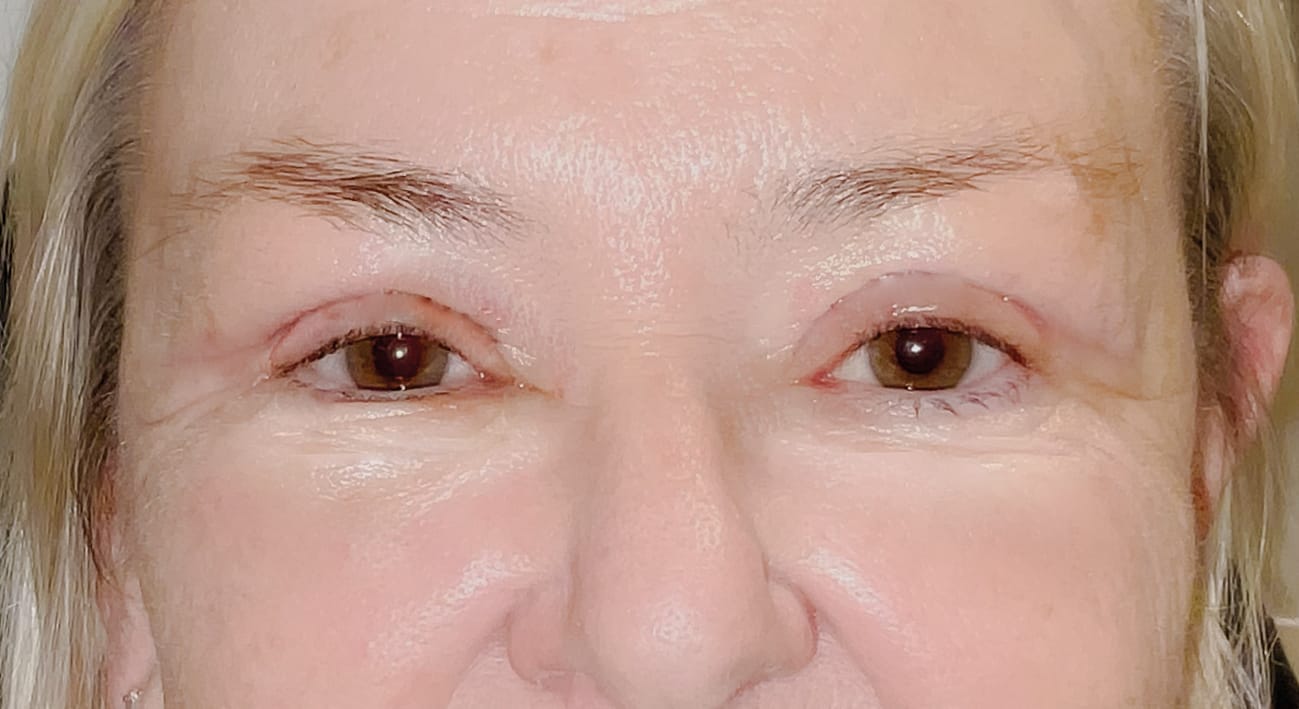
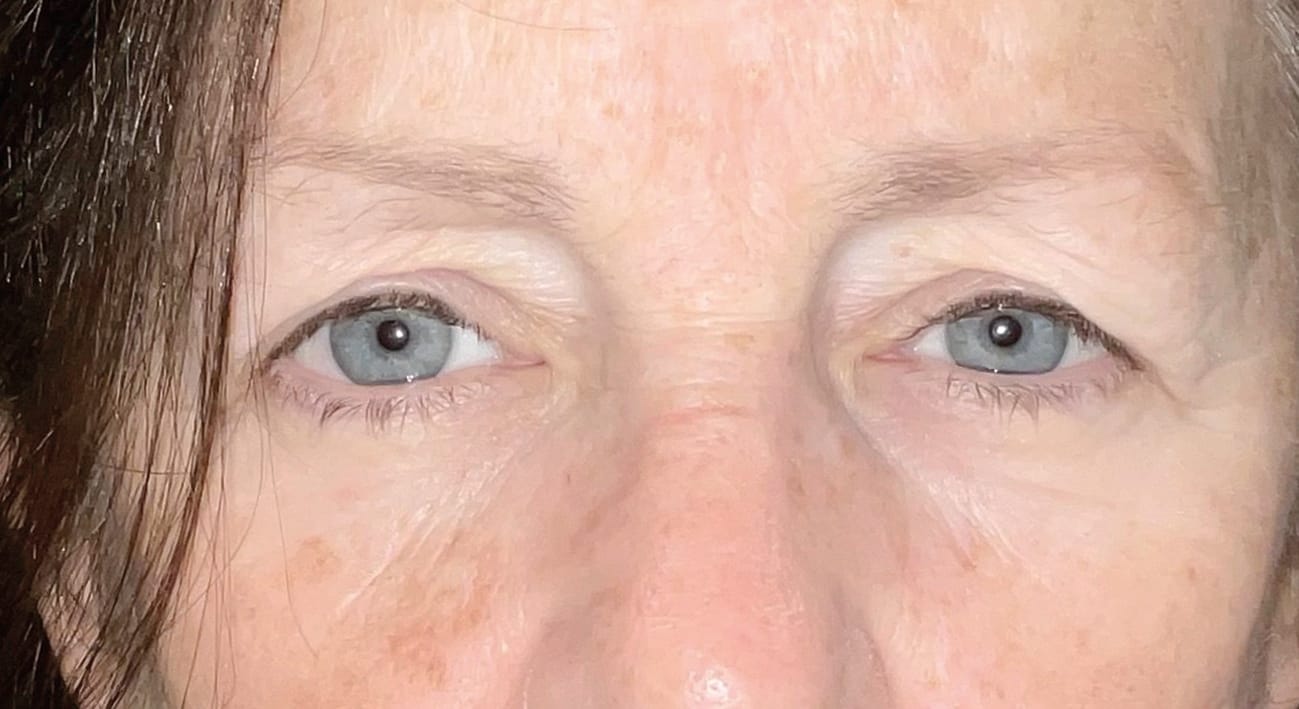
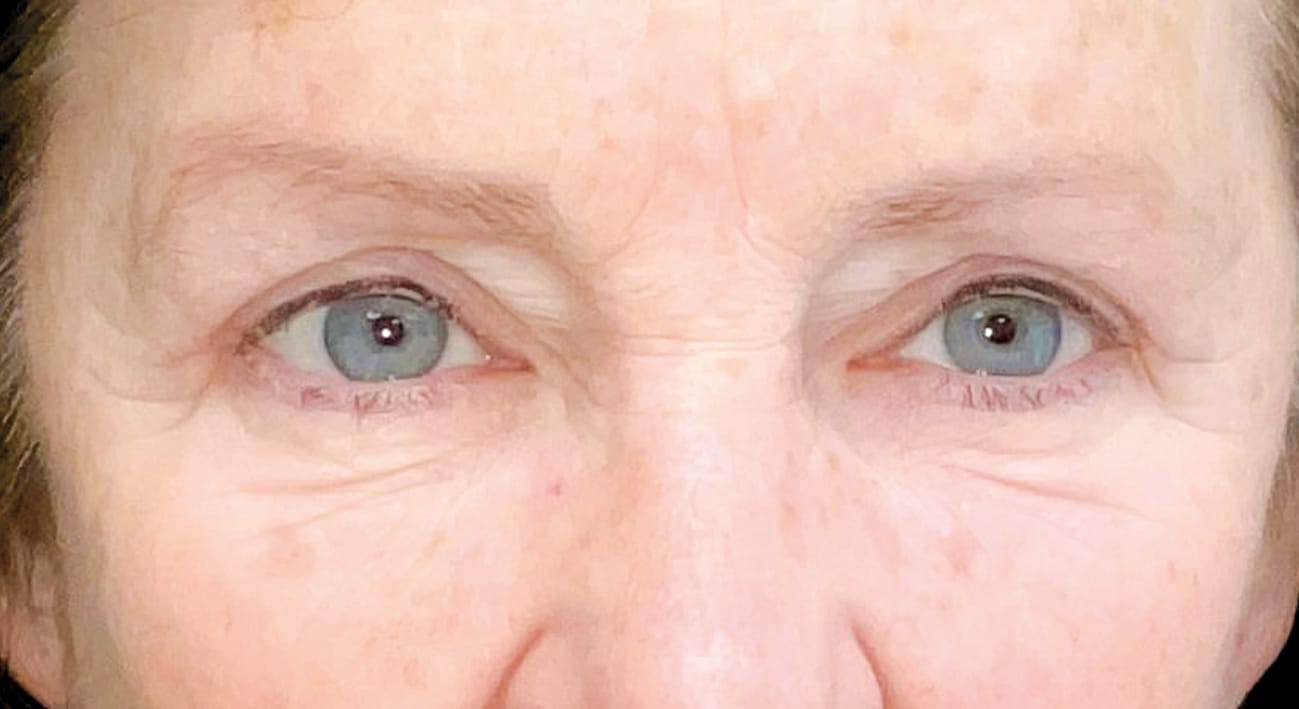
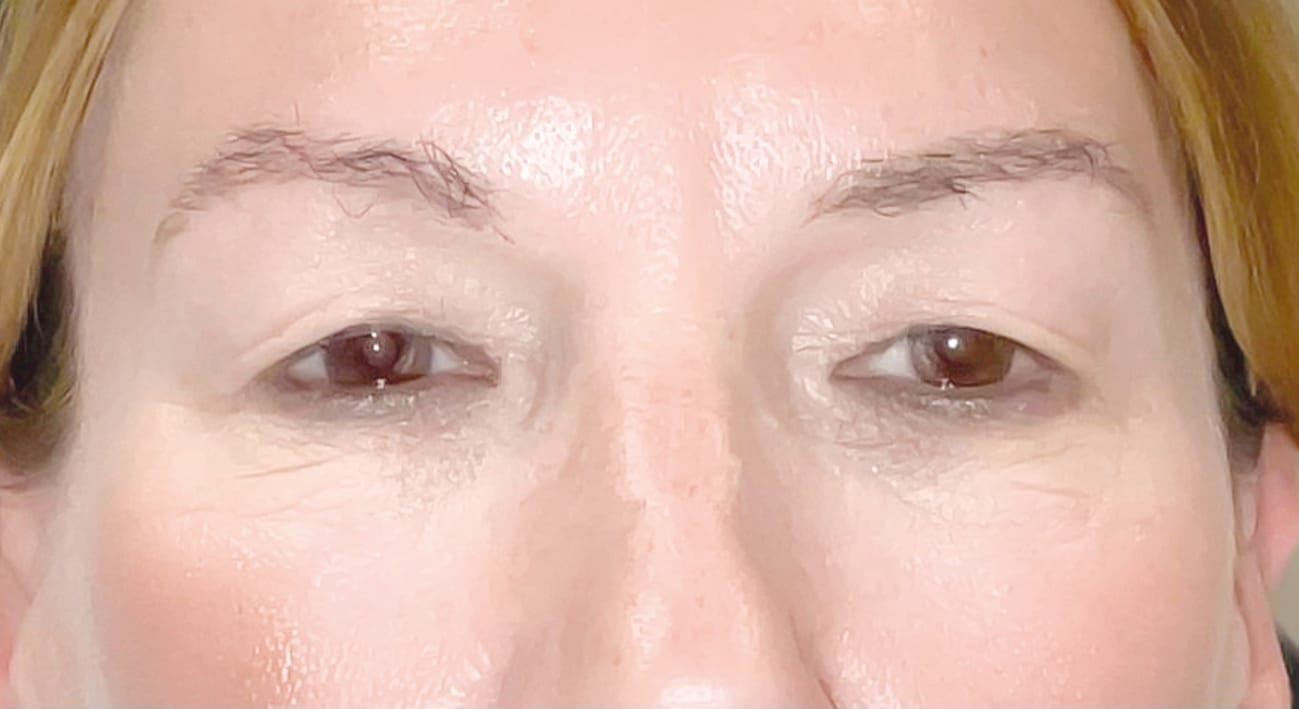
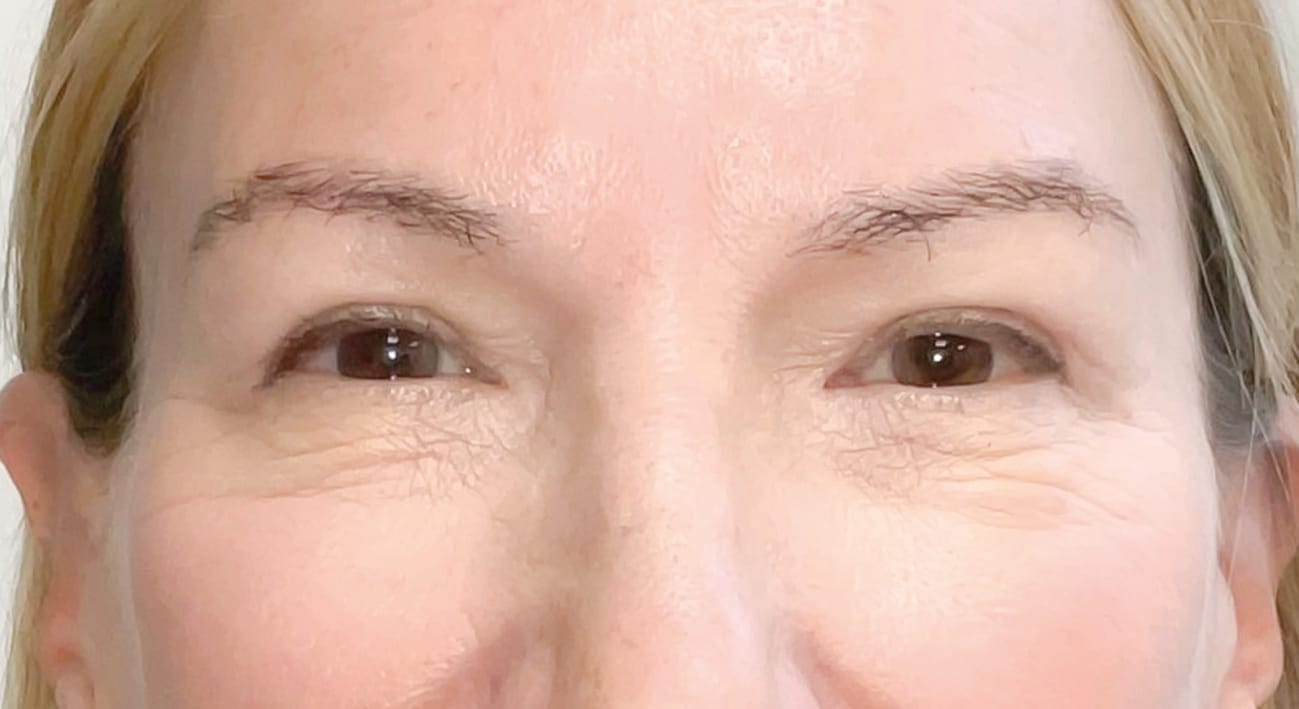


You can view more blepharoplasty before-and-after photographs on our treatment page and discuss relevant examples with your consultant.
When might blepharoplasty not be the right option?
The best treatment depends on what is causing your symptoms. Surgery may need to be postponed, adapted or avoided if your surgeon identifies a risk to your eye health or healing.
Dry eye symptoms, thyroid eye disease, diabetes, previous eyelid surgery and medicines that affect bleeding are particularly important to discuss. Having one of these does not automatically mean you cannot have surgery, but it may change the recommendation. Bring a full medication list and do not stop prescribed medicines without advice from the clinician managing them.
Blepharoplasty also has limits. It will not necessarily remove dark circles, correct a low eyebrow position or treat puffiness caused by another condition. Your surgeon should explain what the proposed operation can reasonably achieve for you. You can also choose not to have surgery.
Do I need blepharoplasty or ptosis surgery?
Excess upper eyelid skin is often called dermatochalasis. Ptosis means that the upper eyelid itself sits too low, commonly because of a change in its lifting muscle or tendon. They can look similar and may occur together.
Blepharoplasty addresses excess eyelid tissue. Ptosis surgery addresses the eyelid lifting mechanism. Your surgeon will assess both the skin and eyelid position, as well as the eyebrows, before recommending treatment.
Learn more about ptosis surgery for drooping eyelids.
If an eyelid droops suddenly, seek an urgent GP or optician appointment or contact NHS 111. Sudden drooping should be urgently medically assessed rather than treated as a routine cosmetic concern.
Choosing the right surgeon: Why oculoplastic expertise matters
Choosing the right surgeon is one of the most important steps when you’re considering eyelid surgery.
While general plastic surgeons also perform cosmetic surgery on upper or lower eyelids, blepharoplasty requires precision, experience and a deep understanding of both eyelid anatomy and function.
What is an oculoplastic surgeon?
Oculoplastic surgeons are ophthalmologists, (eye surgeons), with further specialist training in surgery involving the eyelids, eye socket and production and drainage. Their work includes both cosmetic procedures and functional problems, such as drooping lids that impair vision or eyelids that do not sit correctly against the eye.
This background means that they understand the relationship between eyelid surgery and the health of the eye itself.
Why specialised training matters for you
Specialist oculoplastic training brings:
A detailed understanding of the interactions between eyelid function and eye health.
Experience in managing both the aesthetic and medical aspects of eyelid concerns.
Microsurgical skills suited to the delicate tissues around the eyes.
An oculoplastic assessment considers how your eyelids protect your eyes as well as how they look. Ask about your surgeon’s experience with the procedure you need, the risks that apply to you, and the follow-up care available.
Eyelid expertise at Sapphire Eye Care
Mr Andre Litwin is a Consultant Ophthalmic Surgeon with expertise in eyelid aesthetic surgery, including blepharoplasty. He undertook two fellowships in oculoplastic and orbital disease and holds a consultant post at Queen Victoria Hospital, East Grinstead.
As Andre explains on his Sapphire profile: “I passionately strive to deliver the best personalised care for every one of my patients.”
What happens at a blepharoplasty consultation?
Your consultation is an opportunity to explain what bothers you about your eyelids and discuss whether surgery could help. Your surgeon will review your medical history, examine your eyes and eyelids, and discuss achievable results, risks and aftercare. Clinical photographs may be taken to help with assessment and planning.
Useful questions to ask include:
- Is my concern caused by excess skin, prominent fat, ptosis or eyebrow position?
- Would you recommend upper, lower or combined eyelid surgery?
- How could my eye health or medication affect the treatment plan?
- What recovery time should I allow for my work and lifestyle?
- What is included in the treatment fee and aftercare?
You should have time to consider the advice and ask further questions before deciding whether to proceed.
Watch an upper blepharoplasty procedure at Sapphire Eye Care
If you would like to understand what treatment involves, this video follows a Sapphire Eye Care patient through upper eyelid surgery, from assessment and surgical marking to the operation and the before-and-after result.
The video illustrates one patient’s experience. Your own treatment will be planned around your eyelids, eye health and goals, and may differ from what you see here.
Please note: this video contains footage of a real surgical procedure.
Watch the whole blepharoplasty procedure below
What are the risks of blepharoplasty?
As with any surgery, blepharoplasty carries risks. Bruising and swelling are expected during early recovery. Potential complications include infection, noticeable scarring, asymmetry, dry eyes and difficulty closing the eyelids. Further treatment or surgery may sometimes be needed.
Rare complications include bleeding behind the eye and damage to vision. Your surgeon will explain the risks relevant to your operation and how any complications would be managed.
Understanding these risks helps you weigh the possible benefits against the recovery and potential disadvantages for you personally.
Blepharoplasty recovery and results: What to expect
It’s natural to have questions about your recovery. Most people experience temporary swelling and bruising in the first one to two weeks after blepharoplasty. Many plan around two weeks away from work, depending on their job, the procedure and how they heal. Some bruising or swelling can last longer.
Cold compresses may help reduce swelling, but follow your surgical team’s instructions on how and when to use them. Your surgeon will also explain wound care and when you can resume activities.
The appearance continues to settle after the initial recovery period, and scars may take several months to soften and fade. Everyone heals differently, and your surgeon will give you personalised guidance on what to expect and how best to support your recovery.
For more detailed advice, read our upper blepharoplasty recovery guide or lower blepharoplasty recovery guide.
If you develop severe pain, a sudden change in vision or other concerning symptoms after surgery, seek urgent advice from your surgical team or an emergency eye service.
Common patient FAQs about blepharoplasty
How long do the results last?
Blepharoplasty can provide lasting improvements, but it does not stop the ageing process. The duration of the result varies with your genetic predisposition, your anatomy changes in the surrounding tissues, including your eyebrows. Your surgeon can explain what is realistic in your case.
Does blepharoplasty leave scars?
During blepharoplasty, incisions are carefully placed within the natural upper eyelid crease, just below the lower eyelashes or inside the lower eyelid, depending on the procedure. External scars usually become less noticeable as they heal, although no surgeon can promise invisible scarring.
Is there an ideal age for surgery?
There isn’t an ideal or set age for this type of surgery. What matters most is whether the procedure is appropriate for your individual needs, anatomy and health. A consultation can help determine whether it is the right path for you.
Can I have blepharoplasty if I have dry eyes?
Possibly, but dry eyes need careful assessment because surgery can worsen symptoms. Your surgeon may recommend treating the dryness first, adjusting the surgical plan or avoiding surgery if the risk is too high.
Will blepharoplasty improve my vision?
It may improve your field of vision if excess upper eyelid skin is physically obstructing it. It does not correct a glasses prescription or treat unrelated eye conditions. An examination helps establish the cause of your symptoms.
Can upper and lower blepharoplasty be done together?
In suitable patients, they can be combined. Your surgeon will discuss whether this is appropriate, which anaesthetic is needed and how it affects recovery. The recommendation is made individually.
Will eyelid surgery remove dark circles?
Not necessarily. Dark circles can have several causes, and improving eye bags will not always address discolouration. Read our guide to what blepharoplasty can and cannot fix.
Specialist surgery with Sapphire Eye Care
Blepharoplasty can offer improvements in appearance and function, helping you look more refreshed and, in some cases, improving your field of vision.
As with any surgery, it’s important to approach the decision with research and thought, to understand the risks, recovery process and outcome you want to achieve. Choosing a surgeon with appropriate training and experience is an important part of that decision.
At Sapphire Eye Care, we believe in providing honest advice and specialist care tailored to each patient. If you’re considering blepharoplasty, we invite you to arrange a personalised consultation with one of our specialists, who will guide you through your options and discuss realistic results.
Explore blepharoplasty at Sapphire Eye Care or get in touch with our team to discuss your options.

Medically reviewed by Andrew Luff
Consultant Ophthalmic Surgeon.
Medically Reviewed, October 2026
Arrange A Free Callback